
Introduction

Unstable pellet output, frequent machine blockages, broken pellets and soaring energy costs are the most common headaches for biomass pellet plant operators. More than 60% of small pellet factories suffer continuous downtime due to mismatched wood crushers and dryers, rather than faulty pellet mills. Crushing and drying form the core pre-treatment chain; inconsistent particle size or unregulated moisture will collapse the whole production line. This article breaks down scientific matching rules, parameter standards, common mismatching faults and practical configuration cases to help you achieve continuous, low-cost and stable biomass pellet manufacturing.
1. Core Production Logic: Why Crusher & Dryer Must Be Perfectly Matched
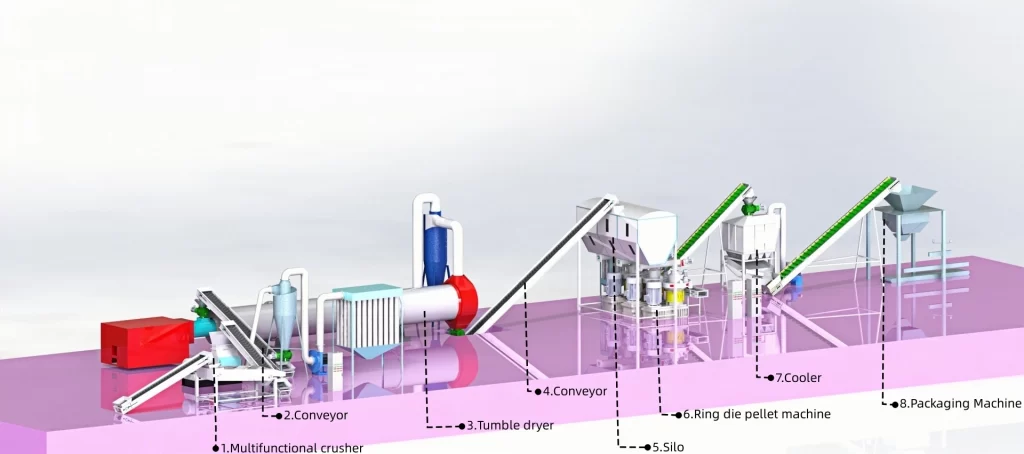
The whole pre-treatment flow follows a fixed sequence: raw wood → wood crusher → conveyor → rotary dryer → temporary silo → pellet mill. The two machines are tightly linked by two core indicators: hourly throughput capacity and material physical state (particle size + inlet moisture).
1.1 Particle size determines drying efficiency
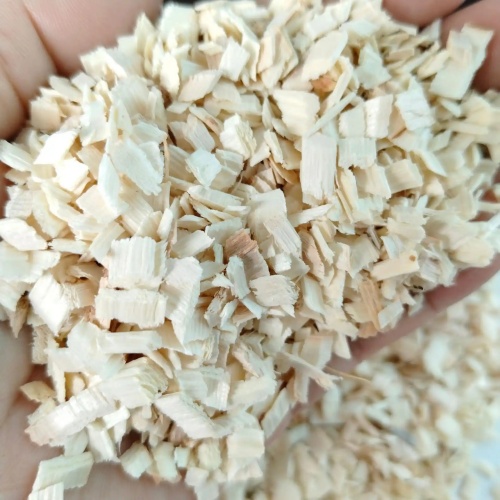
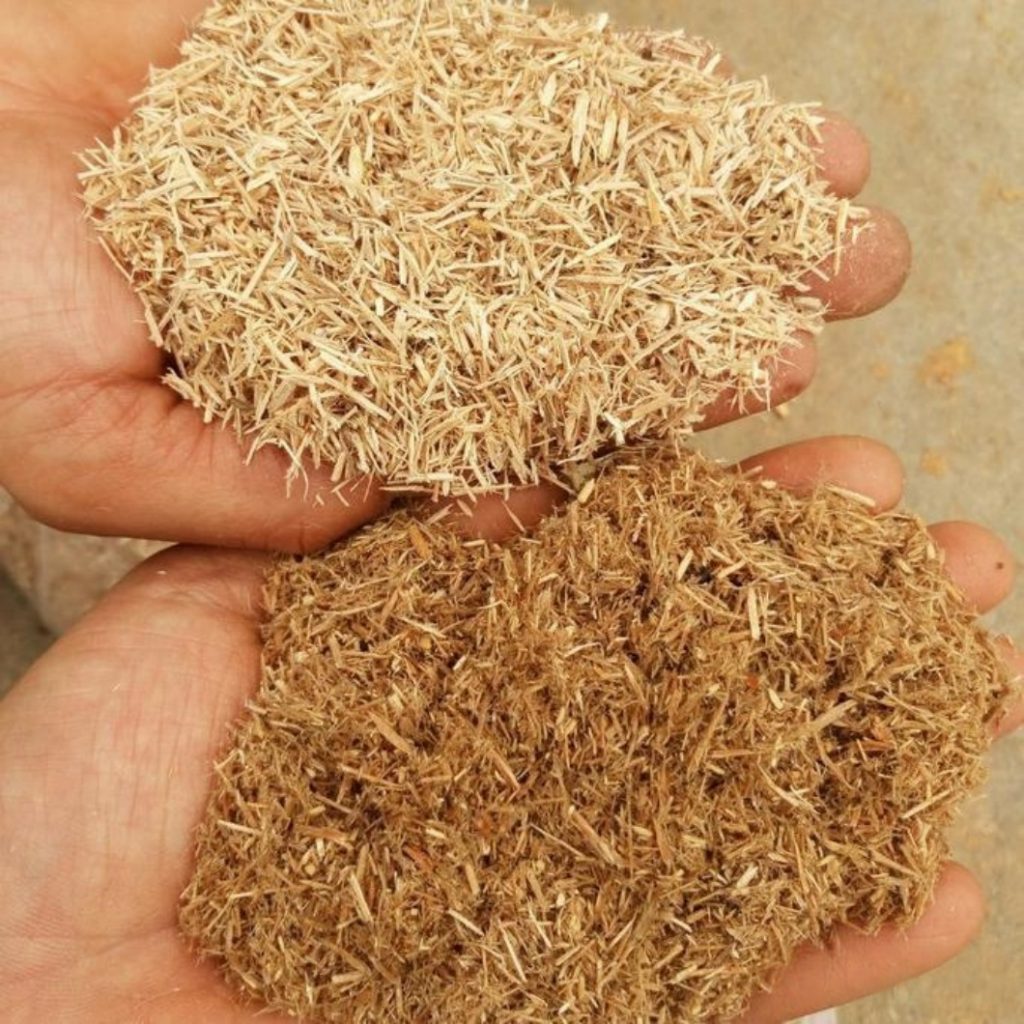
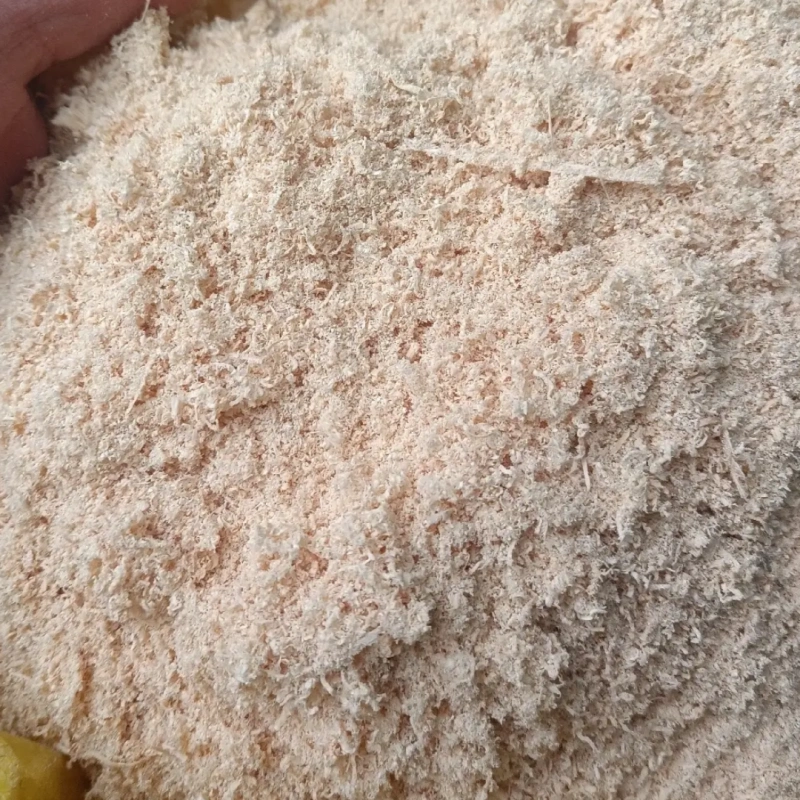
Standard particle size for pelletizing: 1–3 mm uniform fine wood powder.
- If the crusher outputs oversized wood chips (>5 mm): Hot air cannot penetrate thick fragments inside the dryer. Internal moisture remains high while the surface dries fast, creating uneven moisture distribution. Pellets crack easily after extrusion.
- If the crusher produces excessive ultra-fine dust (<1 mm): Dust clings to dryer walls, causes material agglomeration, blocks exhaust ducts and raises fire risks of biomass dust combustion.
- Only uniform 1–3 mm particles realize full contact with hot air inside the dryer, cutting drying energy consumption by 15–20% and stabilizing final moisture at 10–15% (the golden range for high-quality pellets).
1.2 Throughput balance guarantees zero line downtime
If the crusher’s hourly output exceeds the dryer’s processing limit: Wet crushed wood accumulates at the dryer feed inlet, leading to conveyor overload, material rot and spontaneous combustion risk for piled high-moisture biomass.
If the dryer capacity is much larger than the crusher’s output: The dryer runs under low load, hot air waste surges, fuel consumption rises sharply, and temperature control becomes unstable, resulting in over-dried material (moisture below 8%). Over-dried wood lacks natural lignin binders, causing low pellet density and high fine powder waste rate.
1.3 Raw initial moisture is the precondition for matching model selection
Fresh logs, branches and forest waste carry 30–50% natural moisture; construction wood scraps hold 20–35% moisture. The dryer’s heating load must be calculated based on the crusher’s wet material throughput, instead of simply matching nominal dry output.
2. 4 Core Matching Standards for Crusher & Dryer
Standard 1: Hourly Throughput Matching Principle
The wet material processing capacity of the dryer shall be 10–15% higher than the crusher’s rated output, leaving buffer space for raw material moisture fluctuation and temporary feeding surges.
Calculation formula:
Dryer wet handling capacity ≥ Crusher rated output × 1.1~1.15
Practical Example
A 2 t/h hammer wood crusher (rated output under 35% moisture raw wood).
Minimum supporting dryer wet capacity = 2 × 1.1 = 2.2 t/h; a 2.2–2.5 t/h triple-pass rotary dryer is the ideal match.
Standard 2: Particle Size Matching (Crusher Screen Hole Configuration)
- Softwood, sawmill residues: 2–3 mm screen mesh on hammer crushers; output uniform fine powder for single-pass rotary dryers.
- Hardwood, thick branches: 3 mm screen mesh; slightly thicker particles require triple-pass dryers with extended hot air retention time.
- Prohibited operation: Mixing different screen sizes to produce mixed coarse/fine chips, which destroys drying uniformity. Add a vibrating sieve after the crusher to recycle oversized fragments back into the crusher, avoiding uneven particles entering the dryer directly.
Standard 3: Moisture Removal Load Matching
Target outlet moisture for pellet feedstock: 10–15% (12–14% for export premium pellets conforming to ISO 17225 standards).
- Raw moisture 30–40%: Triple-pass three-layer dryer is mandatory, with high heat exchange efficiency.
- Raw moisture below 25%: Single-pass rotary dryer works well to save investment. The dryer’s heating furnace power, exhaust fan air volume and drum rotating speed must be calibrated according to the crusher’s continuous wet material feeding volume.
Standard 4: Auxiliary Conveying & Silo Buffer Matching
- Screw conveyors between crusher and dryer must cover the full peak throughput of the crusher.
- A small buffer silo (5–10 minutes storage capacity of crusher output) shall be installed between crusher discharge and dryer feed inlet, balancing instantaneous flow fluctuations and avoiding empty/overloaded dryer operation.
- Equip magnetic separators before the crusher to remove metal impurities; hard metal fragments damage crusher hammers and create sparks inside high-temperature dryers, triggering safety hazards.
3. Typical Mismatch Faults & Corresponding Solutions
Fault 1: Dryer always clogs, material sticks to drum walls
Mismatch root cause: Crusher screen hole too large, oversized chips enter the dryer; or dryer capacity is lower than crusher output, wet material accumulates and agglomerates.
Solutions:
- Replace crusher screen with 1–3 mm mesh, install post-crusher vibrating sieve.
- Upgrade dryer to a model with 10% higher wet throughput or reduce crusher feeding speed via variable frequency drive.
- Clean dryer lifting boards regularly to prevent residual material buildup.
Fault 2: Final moisture fluctuates wildly (8%–20%)
Mismatch root cause: Dryer nominal capacity far exceeds crusher output, unstable hot air temperature under low load.
Solutions:
- Adjust the buffer silo to maintain continuous full feeding of the dryer.
- Adopt PLC linkage control: Automatically adjust dryer furnace fire power and drum speed based on real-time crusher feeding weight.
- Match the dryer’s exhaust fan frequency with crusher throughput synchronously.
Fault 3: High fine powder rate, low pellet yield
Mismatch root cause: Crusher produces excessive ultra-fine dust, which is over-dried inside the dryer.
Solutions:
- Increase crusher screen hole size moderately to reduce micro dust generation.
- Lower dryer inlet hot air temperature by 20–30℃ for fine powder materials.
Fault 4: High fuel consumption, low production profit
Mismatch root cause: Dryer oversized, long-term low-load operation with massive hot air loss; or particle size uneven extending required drying time.
Solutions:
- Follow the 10–15% buffer capacity matching rule instead of over-buying large dryers blindly.
- Standardize crusher screen size to unify particle fineness and cut drying energy loss.
4. 3 Complete Matching Configuration Cases (For Reference)
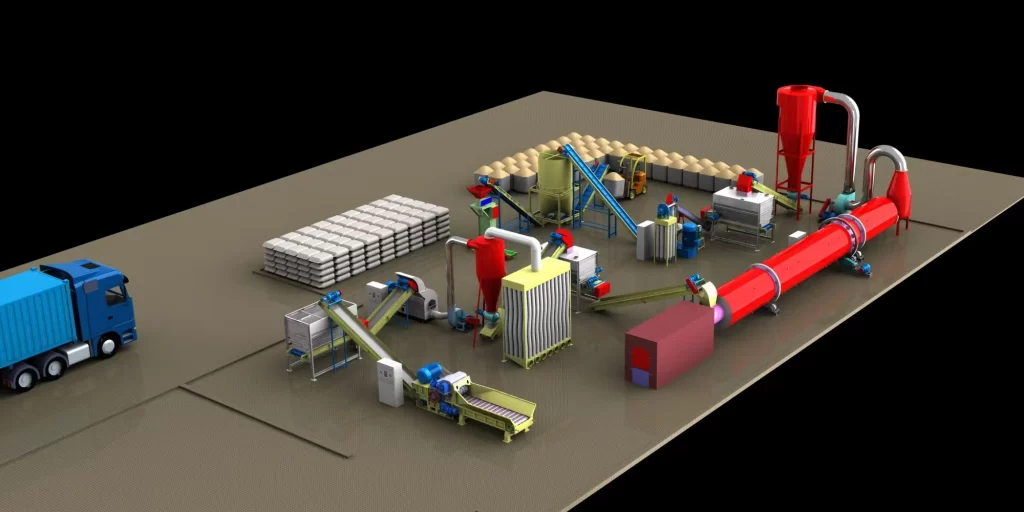
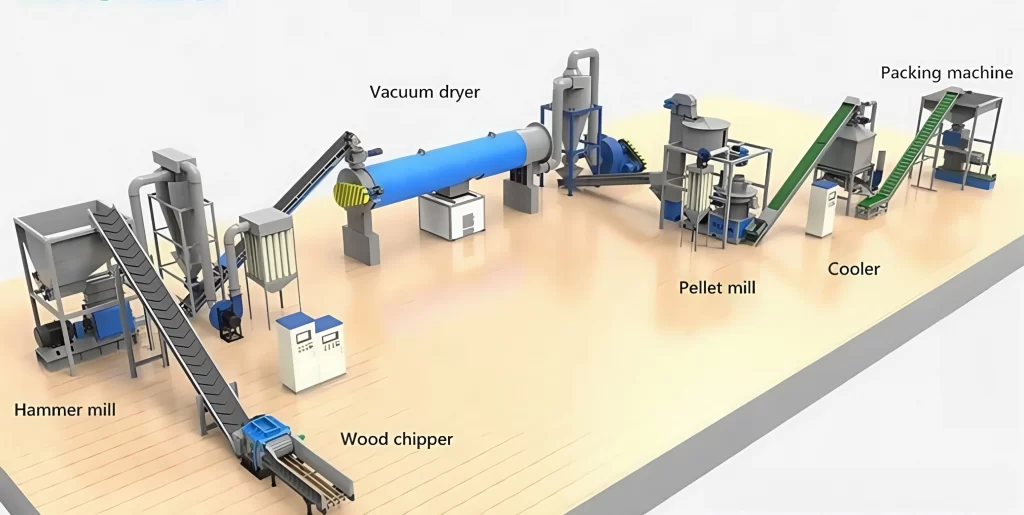
Case 1: Small 1–2 t/h Household Pellet Line (Raw Material: Sawdust, Branches, Moisture 30–38%)
- Wood Crusher: 1.8 t/h hammer mill, 2.5 mm screen
- Matching Dryer: 2.0–2.2 t/h triple-pass rotary dryer (wet material capacity)
- Supporting Buffer Silo: 1.5 m³ small silo
- Effect: Stable outlet moisture 12–14%, continuous daily production over 16 hours, blockage rate below 1%.
Case 2: Medium 3–5 t/h Commercial Pellet Plant (Raw Material: Hardwood Logs, Construction Wood, Moisture 35–45%)
- Wood Crusher: 5 t/h comprehensive wood shredder + secondary hammer fine crusher, 3 mm screen
- Matching Dryer: 5.5–6 t/h three-layer triple-pass dryer with biomass hot air furnace
- Linkage Control: PLC automatic feeding & moisture detection linkage system
- Effect: Adapt to large moisture fluctuation of raw hardwood, pellet forming rate higher than 95%.
Case 3: Large 8–10 t/h Industrial Export Pellet Line
- Wood Crusher: Two sets of 5 t/h hammer crushers running in parallel, unified 2 mm screen
- Matching Dryer: Single 11–12 t/h high-efficiency triple-pass dryer
- Auxiliary System: Dual buffer silos, online moisture sensors at dryer inlet & outlet
- Effect: Stable ISO standard premium pellets for EU export, 24-hour non-stop operation.
5. Intelligent Linkage Matching: Advanced Operation Tips
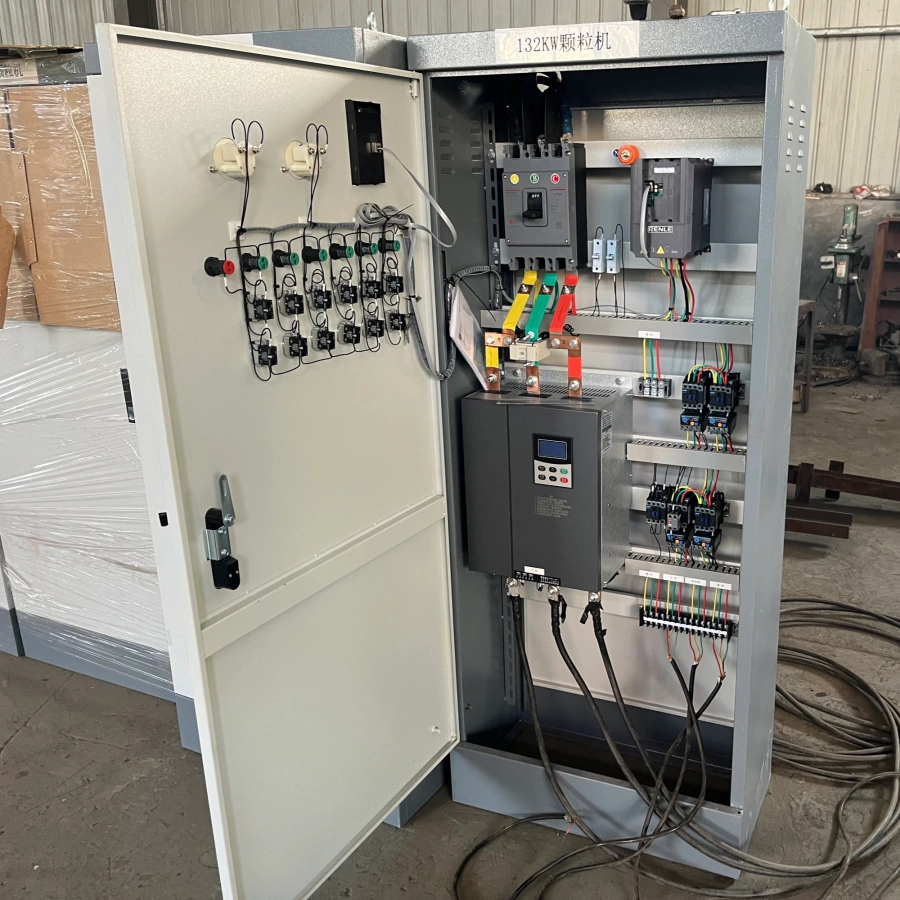
Modern stable production lines adopt integrated PLC control to realize automatic matching between crushers and dryers without manual adjustment:
- Weight sensors at the crusher discharge measure real-time wet material throughput.
- Signals transmit to the dryer control cabinet to synchronously adjust furnace combustion power, drum rotation speed and exhaust fan air volume.
- Online moisture detectors at dryer outlet feed back data to the crusher feeding conveyor, automatically speed up or slow down feeding to lock moisture at 12–14%.
- Safety interlock: If the dryer blocks or temperature exceeds the limit, the crusher feeding system pauses instantly to avoid material accumulation risks.
6. Conclusion
Stable biomass pellet production fundamentally relies on scientific matching of wood crushers and dryers, rather than only investing in high-end pellet mills. The three key matching dimensions to remember are:
- Throughput: Dryer wet capacity 10–15% higher than crusher rated output.
- Particle size: Crusher screen controlled at 1–3 mm with post-crusher sieving.
- Moisture load: Select single/triple-pass dryers according to raw wood initial moisture.
Reasonable matching eliminates blockages, stabilizes pellet quality, cuts fuel and maintenance costs, and extends the whole line’s continuous operation time. When customizing your biomass pellet production line, provide your raw material type, average initial moisture and target hourly output to machinery suppliers for accurate crusher-dryer matching schemes, avoiding costly later equipment replacement caused by mismatching.