
Cost-Effective RDF Briquetting Line For Municipal Solid Waste Recycling Plant
As waste disposal regulations become stricter globally, municipal solid waste (MSW) recycling plants are facing higher pressure to cut landfill volumes and boost resource recovery. Conventional waste treatment methods, such as direct landfill and incineration without preprocessing, bring heavy operating costs and environmental risks. A mature RDF briquetting line offers a practical solution to convert combustible waste fractions into standardized refuse-derived fuel briquettes.
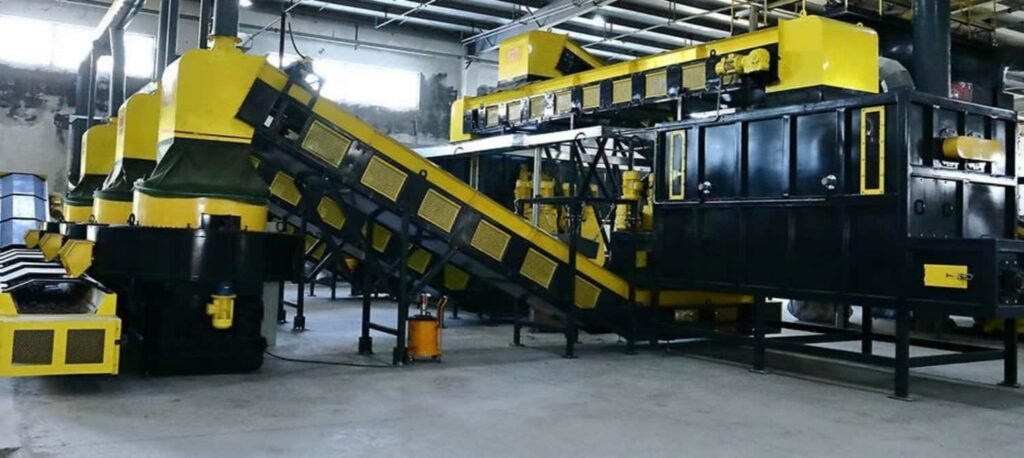
What Is An RDF Briquetting Line?
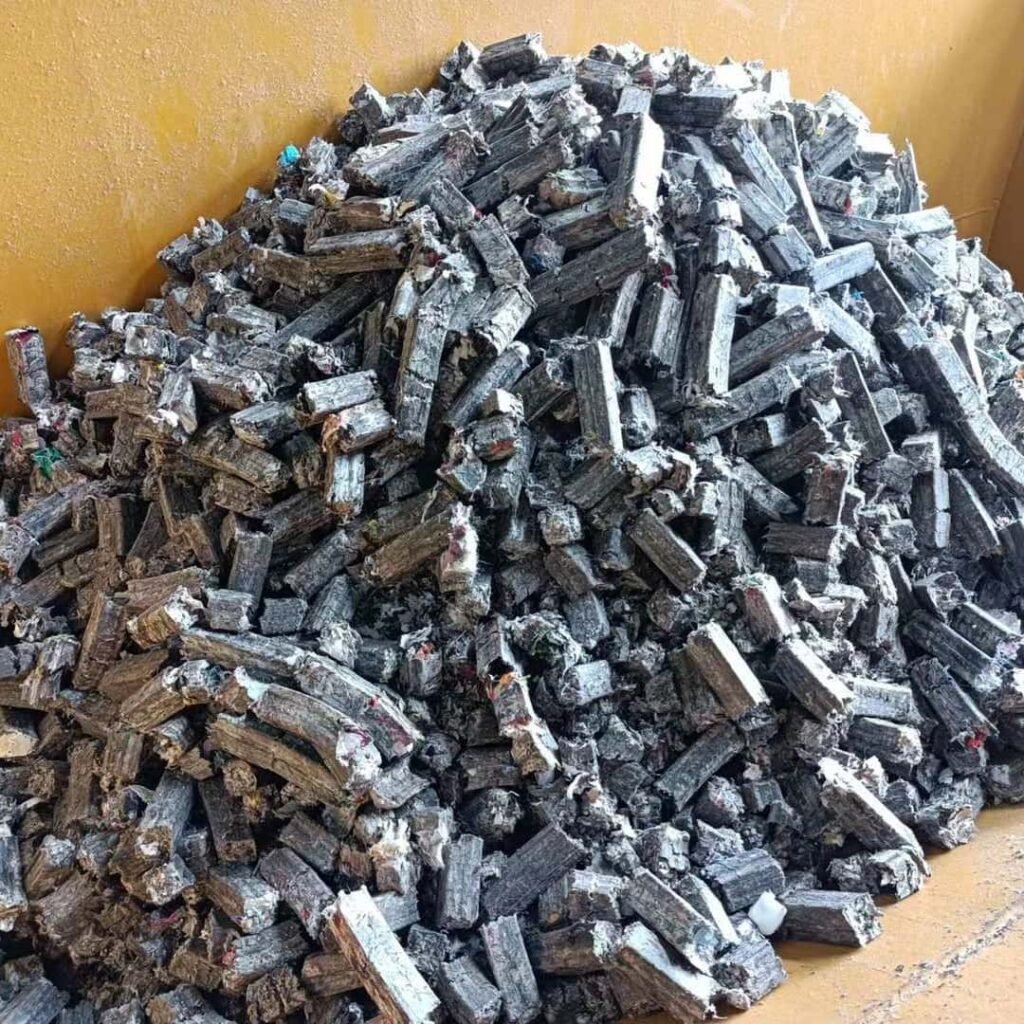
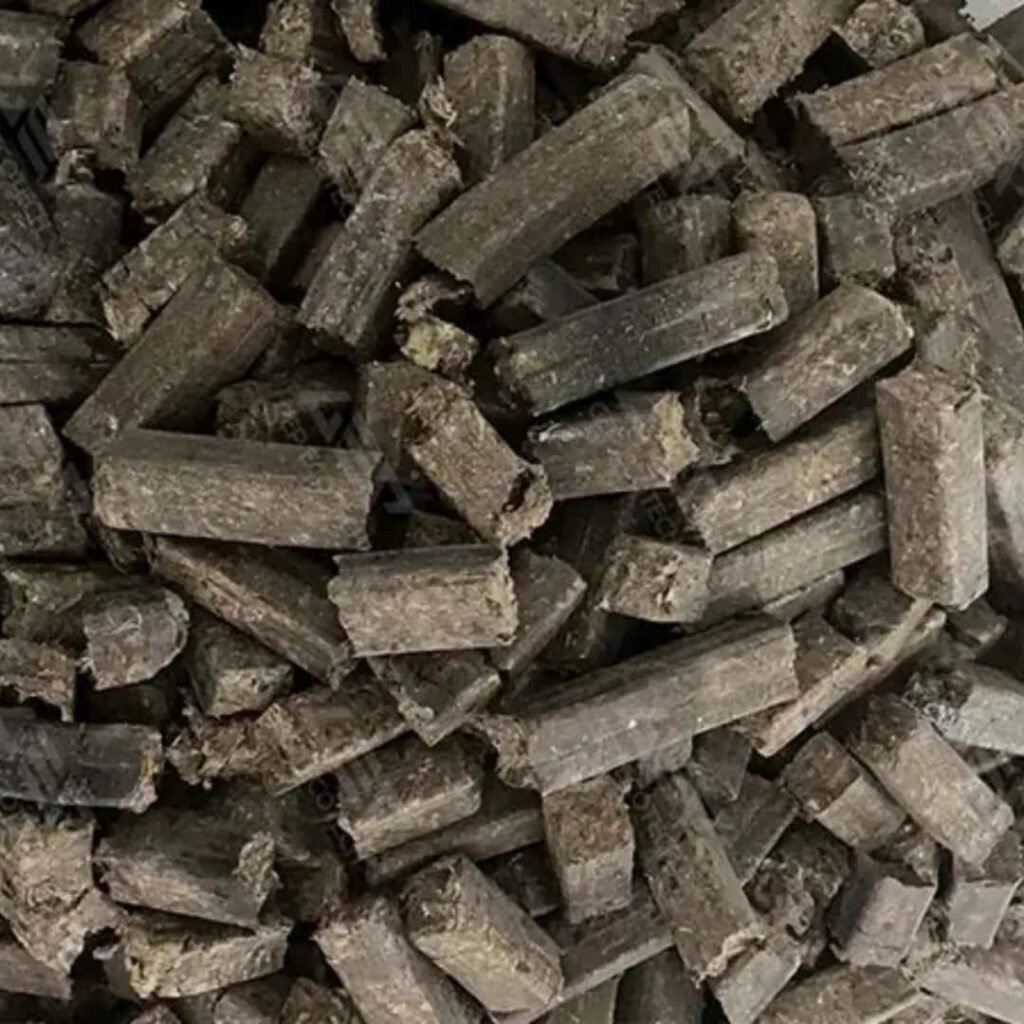
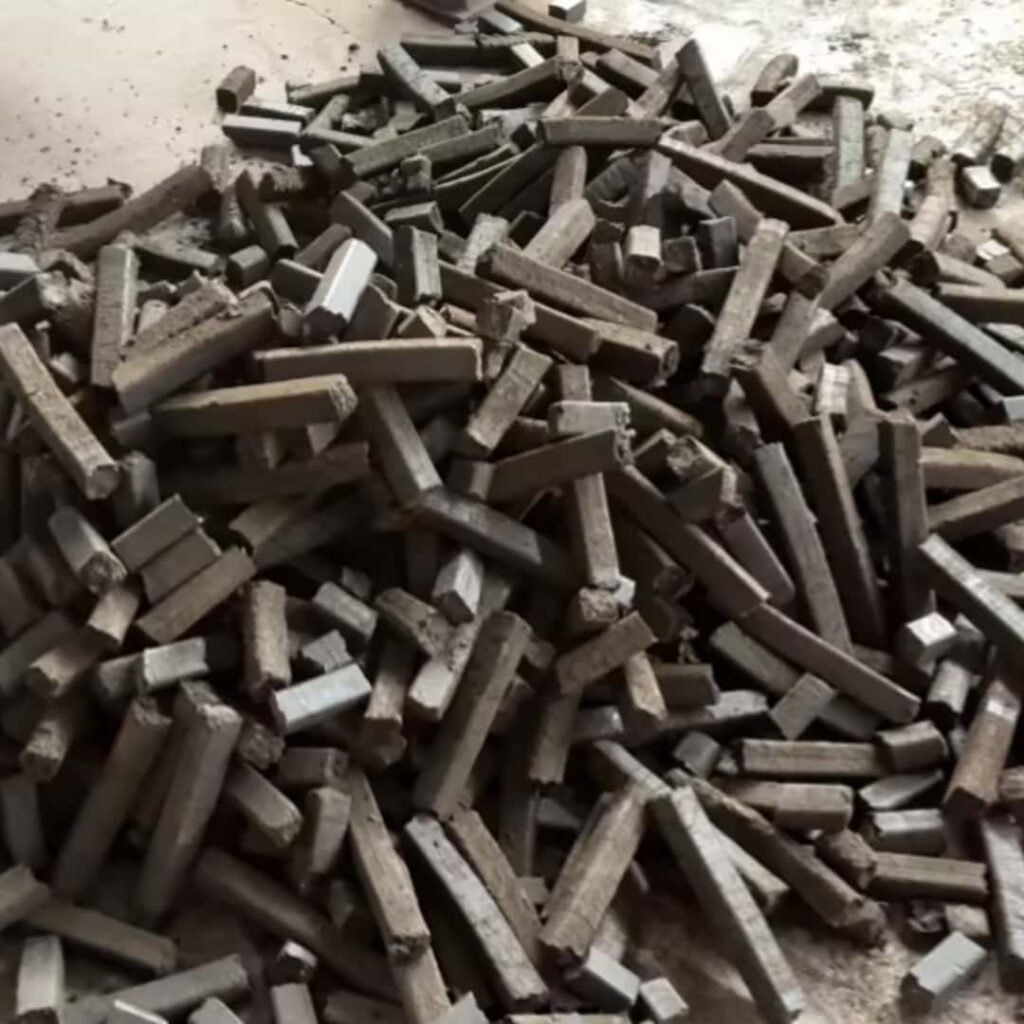
RDF stands for Refuse Derived Fuel. This production line processes combustible components separated from municipal solid waste, including waste plastic, paper, textile, wood scraps and organic waste. After shredding, drying, homogenizing and high-pressure briquetting, loose scattered waste materials are compressed into solid fuel blocks.
These RDF briquettes feature stable calorific value, low moisture and convenient transportation and storage. They can be supplied to cement kilns, thermal power plants and industrial boilers as alternative fossil fuels.
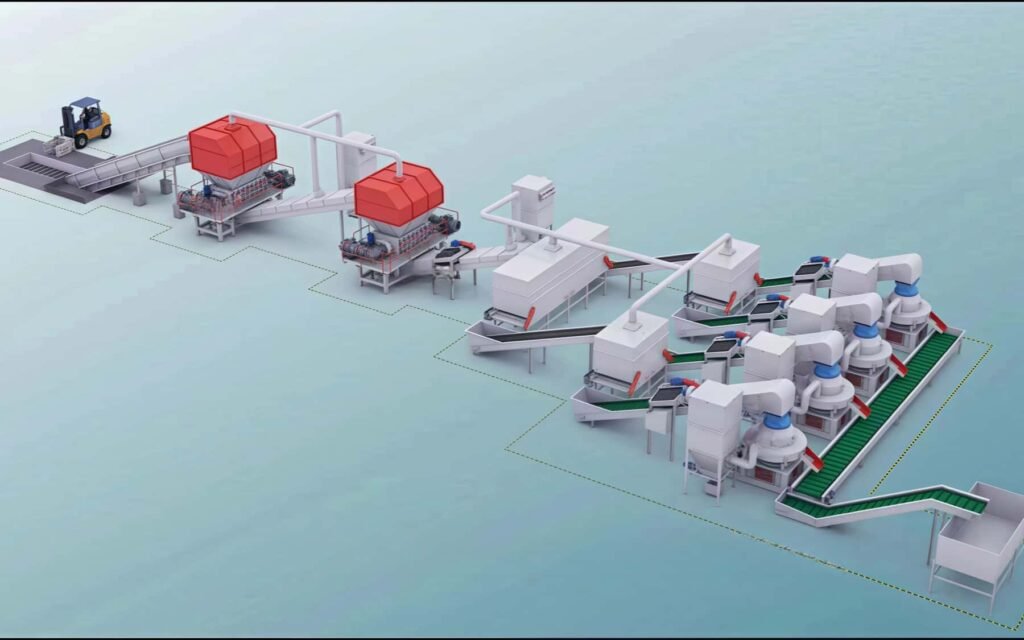
Core Equipment Composition of Complete RDF Briquetting Line
A cost-effective RDF production line does not pursue overly complicated configuration. We tailor the equipment combination according to the actual waste characteristics of each recycling plant. The standard workflow covers these core machines:
- Primary Shredder: Break large mixed municipal waste into uniform small pieces;
- Magnetic Separator: Remove metal impurities to protect subsequent briquetting machines;
- Secondary Fine Shredder: Further reduce material particle size to meet briquetting requirements;
- Rotary Dryer: Control material moisture within the ideal range for stable briquetting;
- Briquette Press Machine: High-pressure forming to produce dense RDF fuel blocks;
- Conveying & Auxiliary Equipment: Feed, transfer and finished product collection.
Key Advantages of Our Cost-Effective RDF Briquetting Solution
1. Lower Comprehensive Operating Cost
Our briquetting machine adopts reinforced roller shell and stable transmission structure, lowering wear part replacement frequency. The whole line is designed to save power consumption, helping waste plants improve profit margins of RDF fuel sales.
2. Strong Material Adaptability
The line can handle mixed combustible waste from daily municipal waste. It tolerates fluctuations in raw material composition, which fits the working conditions of most urban waste recycling facilities.
3. Flexible Capacity Customization
We supply modular production lines ranging from 1 ton/h to 15 tons/h. Small and medium-sized waste recycling stations can start with low-investment units, and expand production scale later according to business growth.
4. Simple Operation & Easy Maintenance
The system adopts centralized control. Only a small number of operators are required for daily running. Wear parts are universal and easy to source locally, reducing long-term maintenance downtime.
How To Choose A Suitable RDF Briquetting Line
Many waste recycling plant operators make mistakes when purchasing equipment. Here are critical factors you need to confirm before investment:
- Raw waste composition and average moisture content;
- Target hourly processing capacity;
- Available factory space and power supply condition;
- Final usage and sales channels of RDF briquettes.
We provide free process layout design based on your on-site conditions to avoid overinvestment on redundant equipment.
Conclusion
For municipal solid waste recycling plants, building an RDF briquetting production line turns waste into tradable fuel products. It reduces landfill charges and creates new revenue streams. If you are looking for economical, reliable RDF briquetting equipment, contact us to get customized layout and quotation.