Airflow Dryer Low Energy Consumption for Sawdust & Wood Shavings Drying
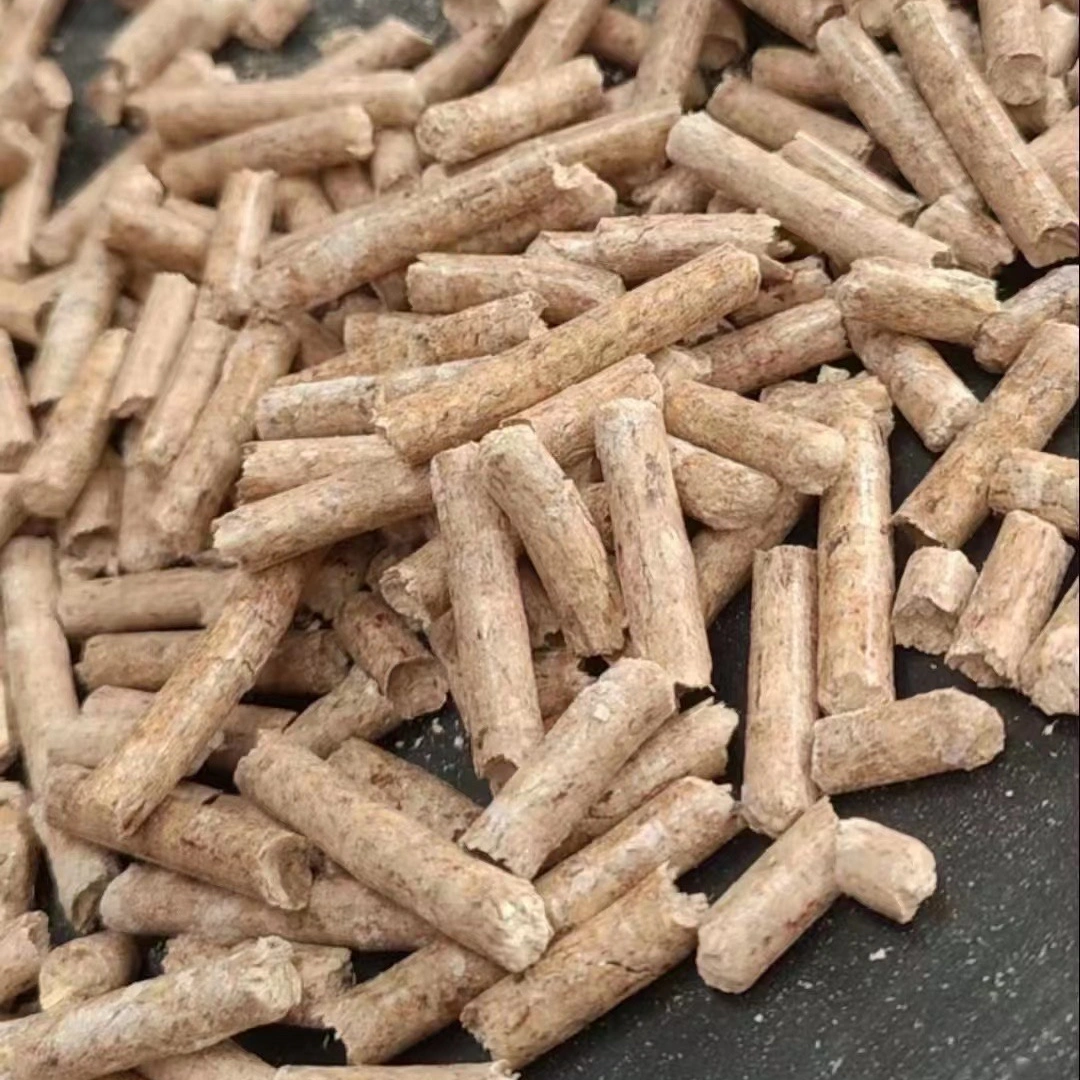
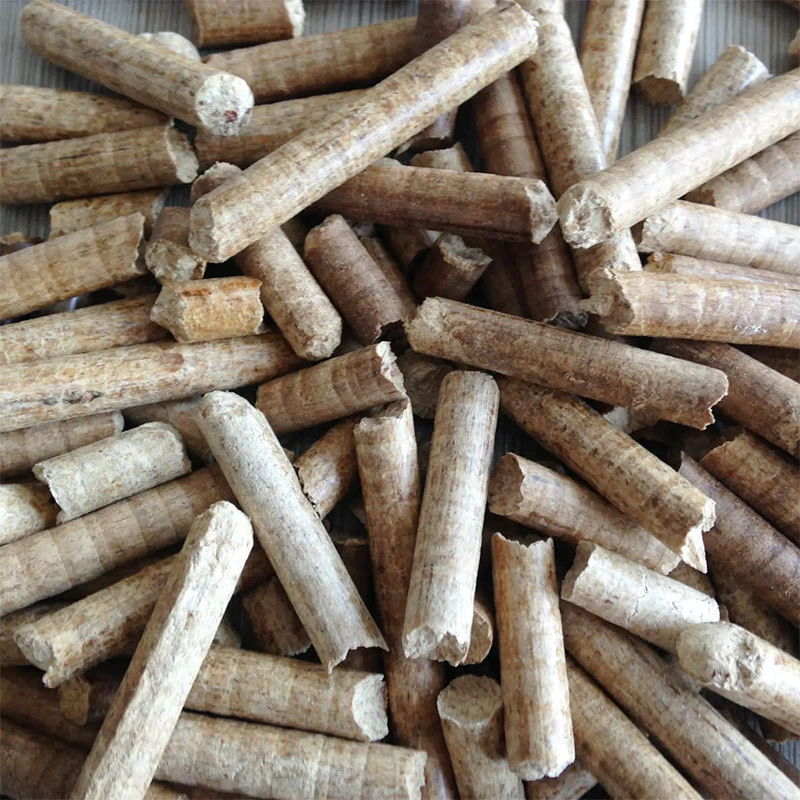
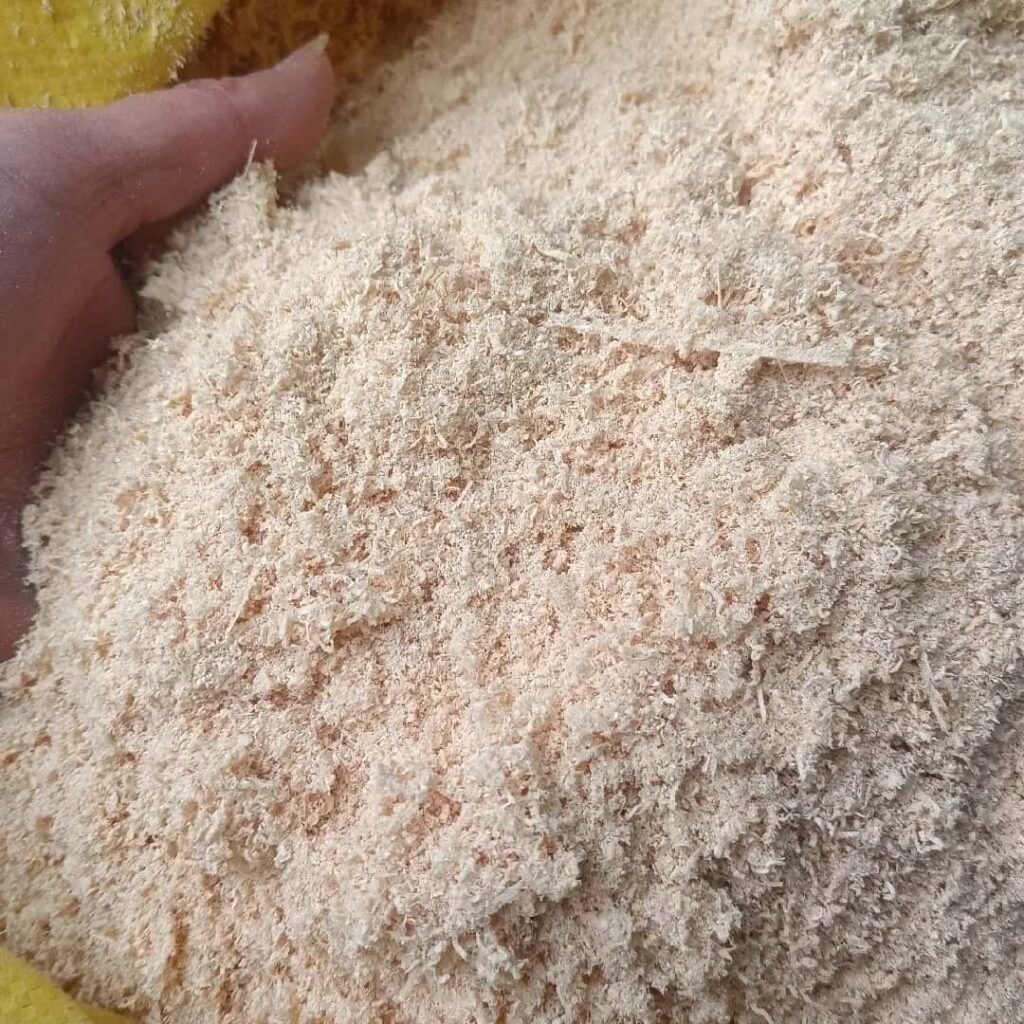
When producing biomass pellets, briquettes or charcoal briquettes, raw‑material moisture is one of the biggest obstacles to stable output. Sawdust and wood shavings collected from sawmills usually carry high moisture content. If you feed wet material directly into pellet mills, you will face unqualified pellet hardness, crack problems, low finished‑product rate and frequent equipment blockage. An energy‑saving airflow dryer becomes essential in this situation.
What Is an Airflow Dryer
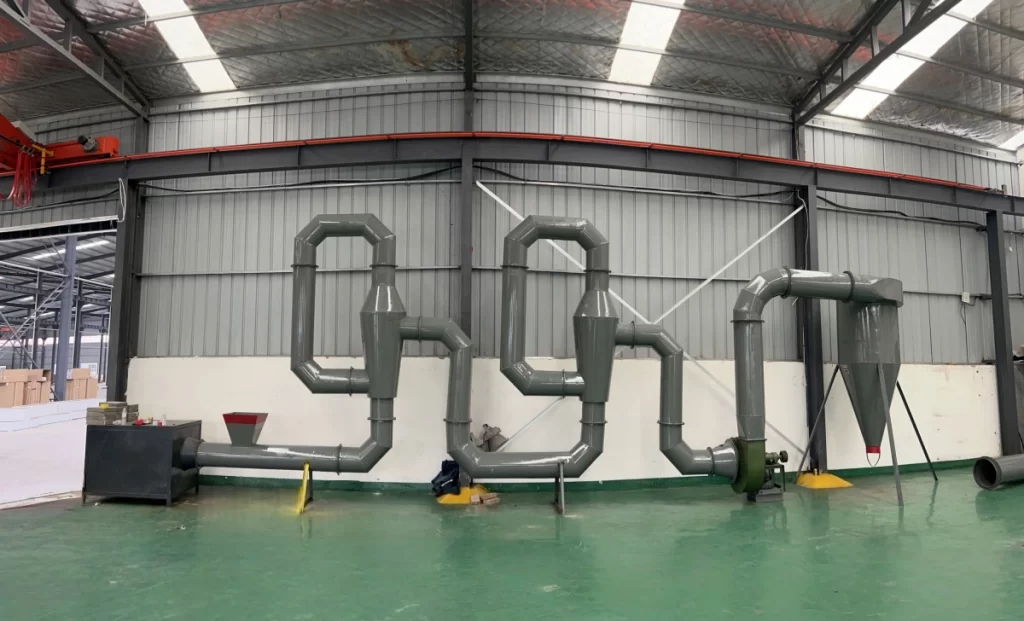
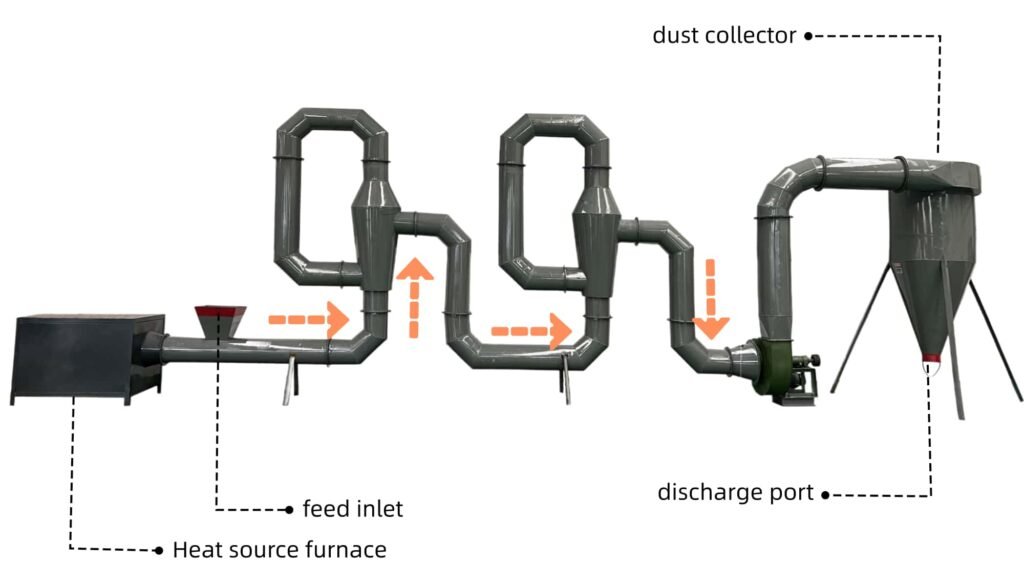
Airflow dryer, also known as pipe type flash dryer, belongs to indirect high‑speed drying equipment. It mainly uses high‑temperature hot air flow to wrap and transport wet sawdust and wood shavings. In the short‑distance pipeline, heat exchange is fully completed, surface moisture of wood material evaporates rapidly, so materials reach the ideal moisture index before entering pellet making equipment.
Different from rotary drum dryer, airflow dryer does not rely on large rotating cylinder. Its main body is composed of hot‑blast furnace, feeding hopper, drying pipelines and cyclone discharge separator. The whole set occupies small floor space, which fits small‑to‑medium‑scale biomass processing workshops well.
Core Advantage: Low Energy Consumption for Sawdust & Wood Shavings
Many customers worry that drying wood raw materials will cause huge fuel cost. A well‑matched airflow dryer can effectively control energy loss.
- Fast heat exchange: Wet sawdust contacts hot air fully in pipeline, drying finishes within seconds. Less heat wastes on idle heating.
- Heat recycling design: Partial waste hot air can be reused for heating, reducing extra fuel consumption.
- Flexible fuel option: It can burn wood scraps, waste branches and coal. You can make use of your own waste wood as fuel to cut operating expenses greatly.
- Small power configuration: Compared with large rotary dryer of same processing capacity, airflow dryer needs lower supporting motor power.
For sawdust and wood shavings with initial moisture 45‑55%, this dryer can lower moisture down to 12‑18%, which is the perfect moisture range for biomass pellet production.

Key Points for Matching With Biomass Production Line
Airflow dryer is not universal for all raw materials. It performs best for light, fragmentary material: sawdust, wood shavings, small wood chips. It is NOT suitable for big wood blocks or high‑viscosity wet sludge.
Important matching tips:
- Confirm raw material size: Oversized wood chips should go through crusher first before entering airflow dryer. Large pieces cannot get fully dried in short pipeline.
- Match hot‑blast furnace capacity: Do not pursuit over‑large model blindly. Excess heating capacity brings extra energy waste.
- Cooperate with cyclone separator: Good cyclone separator can separate dry material and exhaust gas, avoid material loss.
- Connect with subsequent pellet mill: Dried material can be transported directly into pellet mill by screw conveyor, realize continuous automatic production.
Common Troubleshooting
- Material still wet after drying:Check hot‑blast furnace temperature; check whether feeding volume is too heavy.
- Pipeline blockage:Raw material contains large impurities, install screening device before feeding.
- High fuel consumption:Check pipeline sealing, air leakage will cause serious energy waste.
Conclusion
If your main raw materials are sawdust and wood shavings, low‑energy‑consumption airflow dryer is a cost‑effective drying solution. It takes little site space, fast drying speed and allows reusing waste wood as fuel. When reasonably matched with crusher and pellet mill, it helps you get stable‑quality biomass pellets and lower overall production cost.