
Meta Description: Learn how a professional ring die biomass pellet mill can significantly improve pellet hardness, density, and durability. Discover key factors, operation tips, and maintenance best practices for producing high-quality biomass pellets.
Introduction
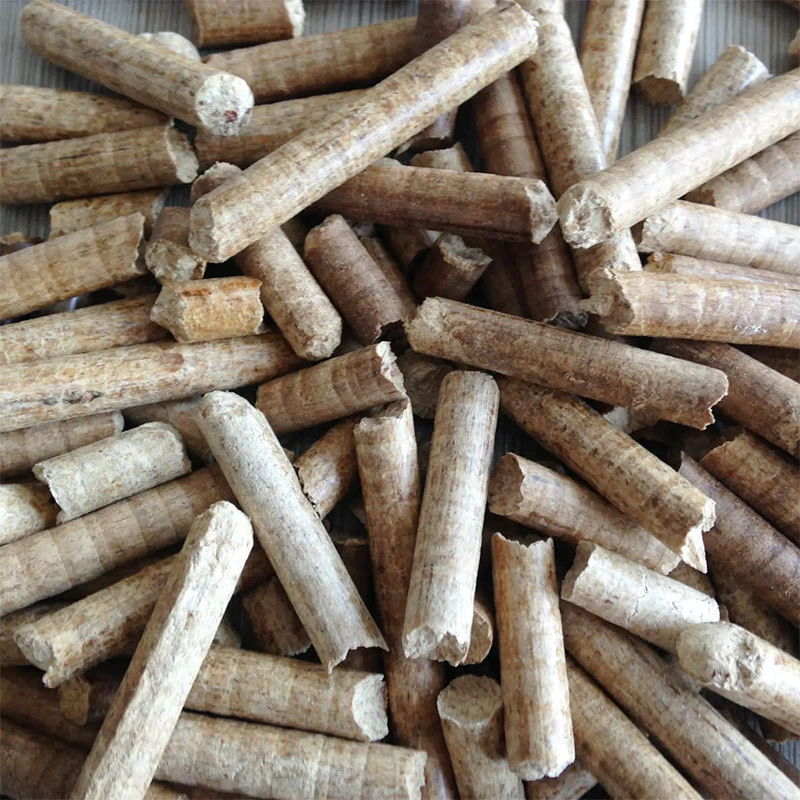
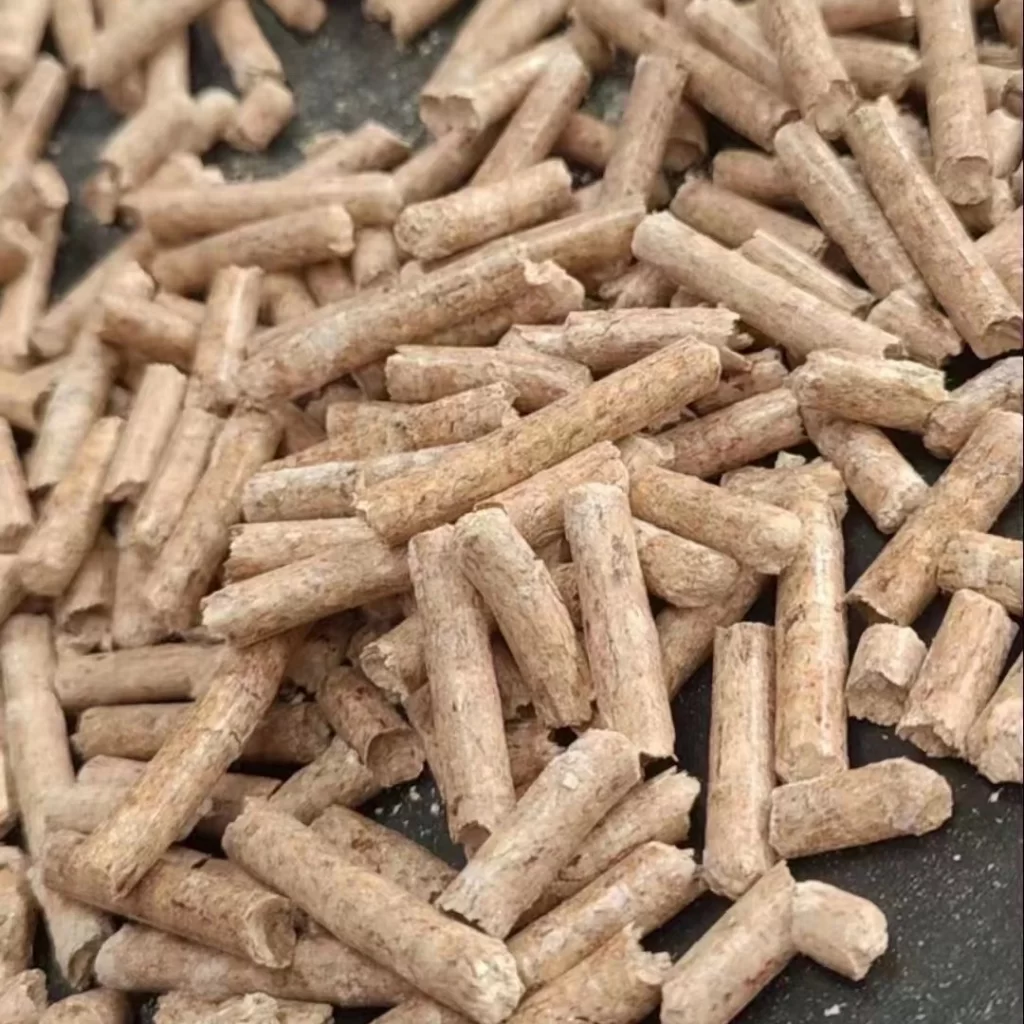
Biomass pellet hardness is one of the most critical quality indicators for both fuel pellets and animal feed pellets. Hard pellets burn more efficiently, produce less dust, transport better, and command higher prices in the market. If your pellets are too soft, crumbly, or break easily during handling, the problem often lies in your pellet mill type and how you operate it.
Among all pellet mill designs, the ring die biomass pellet mill is widely recognized as the best choice for producing hard, dense, high-quality pellets. This article explains why ring die mills produce harder pellets and how you can optimize your operation to maximize pellet hardness.
Why Pellet Hardness Matters
Before diving into solutions, it is important to understand why pellet hardness is so important:
- Better combustion performance: Hard, dense pellets burn longer and more consistently, delivering more heat per unit volume.
- Lower dust and fines: Soft pellets break apart easily, creating dust that reduces fuel efficiency and creates handling problems.
- Lower transportation cost: Dense pellets take up less space and weigh more per container, reducing per-ton shipping costs.
- Higher market value: Premium-grade hard pellets sell at a higher price and are preferred by commercial buyers and power plants.
- Longer storage life: Hard pellets absorb less moisture and maintain their shape better during long-term storage.
Industry standards typically require biomass fuel pellets to have a durability rating of 95% or higher, meaning less than 5% of pellets break apart during standard tumble testing. Achieving this level starts with choosing the right equipment.
Why Ring Die Mills Produce Harder Pellets
The ring die design offers several structural advantages that directly translate into harder pellets:
1. Higher Compression Pressure
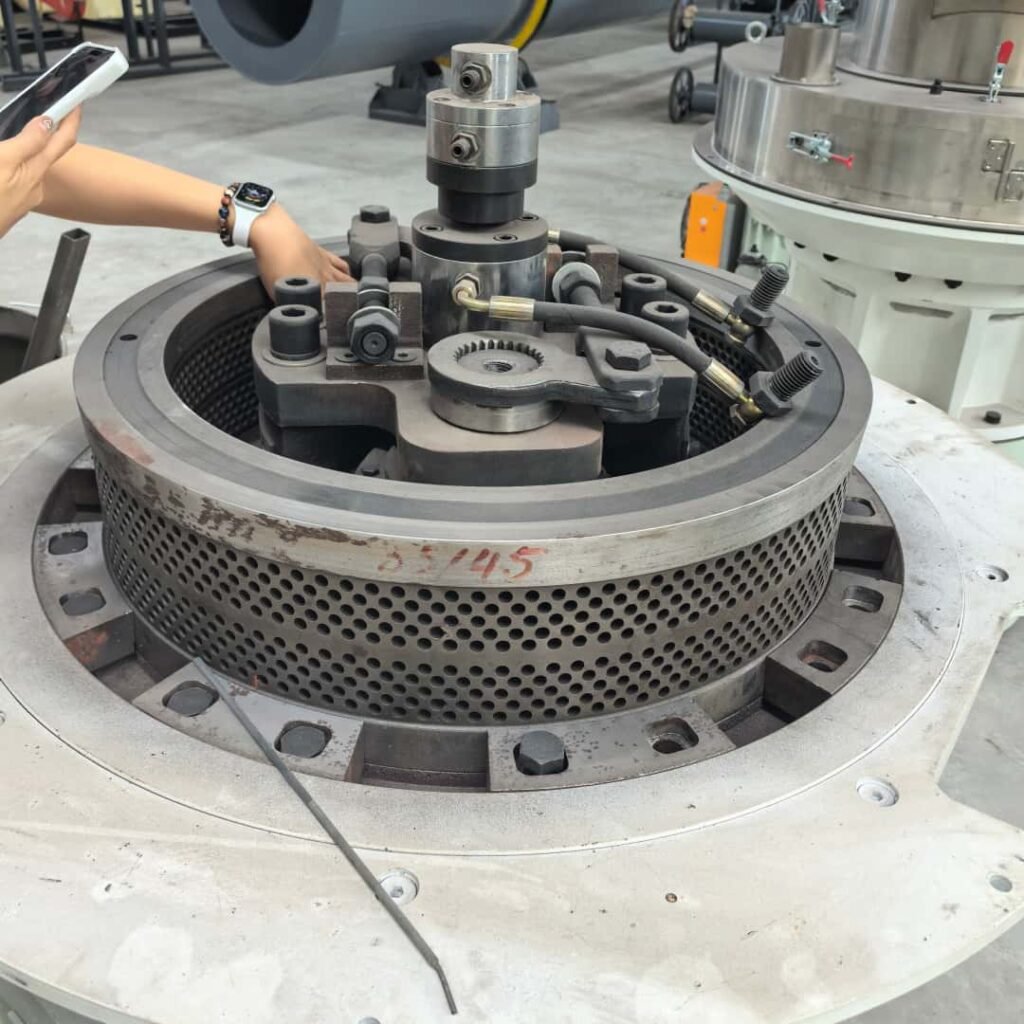
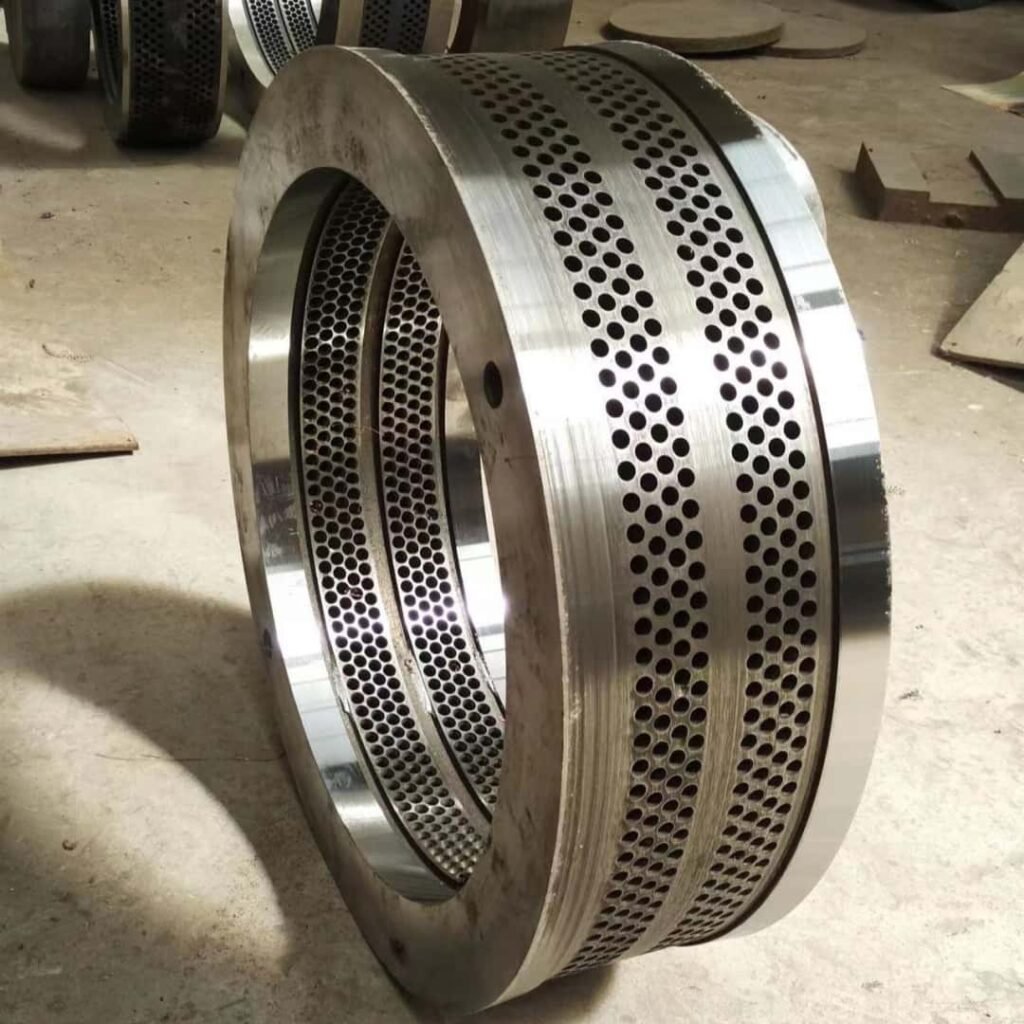
A ring die pellet mill uses a rotating die ring with stationary rollers (or rotating rollers inside a stationary die). The material is forced through the die holes under much higher pressure compared to a flat die mill. This higher pressure compresses the biomass fibers more tightly, resulting in denser, harder pellets.
Typical ring die mills operate at compression ratios ranging from 4:1 to 6:1, while flat die mills usually operate at 3:1 to 4:1. The extra compression force is the key reason ring die pellets are harder.
2. Larger Contact Area
The ring die design provides a larger contact surface between the roller and the die. This means the material is pressed more evenly and for a longer duration as it passes through the compression zone. More contact time = more compression = harder pellets.
3. More Stable Operation
Ring die mills run at higher rotational speeds with better balance. The centrifugal force helps distribute the raw material evenly inside the die chamber, ensuring consistent compression across all die holes. Every pellet comes out with uniform density and hardness.
4. Better Temperature Control
The friction generated during pelletizing naturally heats the material to 80–95°C. This heat softens the lignin in the biomass, which acts as a natural binder. Ring die mills maintain this optimal temperature range more consistently than flat die mills, helping the lignin bind the particles together more effectively.
Key Factors That Affect Pellet Hardness
Even with a professional ring die mill, several operational factors determine how hard your pellets will be.
1. Raw Material Moisture Content
Moisture is the single most important factor. The ideal moisture content for most biomass materials is 12%–18%.
- Too dry (below 10%): Not enough heat is generated through friction, lignin does not soften properly, and pellets come out soft and crumbly.
- Too wet (above 20%): Excess water creates steam pockets inside the pellets, causing them to expand and crack as they exit the die. Pellets feel soft and loose.
Tip: Use a moisture meter to test your raw material before pelletizing. If it is too dry, spray a small amount of water and mix thoroughly. If too wet, dry it in the sun or use a rotary dryer.
2. Compression Ratio of the Ring Die
The compression ratio is the ratio of die hole length to die hole diameter. A higher ratio means longer compression distance and harder pellets.
- For softwood: 4:1 to 5:1
- For hardwood: 5:1 to 6:1
- For straw and agricultural waste: 6:1 to 8:1
Choosing the right compression ratio for your specific raw material is essential. Using a die with too low a compression ratio will always produce soft pellets, no matter how well you operate the machine.
3. Raw Material Particle Size
The raw material should be ground to a consistent fine size before pelletizing. Generally, the particle size should be smaller than one-third of the die hole diameter.
- For 6mm pellets: material should pass through a 3–4mm screen
- For 8mm pellets: material should pass through a 4–5mm screen
Oversized particles prevent tight compression and create weak points in the pellets, causing them to break easily.
4. Die Hole Diameter
Smaller die holes produce harder pellets because the material has less space to expand and the compression force is more concentrated. Most fuel pellets are produced with 6mm or 8mm die holes. If you need extra-hard pellets, 6mm is the better choice.
Step-by-Step Guide to Maximizing Pellet Hardness
Follow these practical steps to get the hardest possible pellets from your ring die mill:
Step 1: Prepare the raw material correctly
- Grind all material to uniform particle size
- Adjust moisture to 12%–18%
- Mix thoroughly for consistent moisture distribution
Step 2: Choose the right ring die
- Match the compression ratio to your material type
- Start with a moderate ratio and increase if pellets are too soft
- Keep die holes clean and free of blockages
Step 3: Warm up the machine
- Run the mill empty for 5–10 minutes before feeding
- Let the die and rollers reach operating temperature
- A warm die produces better pellets from the first batch
Step 4: Control the feed rate
- Feed material at a steady, consistent rate
- Do not overload the machine — overfeeding causes uneven compression
- Adjust feeder speed based on motor load (keep at 70%–85% load)
Step 5: Set the correct roller-die gap
- The gap between roller and die should be 0.1–0.3mm
- Too large: material slips, low pressure, soft pellets
- Too small: excessive friction, die wear, and possible blockage
Step 6: Cool the pellets properly
- Use a counterflow cooler after pelletizing
- Cool pellets to within 5–10°C of ambient temperature before packaging
- Proper cooling allows the lignin to harden and set, locking in pellet strength
Common Problems and Solutions
| Problem | Possible Cause | Solution |
|---|---|---|
| Pellets are soft and crumbly | Moisture too high or too low | Adjust moisture to 12%–18% |
| Pellets break easily | Compression ratio too low | Use a die with higher compression ratio |
| Pellets have cracks on surface | Moisture too high | Dry raw material further |
| Low output, high power consumption | Roller-die gap too small | Increase gap to 0.1–0.3mm |
| Pellets vary in hardness | Uneven feed rate | Stabilize feeder speed |
| Die blocks frequently | Material too wet or too large | Dry material and re-grind to smaller size |
Ring Die vs. Flat Die: Quick Comparison
| Feature | Ring Die Mill | Flat Die Mill |
|---|---|---|
| Pellet hardness | High | Medium |
| Pellet density | High | Medium |
| Compression pressure | High | Medium |
| Suitable capacity | 0.5–10 tons/hour | 0.1–1 ton/hour |
| Best for | Commercial production, fuel pellets | Small-scale, farm use |
| Pellet uniformity | Excellent | Good |
| Durability rating achievable | 95%+ | 85%–92% |
If your business requires consistently hard pellets for commercial sale or industrial use, a ring die mill is the clear choice.
Maintenance Tips for Consistent Pellet Quality
Maintaining your ring die mill properly ensures it always produces hard, high-quality pellets:
- Clean the die after each use: Run a small amount of oily material (oilseed waste or sawdust mixed with used oil) through the die to fill the holes and prevent rust.
- Check rollers regularly: Worn rollers reduce compression pressure. Replace roller shells when worn beyond 2mm.
- Lubricate bearings: Follow the manufacturer’s schedule — usually every 8–12 hours of operation.
- Inspect die holes: Use a die punch to clear any blocked holes. Blocked holes reduce effective die area and lower output quality.
- Store dies properly: Keep dies in a dry place, coated with oil, to prevent corrosion that can rough up the hole surfaces.
Conclusion
Producing hard, durable biomass pellets is not complicated when you have the right equipment and know how to use it. A professional ring die biomass pellet mill provides the high compression pressure, stable operation, and consistent temperature that are essential for making premium-quality pellets.
The key takeaways are:
- Use a ring die mill for commercial-grade pellet hardness
- Keep raw material moisture between 12% and 18%
- Match the die compression ratio to your material type
- Maintain proper roller-die gap (0.1–0.3mm)
- Cool pellets properly after pelletizing
- Perform regular maintenance on dies and rollers
By following these guidelines, you can consistently produce pellets with durability ratings above 95%, reducing waste, lowering shipping costs, and commanding higher prices in the market.
Looking for a professional ring die biomass pellet mill for your production line? Contact our engineering team for a customized solution tailored to your raw material and capacity requirements.