
Setting up a biomass pellet line or a wood waste recycling project? Two machines look confusingly alike: the wood crusher and the wood shredder. Mixing them up means choosing the wrong model, then facing low output, frequent jams and rising maintenance costs. This guide breaks down their core differences so you can match the right equipment to your raw material and target product.
Working Principle
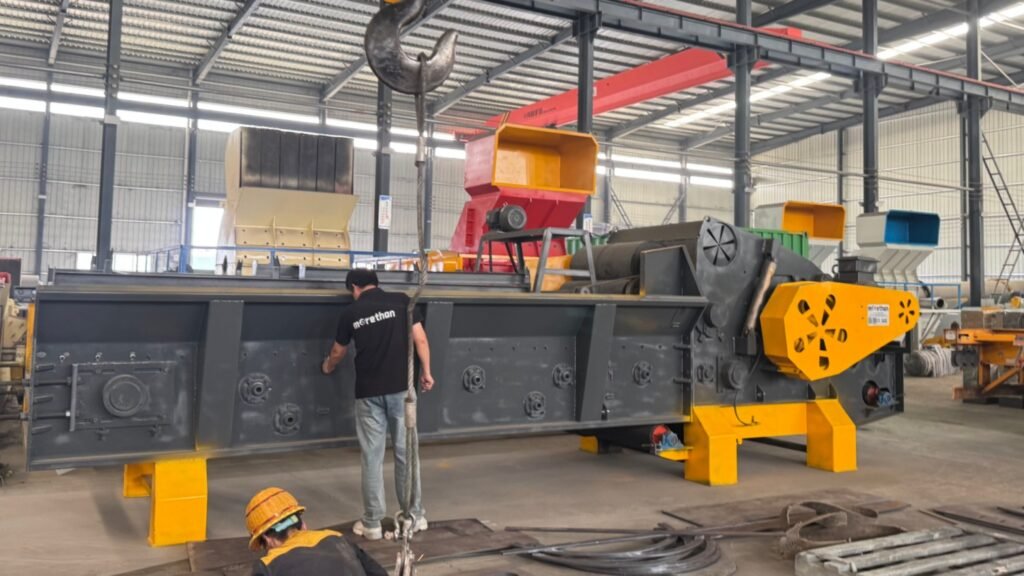
A wood crusher spins hammers or blades at high speed and breaks wood by impact. Material is fed into the crushing chamber, struck again and again until particles pass through the screen at the bottom.
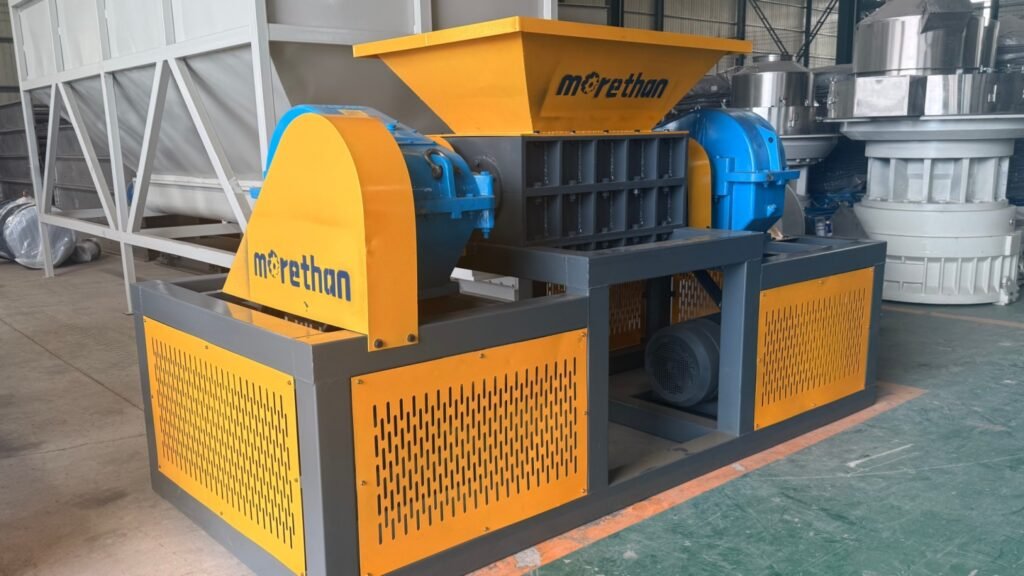
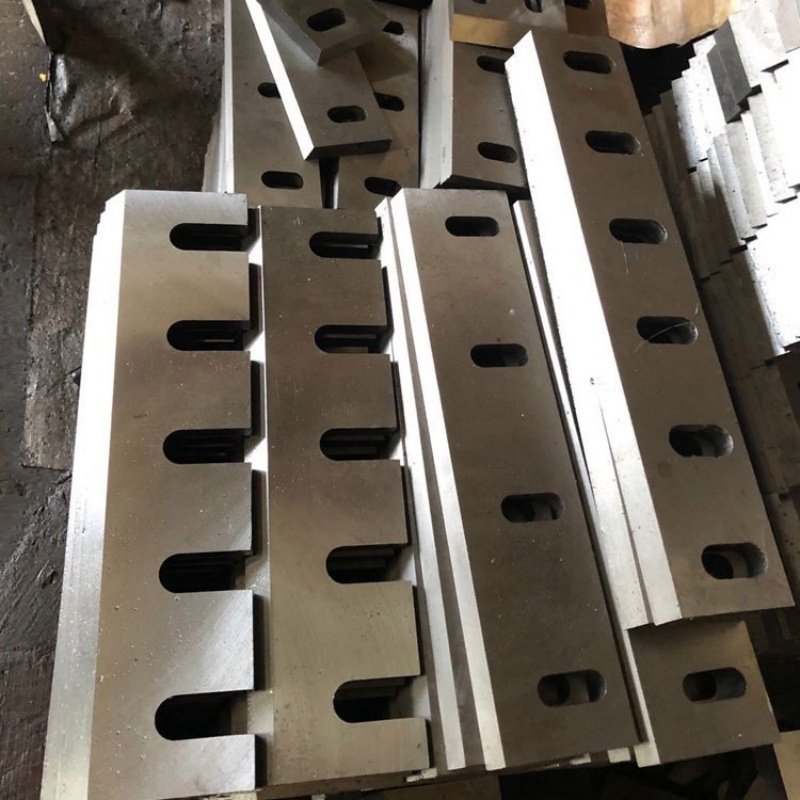
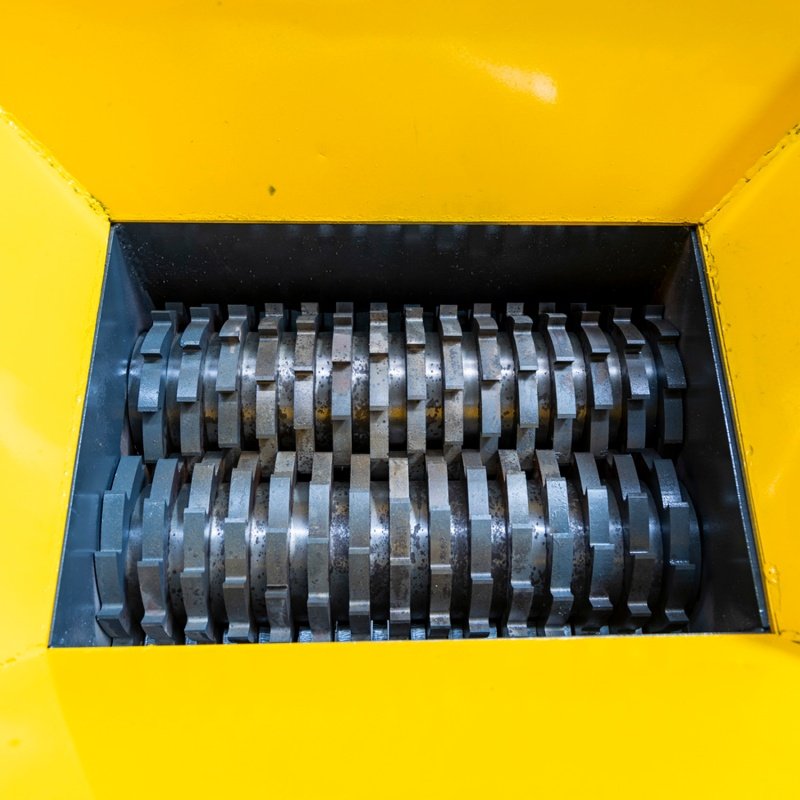
A wood shredder uses two slow-rotating shafts with sharp cutters. It cuts, tears and shears bulky wood instead of smashing it. The cutters grab whole logs, branches and waste timber and slice them into uniform strips or chunks.
Suitable Raw Material
Wood crusher suits small to medium dry feed: branches, wood chips and small lumber scraps. It is not for whole logs, thick trunks or wood full of nails — hard, oversized feed wears hammers fast and causes jamming.
Wood shredder is built for bulky, heavy feed: whole logs, thick trunks, big root stocks and nailed pallets, both dry and wet. It is the ideal first-stage reducer before fine crushing.
Output Size
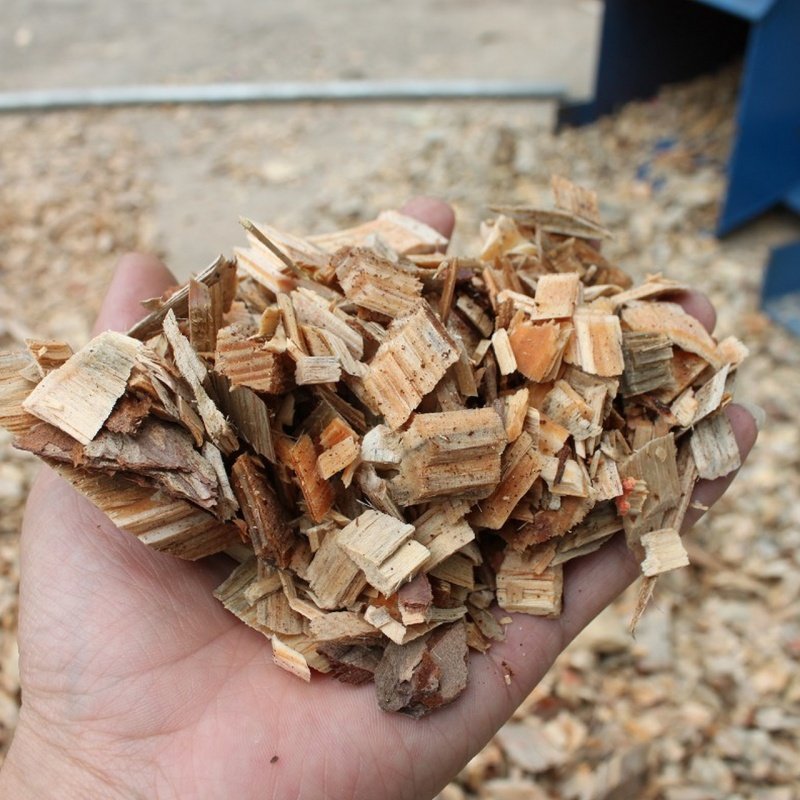
A wood crusher delivers fine particles of about 2–10 mm — exactly what a biomass pellet mill, briquette machine or palm fiber line needs.
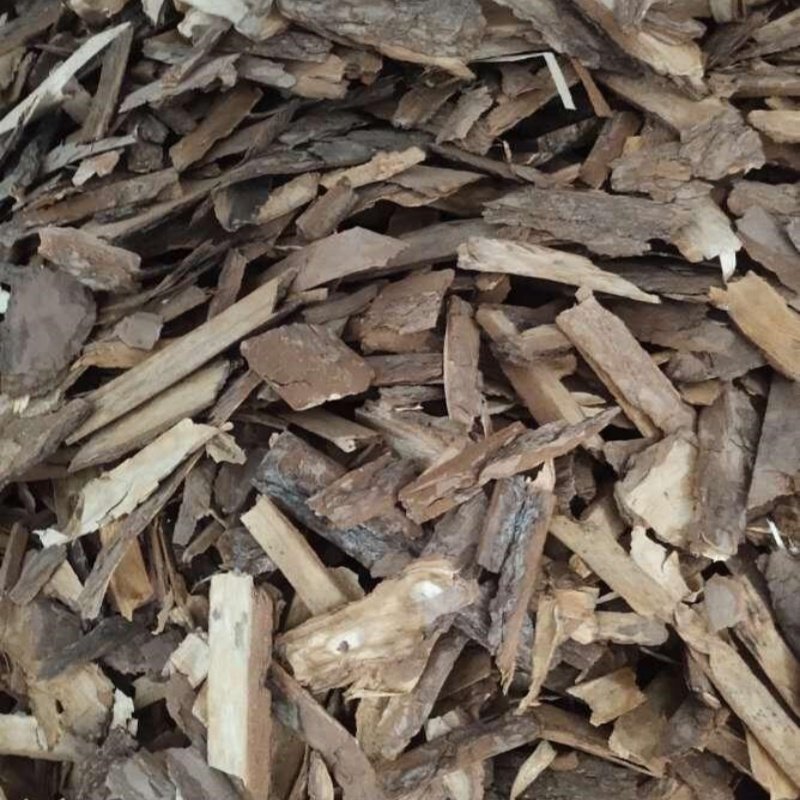
A wood shredder produces larger, irregular chunks of roughly 20–100 mm. That output is for volume reduction only; you still need a crusher after shredding to reach pellet-grade fineness.
Power & Running Costs
A wood crusher runs at high speed with lower purchase price, but its hammers and screens wear faster, and the feed must be free of metal.
A wood shredder runs at low speed with high torque: stronger cutting force, less vibration and lower noise. Its thicker cutters handle hard, contaminated wood far longer. The trade-off is a higher machine price.
How to Choose
- Small dry branches and you need fine particles for direct pelletizing → wood crusher.
- Big logs, tree roots or waste pallets and you only want to reduce bulk → wood shredder.
- Full biomass line → shredder (primary) + crusher (secondary) + dryer + pellet mill for stable, continuous production.
Conclusion
Wood shredder and wood crusher are not rivals; they usually work as partners in recycling lines. The shredder reduces bulk, the crusher refines it into pellet-ready fines. Confirm your feed size, moisture and target particle size before ordering — send us your raw material photos and required output size, and we will recommend the right solution.