
What is the real gap between cold‑pressed oil and refined oil? Compare nutrition, flavor, production process and end‑use to help you pick the right edible oil for your business.
What Is Cold‑Pressed Oil?
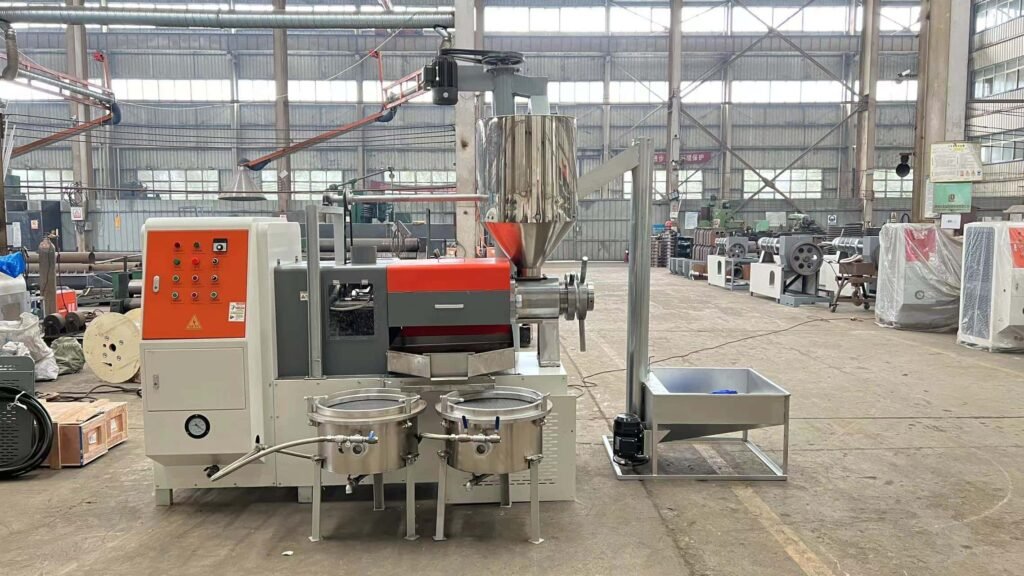
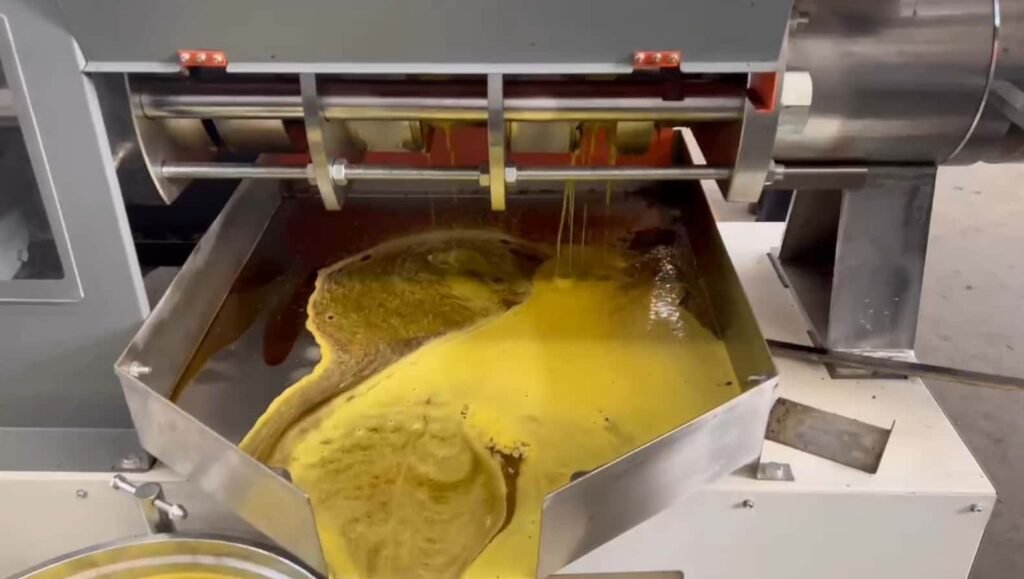
Cold‑press oil is produced strictly under low‑temperature physical squeezing. No high‑temperature heating or chemical solvents are applied during the whole extraction procedure. Raw oilseeds such as sunflower seed, peanut, sesame and rapeseed are mechanically pressed to separate oil from cake.
Since there is no high‑heat treatment, natural vitamins, plant sterols, natural antioxidants inside oil seeds are well preserved. The finished oil keeps the original seed aroma and natural color. However, cold‑pressed crude oil contains tiny suspended particles, so simple filtration is required before bottling.
Cold‑pressed oil is widely welcomed by health‑focused restaurants, organic food distributors and family consumers.
What Is Refined Oil?

Refined oil goes through complete chemical‑physical refining workflows: degumming, deacidification, decolorization and deodorization. Most raw materials for refined oil can be hot‑pressed crude oil or solvent‑extracted crude oil.
High‑temperature processing and chemical agent removal remove free fatty acids, peculiar smell and pigments. The final refined oil features light color, transparent appearance, stable storage performance and long shelf life.
But the high‑temperature refining step will destroy most heat‑sensitive natural nutrients. Natural seed fragrance will also disappear in the deodorization phase. Refined oil is dominant in large‑scale food processing industry for its low cost and good stability.
Core Differences in Health, Flavor & Application
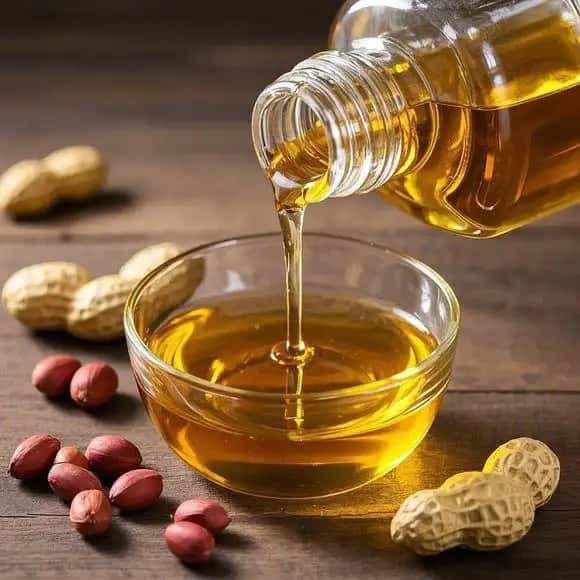
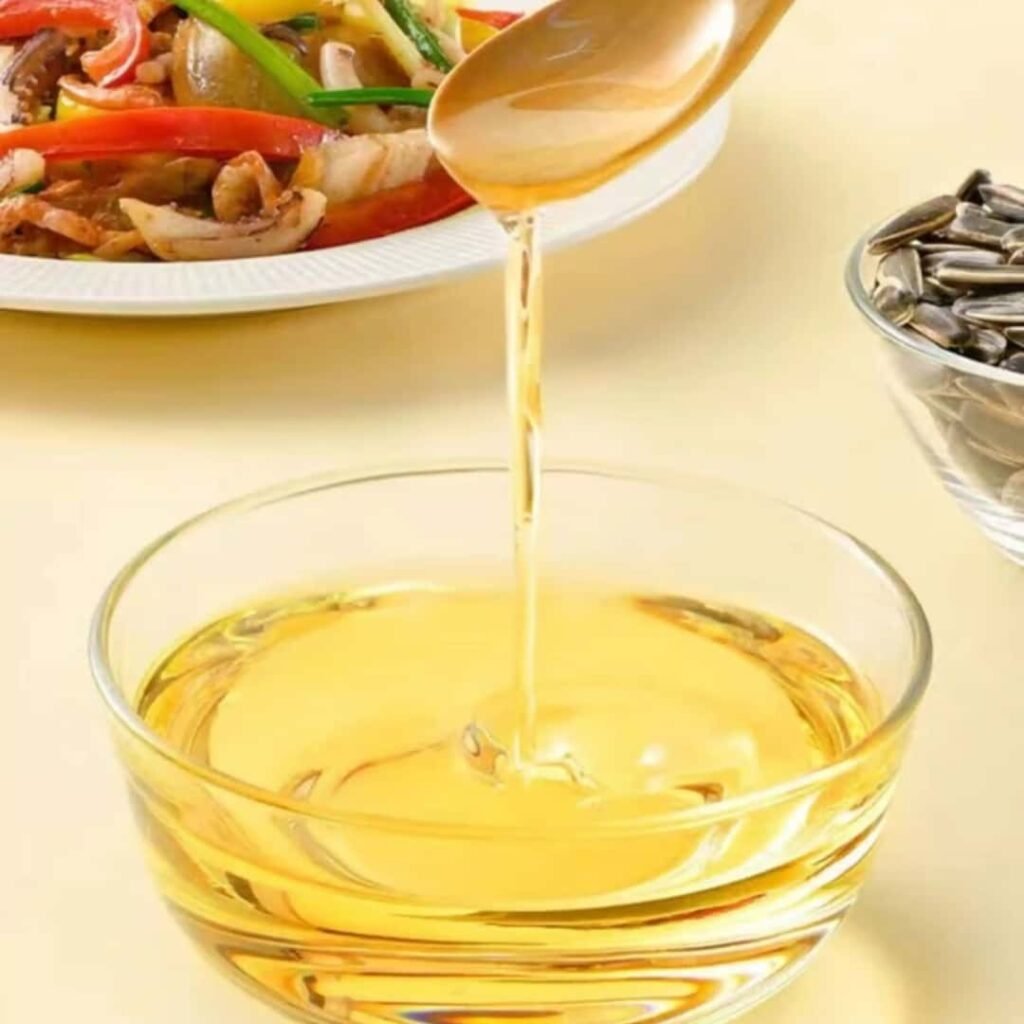
- Nutrition & Health Cold‑pressed oil retains natural active substances. It keeps more original nutrition coming from oil seeds. Refined oil loses most natural vitamins and antioxidants after high‑temperature treatment.
- Taste & Smell Cold‑pressed oil has strong, authentic seed‑specific flavor. Refined oil is almost tasteless and odorless.
- Storage Stability Refined oil has better oxidation resistance for long‑term stock. Cold‑pressed oil needs sealed storage away from sunlight.
- Business Application Scenarios Cold‑pressed oil: organic food shop, high‑end restaurant, health‑oriented retail sales. Refined oil: large food factory, mass catering, deep‑frying mass production.
Which One Should You Choose For Your Business?
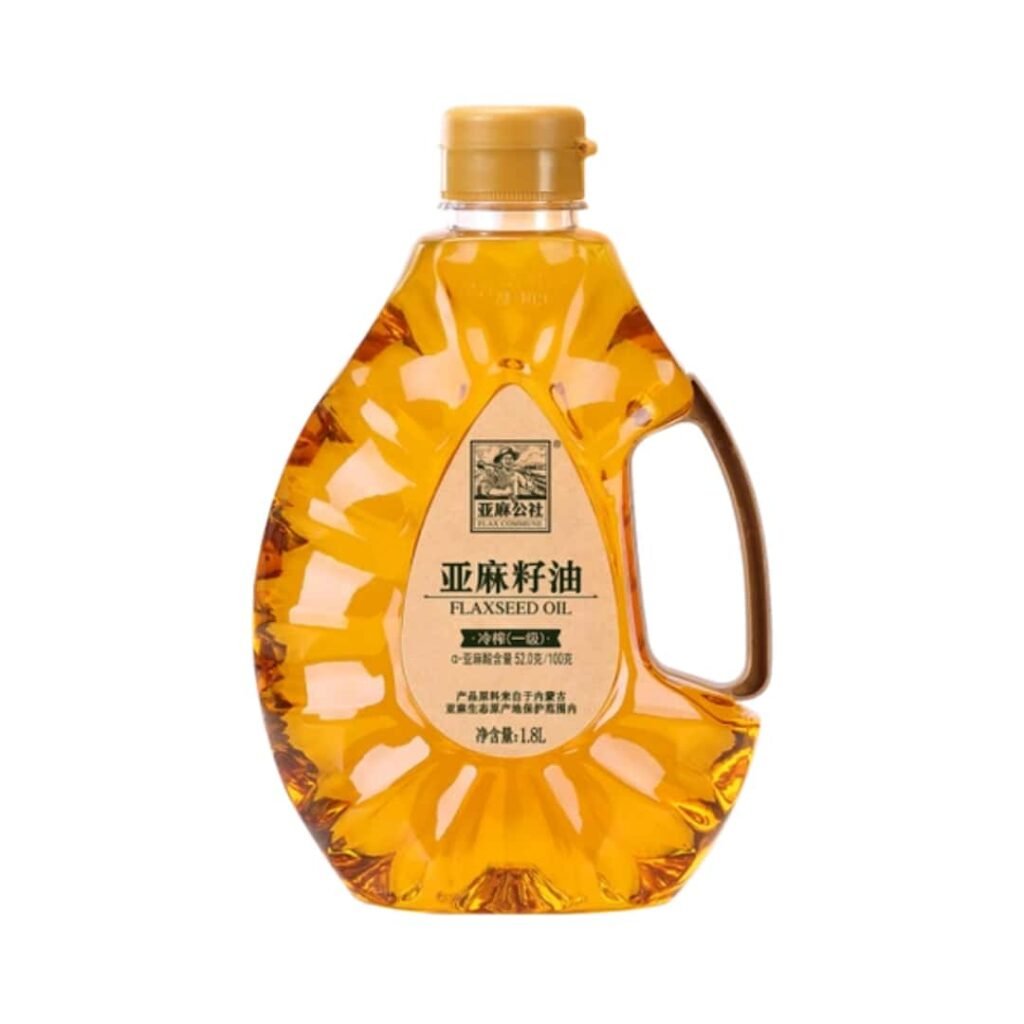
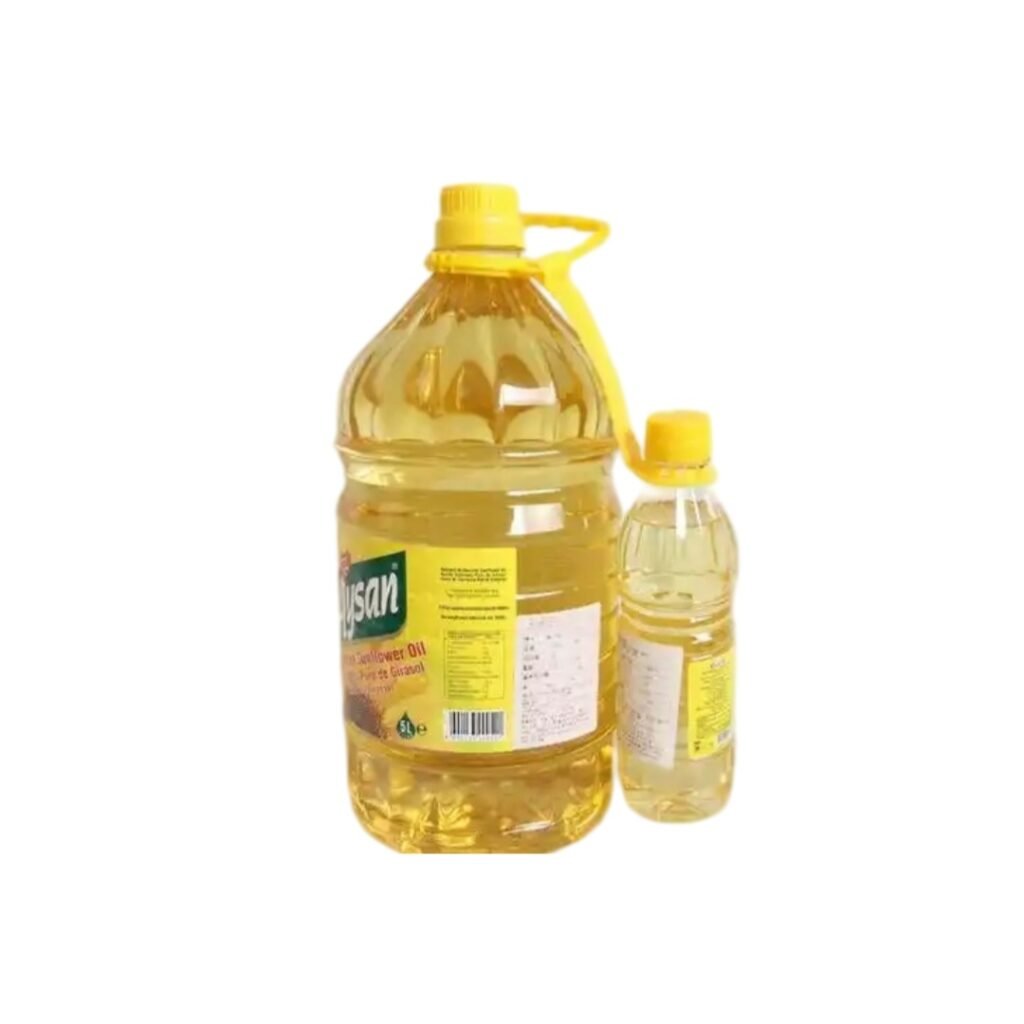
If you target organic, high‑value health food market, cold‑pressed oil will bring higher product added value. You need to equip cold press oil expeller plus simple filter machine.
If you run large‑volume food processing and pursue low cost and long shelf life, complete refining production line is your better option.
Many clients choose hybrid solution: produce cold‑pressed finished oil for high‑end sales, meanwhile make refined oil for bulk‑order market. Our oil processing machinery can support both two production demands.
Get in touch with us, we customize complete oil press and refining solution according to your raw material and output requirement.