
Introduction
With the global industrial sector accelerating its energy transformation and waste recycling upgrade, Refuse Derived Fuel (RDF) has become one of the most popular renewable alternative energy sources for manufacturing enterprises. RDF fuel is processed from sorted, crushed, dried, and molded combustible waste materials, replacing traditional fossil fuels such as coal and heavy oil for industrial heating, power generation, cement kiln calcination, and boiler combustion.
Compared with raw waste incineration, standardized RDF fuel features stable calorific value, low pollution emissions, convenient storage and transportation, and high resource utilization rate. It not only helps enterprises reduce energy costs but also meets international carbon emission reduction and solid waste harmless disposal standards.
The quality, combustion efficiency, and market applicability of finished RDF fuel are directly determined by raw material screening standards and standardized production processes. Unqualified raw materials or irregular processing steps will lead to unstable heat value, excessive harmful components, low molding rate, and even equipment damage. This article comprehensively analyzes the detailed raw material requirements, core production principles, complete processing workflow, and key quality control points of commercial-grade RDF fuel production.
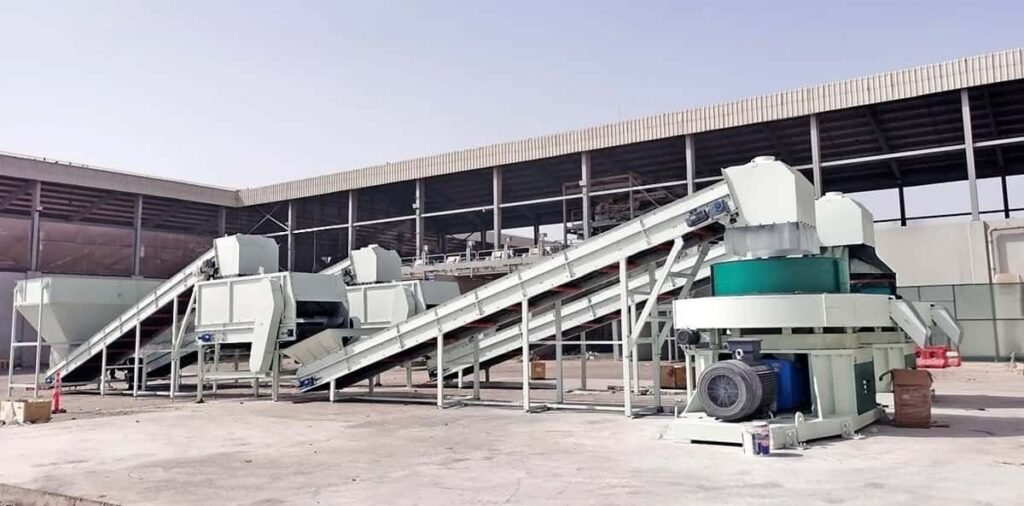
Core Raw Material Requirements for Qualified RDF Fuel
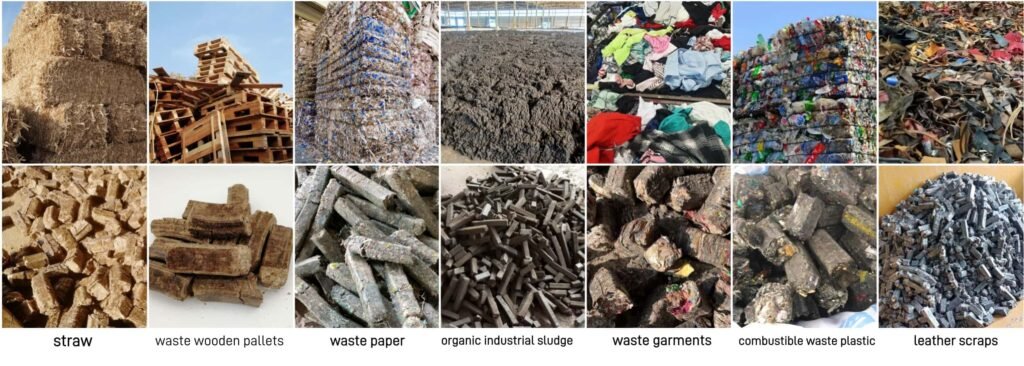
RDF production has strict access standards for raw materials. Not all solid waste can be used for RDF fuel processing. Only non-hazardous, combustible, and low-corrosive waste materials are suitable for commercial RDF production. Strict raw material screening is the primary premise to ensure high-quality finished fuel and stable operation of the production line.
1. Approved Raw Materials for RDF Production
Commercial RDF production lines mainly process mixed combustible waste from municipal life, industrial production, and agricultural production. The mainstream available materials include sorted municipal solid waste (MSW), waste plastic films, packaging cartons, waste textiles, leftover wood scraps, furniture fragments, crop straws, rice husks, and other non-toxic and non-hazardous industrial combustible residues. These materials have stable combustion characteristics and high recyclable heat value, which are the core raw materials for mass production of RDF fuel.
2. Strictly Prohibited Raw Materials
To avoid equipment failure, combustion pollution, and unqualified finished products, the following materials are completely prohibited from entering the RDF production line: hazardous chemical waste, waste batteries, electronic waste, metal scraps, glass, stones, concrete blocks, highly humid kitchen waste, perishable organic waste, and corrosive substances. Hard impurities such as metal and stone will wear and block shredding and molding equipment, while hazardous and high-corrosive materials will produce toxic gas and cause boiler corrosion during combustion, failing to meet environmental protection standards.
3. Key Raw Material Quality Control Indicators
In actual industrial production, enterprises need to strictly control three core indicators to ensure stable RDF fuel quality:
Moisture Content: The optimal moisture of raw materials is controlled below 20%. Excessively high moisture will directly reduce the calorific value of finished fuel, increase the load of drying equipment, cause material agglomeration and blockage during crushing and molding, and greatly reduce production efficiency.
Calorific Value: After drying and homogenization treatment, the effective calorific value of qualified RDF raw materials should reach more than 16 MJ/kg, which can meet the continuous heating demand of industrial boilers and cement kilns.
Chlorine and Sulfur Content: Strictly control low chlorine and low sulfur indicators. High chlorine content will cause high-temperature corrosion of boiler equipment during combustion, and excessive sulfur will lead to excessive flue gas emissions, failing environmental compliance.
Complete Standard RDF Fuel Production Process
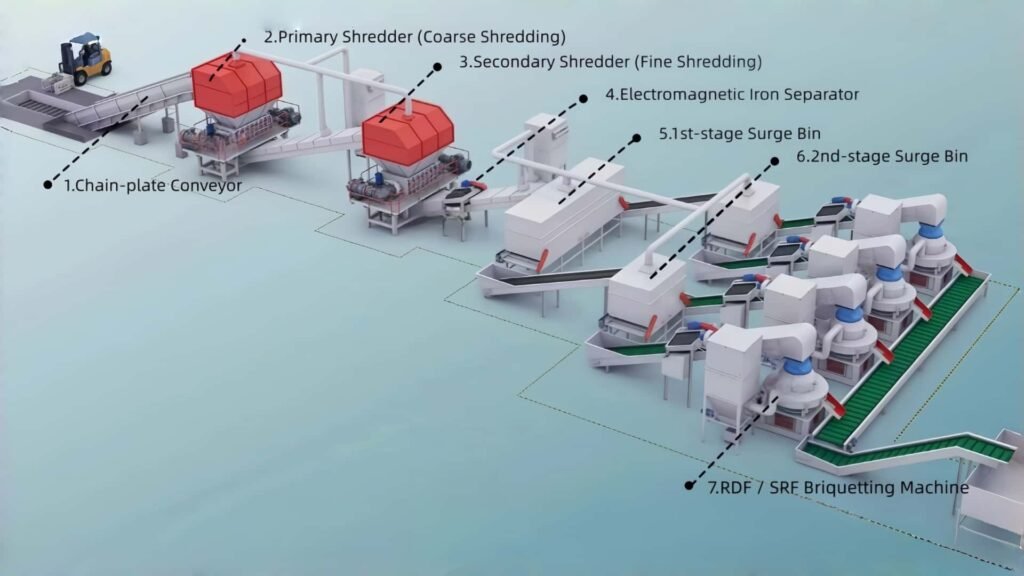
The commercial RDF fuel production line adopts a fully automated closed-loop processing system, covering raw material pretreatment, impurity removal, crushing, drying, homogenization mixing, compression molding, cooling, and finished product storage. Each process is equipped with targeted quality control links to ensure uniform particle size, stable calorific value, and high molding rate of finished RDF products. The complete production workflow is as follows:
1. Raw Material Pre-sorting and Impurity Removal
Mixed waste raw materials are first sent to the feeding platform, through manual preliminary sorting and automatic magnetic separation equipment. This step completely removes ferromagnetic metals, stones, glass, and other hard impurities mixed in the materials. Pre-impurity removal is the key foundation to protect subsequent shredding equipment from abrasion and jamming, and effectively improve the purity of subsequent fuel raw materials.
2. Primary and Secondary Fine Shredding
The screened pure combustible materials enter the double-shaft shredder for primary coarse crushing and secondary fine crushing. The equipment cuts and tears large-volume, irregular waste materials into uniform fine particles. Unified particle size lays a solid foundation for subsequent drying uniformity, mixing stability, and high-pressure molding effect, avoiding loose finished products and low combustion efficiency caused by uneven material size.
3. Intelligent Drying Treatment
For raw materials with excessive moisture, the crushed materials are quantitatively sent to the rotary drum drying system. Through high-temperature hot air circulation, the material moisture is stably reduced to the standard range (below 20%). The intelligent temperature and humidity control system can adjust the drying intensity according to different raw material characteristics, ensuring that the materials achieve the best drying effect without carbonization, which maximizes the heat value of RDF fuel.
4. Homogenization Mixing and Quality Balancing
Different types of combustible waste have different natural calorific values and combustion characteristics. The homogenization mixing system fully stirs and blends various processed materials to balance the overall heat value, density, and components of the raw materials. This process solves the problem of unstable combustion of finished fuel, ensuring that each batch of RDF fuel has consistent quality and provides stable and continuous heat supply for industrial equipment.
5. High-pressure Compression Molding
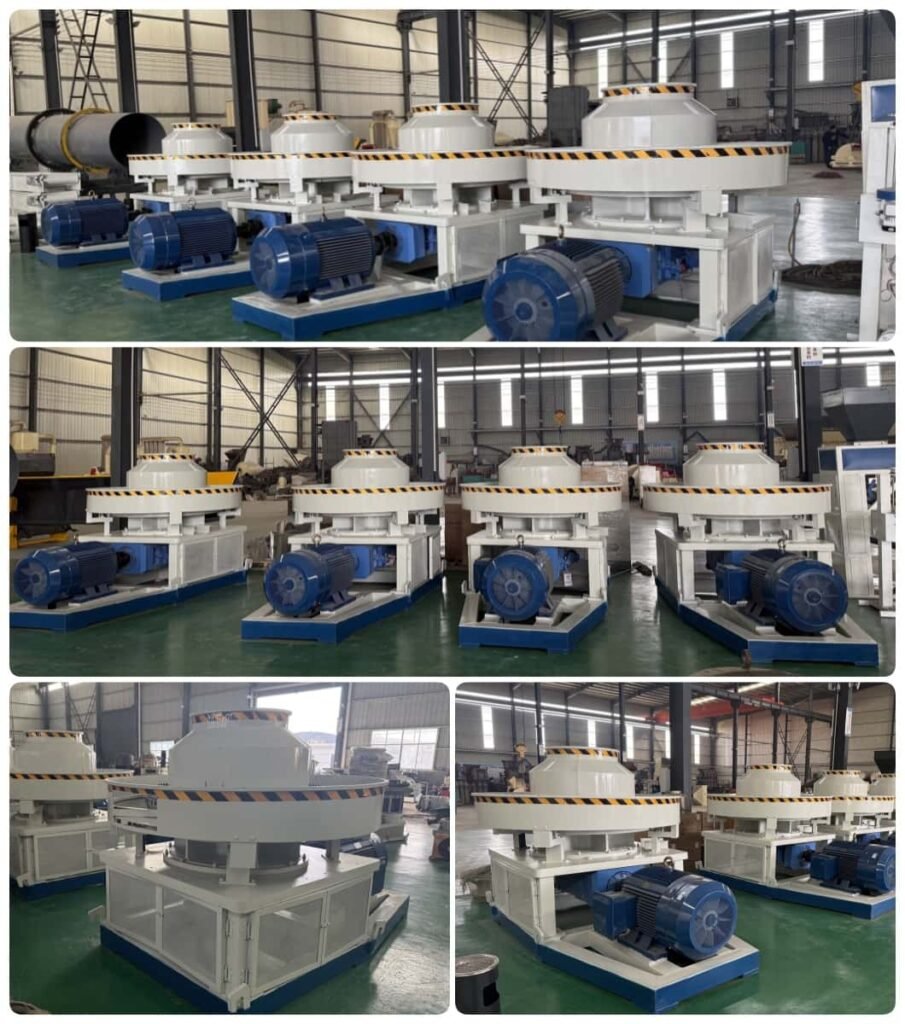
The evenly mixed raw materials are sent to the RDF briquetting and molding equipment. Through high-pressure physical compression, loose granular materials are extruded into dense block or granular RDF finished fuels. The molded RDF fuel has high density, small volume, convenient stacking and transportation, low loss during storage, and can adapt to long-distance transportation and long-term sealed storage.
6. Cooling, Packaging and Warehouse Storage
The newly molded RDF fuel will generate high temperature due to high-pressure extrusion. After being conveyed to the cooling system for natural cooling and heat dissipation, the qualified finished products are automatically packaged and then sent to a dry and ventilated special warehouse for storage. Standardized packaging and storage effectively prevent the finished fuel from absorbing moisture again, ensuring long-term stable fuel quality.
Advantages of Our Standard RDF Production Solution
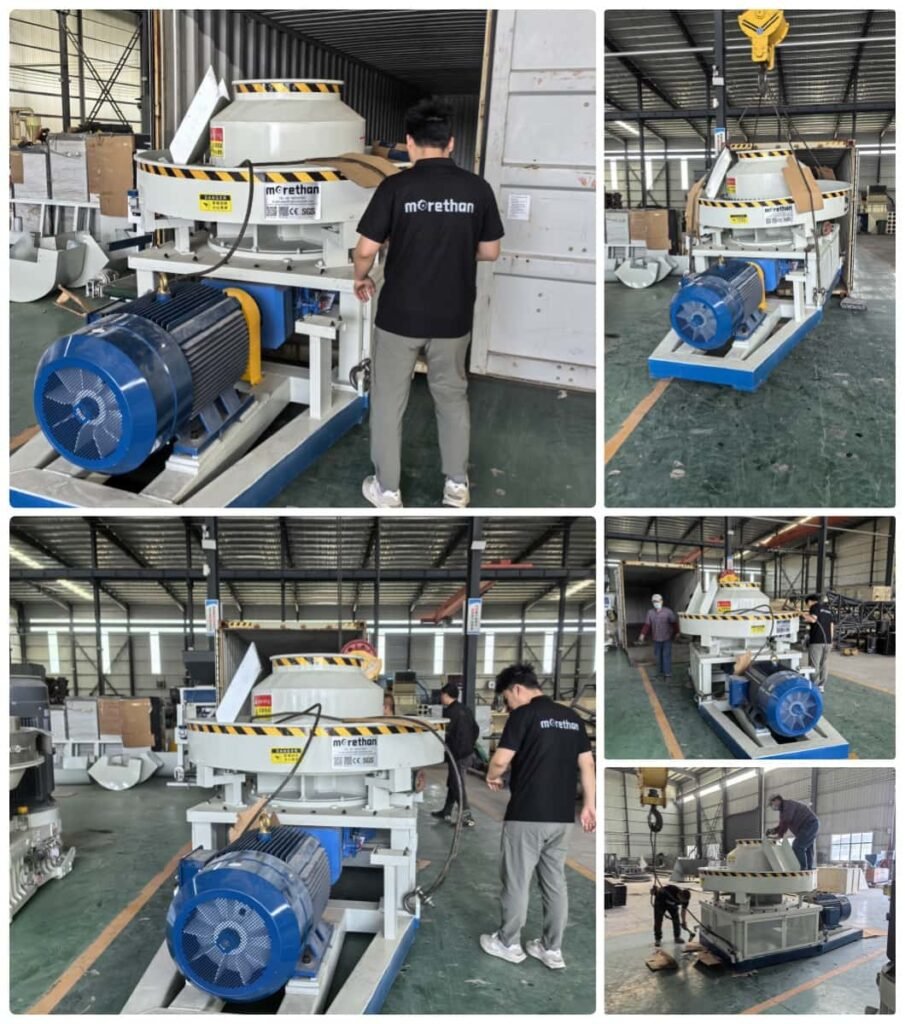
Our customized RDF fuel production lines are designed for the complex characteristics of domestic and foreign waste materials, with strong practicability and high cost performance. First, the production line has wide raw material adaptability, which can efficiently process various mixed combustible wastes and realize full resource utilization. Second, the fully automated operation reduces manual intervention, greatly improves production efficiency, and reduces labor costs. Third, the finished RDF fuel has stable quality, uniform molding, and standard calorific value, which can fully meet the long-term energy demand of industrial users such as power plants, cement factories, and heating enterprises. In addition, we provide turnkey overall solutions including equipment selection, plant layout, installation and commissioning, and after-sales maintenance.
Get Custom RDF Production Line Solution
If you are planning to build a commercial RDF fuel recycling plant, please provide us with your local raw material types, average moisture content, and expected daily output. Our professional engineering team will design a targeted personalized production plan, select matching equipment models, and provide you with accurate quotations and technical support to help you realize efficient waste recycling and stable energy profit output.