
Ring die pellet mill acts as the core equipment of the complete biomass pellet production line. Long‑time continuous working, improper raw material condition and irregular daily operation will easily lead to various unexpected faults. Once failures occur, the whole pellet production line will stop working, bringing economic loss to your project. Understanding typical malfunctions, root causes and practical solutions can help operators quickly handle emergencies, cut down unplanned downtime and extend service life of key wearing parts.
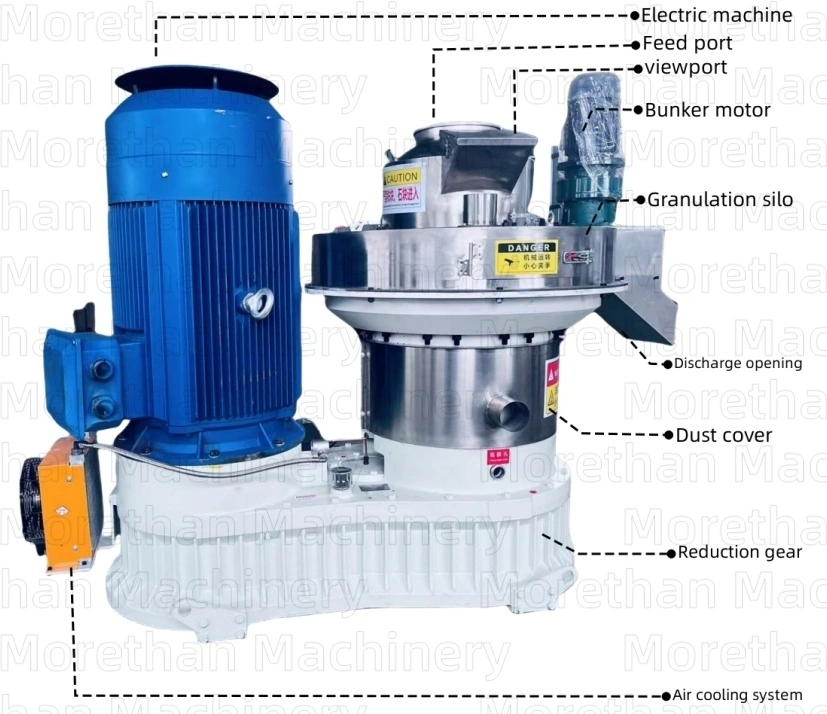
Fault 1: Low pellet output, insufficient production capacity
Many users encounter reduced hourly output after running the ring die pellet mill for a period of time, while motor power keeps normal.
Main Causes
- The ring die inner hole is partially blocked by hardened material residue.
- Roller and ring die working gap is not adjusted properly, too large or too narrow.
- Raw material moisture content goes beyond the reasonable range (ideal moisture:12‑18%).
- Rollers are heavily worn, cannot squeeze materials efficiently.
Solutions
- Clean up blocked ring die holes; ream blocked holes if necessary.
- Adjust the gap between roller and ring die to the standard clearance.
- Control raw material moisture by matching supporting drying equipment.
- Replace severely worn rollers in time.
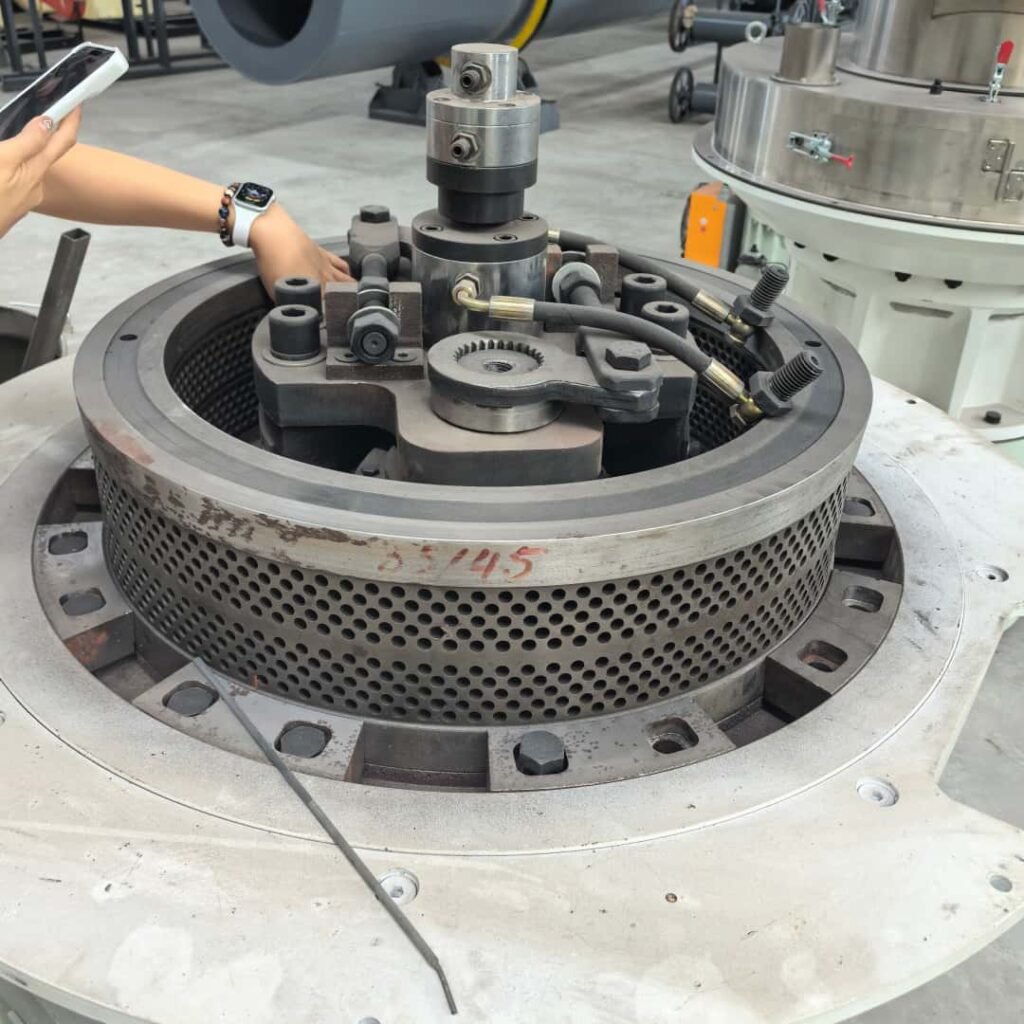
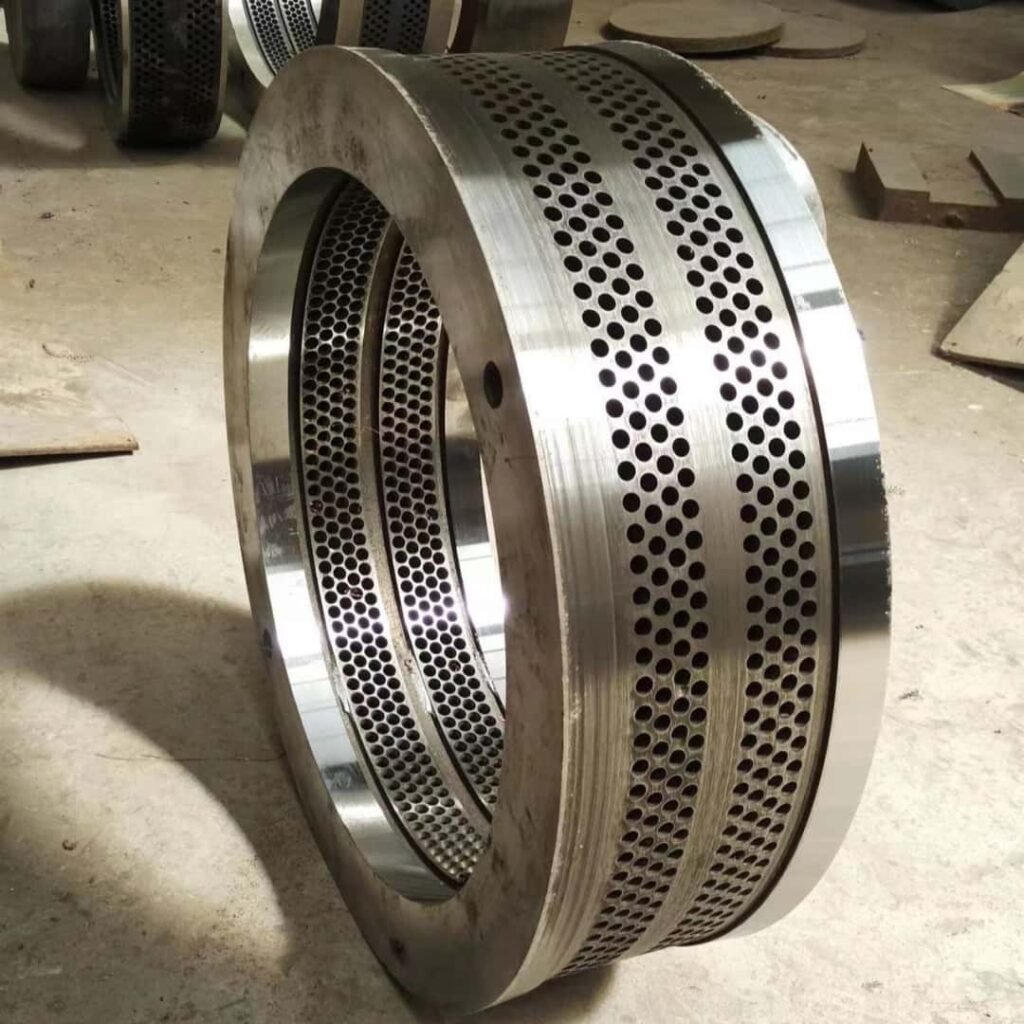
Fault 2: Pellets are loose, easy to break, poor molding effect
Finished pellets cannot keep firm shape, crack easily during cooling and transportation, which directly lowers finished‑product quality and commercial value. Main Causes
- Raw material moisture is too high or too low.
- Serious wear on ring die and pressure roller.
- Short material residence time inside the die hole.
- Hard foreign impurities mixed in raw materials.
Solutions
- Test and adjust raw material moisture strictly within 12‑18%.
- Inspect wearing parts; replace ring die or rollers when wear limit is reached.
- Check ring‑die compression ratio, select proper compression ratio according to your raw material type.
- Remove stones, metal fragments before feeding materials into pellet mill.
Fault 3: Abnormal vibration and loud noise during operation
Sharp noise and obvious machine vibration appear in running status. This fault will accelerate component wear and may cause safety risk. Main Causes
- Metal hard impurities enter the grinding chamber.
- Fastening bolts become loose.
- Bearing is damaged or lack of lubrication grease.
- Uneven feeding volume.
Solutions
- Stop the machine immediately, open the chamber and clear foreign objects. Install magnetic iron remover on the feeding section.
- Check and tighten all mounting bolts.
- Replace damaged bearings, add qualified high‑temperature lubricating grease following maintenance manual.
- Stabilize feeding speed to avoid sudden material surge.
Fault 4: Motor overheating
The motor temperature rises rapidly during operation, triggering over‑heat protection. Continuous overheating will shorten motor service life. Main Causes
- Long‑term overload running beyond rated capacity.
- Poor ventilation of motor heat‑dissipation area.
- Unstable input power supply.
- Internal mechanical jam increases load.
Solutions
- Do not keep the machine running above rated production capacity for long hours.
- Clear dust and debris around motor cooling fan, guarantee good air circulation.
- Check local voltage condition, configure voltage stabilizer if voltage fluctuation is large.
- Shut down for full inspection when mechanical jam exists.
Daily Preventive Maintenance Tips
Most ring die pellet mill faults come from lack of routine maintenance. Simple daily checks can greatly reduce failure probability.
- Check lubrication status of bearings every shift, refill high temperature resistant grease on schedule.
- Inspect wear degree of ring die and rollers regularly.
- Strictly control raw material moisture and remove foreign impurities before feeding.
- Tighten loose bolts before each startup.
- Operate equipment strictly follow official operation manual.
If you meet complex failures that cannot be solved by above steps, please contact our technical team for professional support. Our engineer team can also provide on‑site installation and guidance service for your whole biomass pellet production line.