
Learn what raw materials work for feed pellet machines and check common output capacity ranges. Choose the right feed pellet mill for livestock, poultry and aquaculture feed production.
Good feed pellets rely on two core factors: matched raw materials and properly sized pellet machine output. Many new producers pick the wrong feed pellet mill, only to face low efficiency, unformed pellets or frequent equipment blockages.
This guide sorts out applicable raw materials and standard output ranges of feed pellet machines, to help you select suitable equipment.
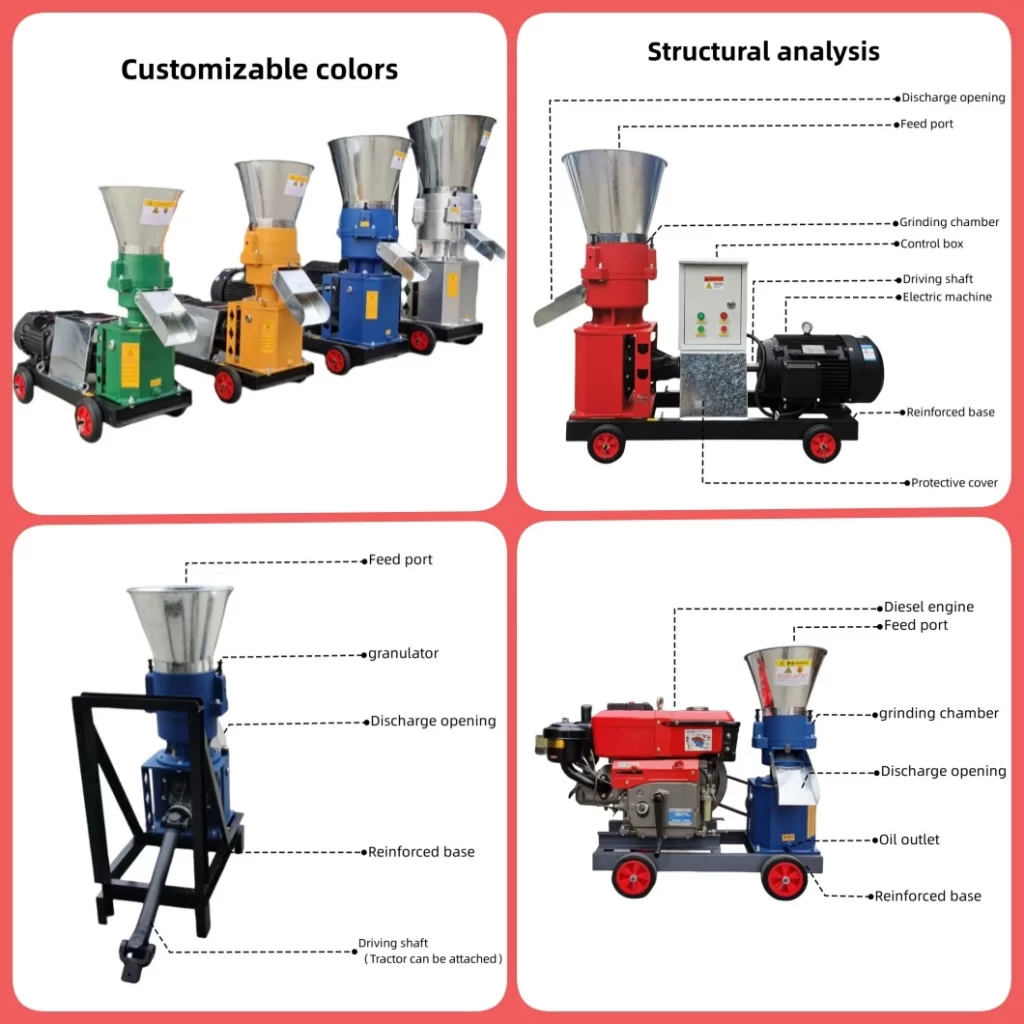
1. Common Suitable Raw Materials for Feed Pellet Machine
Feed pellet mills process crushed mixed raw materials into solid cylindrical feed pellets. Raw materials need proper crushing size and moisture content (ideal moisture: 12% – 18%).
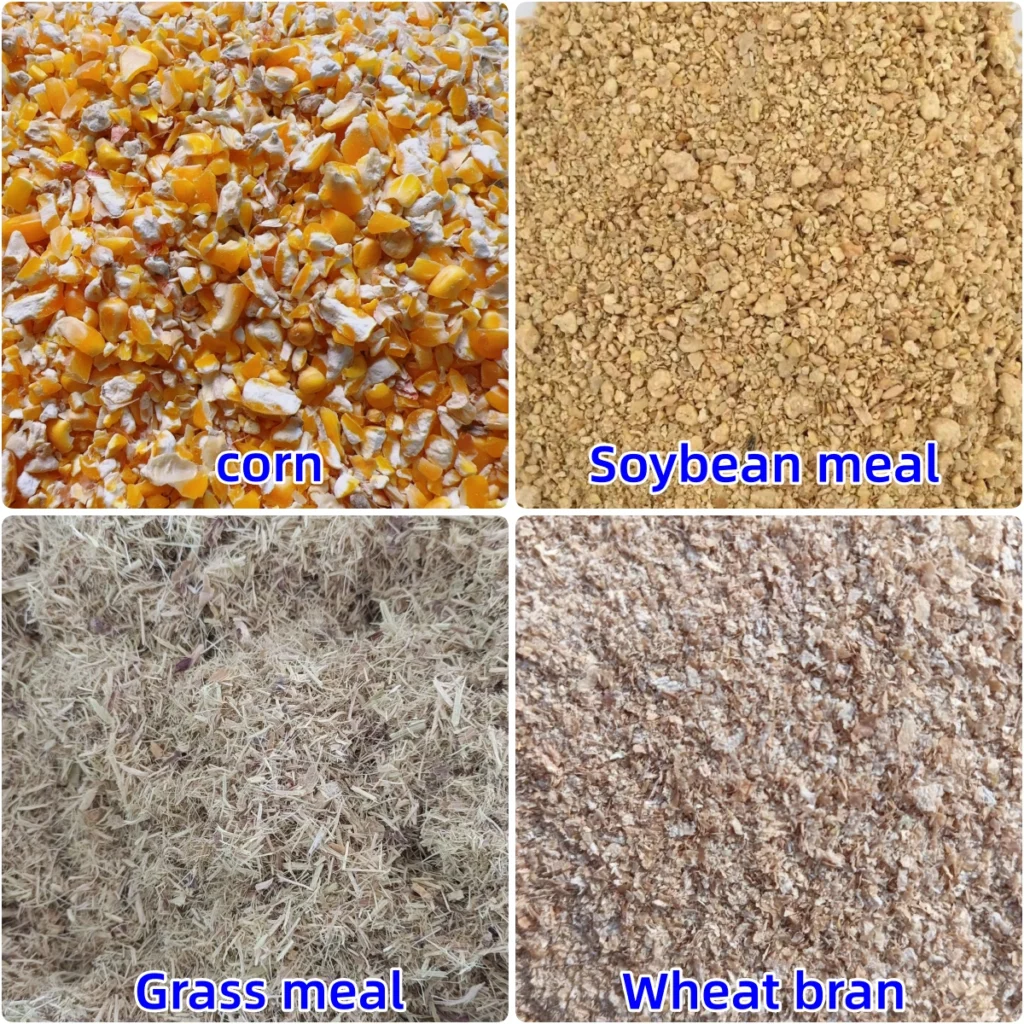
Usable main materials
- Grain materials: Corn, wheat, sorghum, bran, rice husk
- Plant fiber materials: Alfalfa, grass meal, straw powder, soybean straw
- Protein materials: Soybean meal, peanut meal, fish meal
- Auxiliary materials: Bone meal, shell powder, premix feed additives
Raw materials NOT recommended for direct pelleting
Whole large grains, long uncrushed straw, fresh high-water green forage. These materials must go through crushing first before pelleting.
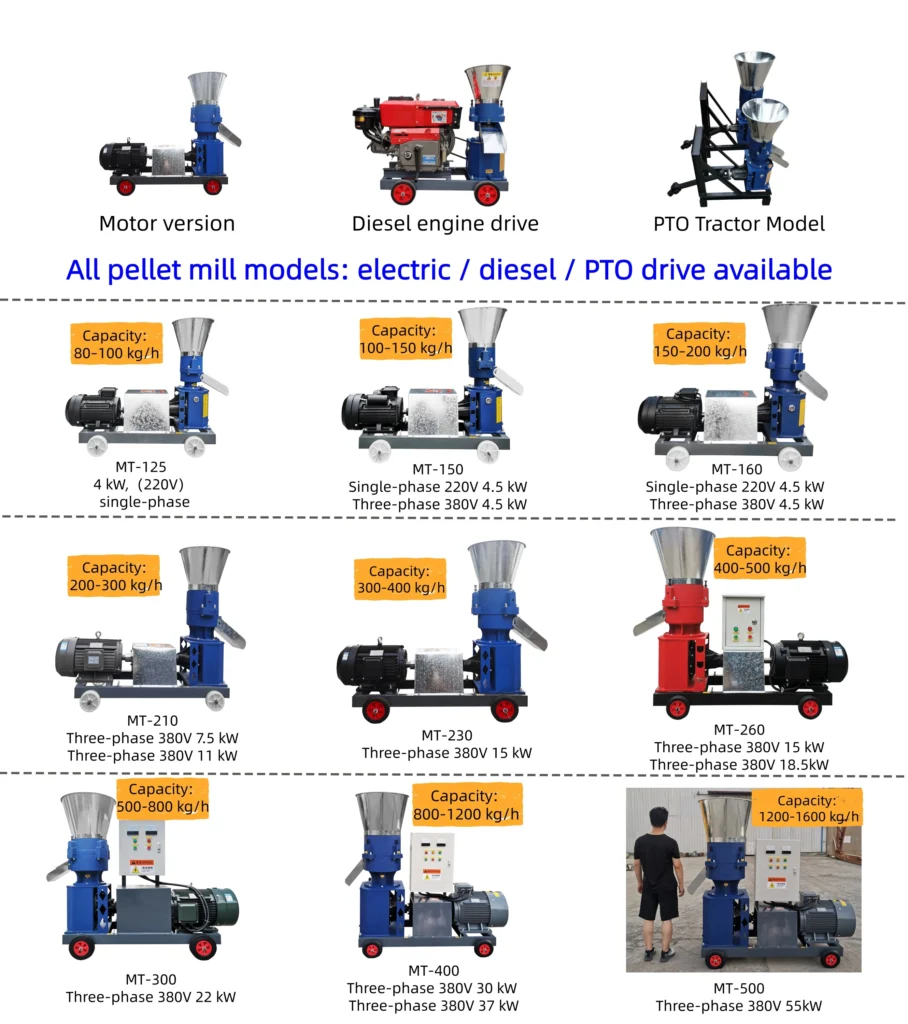
2. Output Capacity Range of Main Types Feed Pellet Machine
Output is calculated based on standard mixed feed with qualified moisture. The actual yield will fluctuate with raw material formula, moisture and operator skill.
- Small household feed pellet machine Output: 80kg/h – 500kg/h Best for small farms, family poultry, rabbit and sheep breeding.
- Medium commercial feed pellet machine Output: 500kg/h – 2 ton/h Suitable for medium livestock farms, small feed processing workshops.
- Large industrial feed pellet production line Output: 2 ton/h – 10 ton/h For professional feed factories, large-scale intensive breeding bases.
3. Tips to Stabilize Pellet Quality & Actual Output
- Keep raw material moisture within 12–18%. Too wet pellets get moldy easily; too dry leads to fragile broken pellets.
- Match the ring die hole size to your animals. Small holes for chicks and fish feed; larger holes for cattle, sheep and pigs.
- Clean machine rollers and die regularly to avoid blocking and maintain stable hourly output.
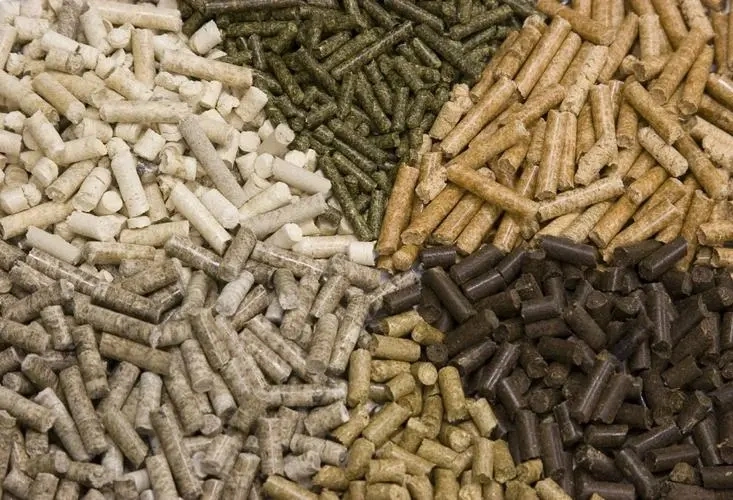
Final Summary
Before buying a feed pellet machine, confirm your raw material types and target hourly output first.
If you are unsure which model matches your breeding scale and raw materials, contact us for customized equipment recommendations.