
When starting a livestock feed pellet production project, most new farmers and small factory owners face the same confusion: choosing between a flat die feed pellet mill and a ring die feed pellet mill. Both machines can produce qualified animal feed pellets for cattle, sheep, chicken, and duck breeding, but they are completely different in structure, production capacity, investment cost, and applicable scenarios. Choosing the wrong model will lead to high power consumption, fast wear, and low production efficiency.
To help you make a cost-effective purchasing decision, this article will make a detailed comparison between flat die and ring die pellet machines from working principle, structural features, advantages and disadvantages, production cost, and applicable users.
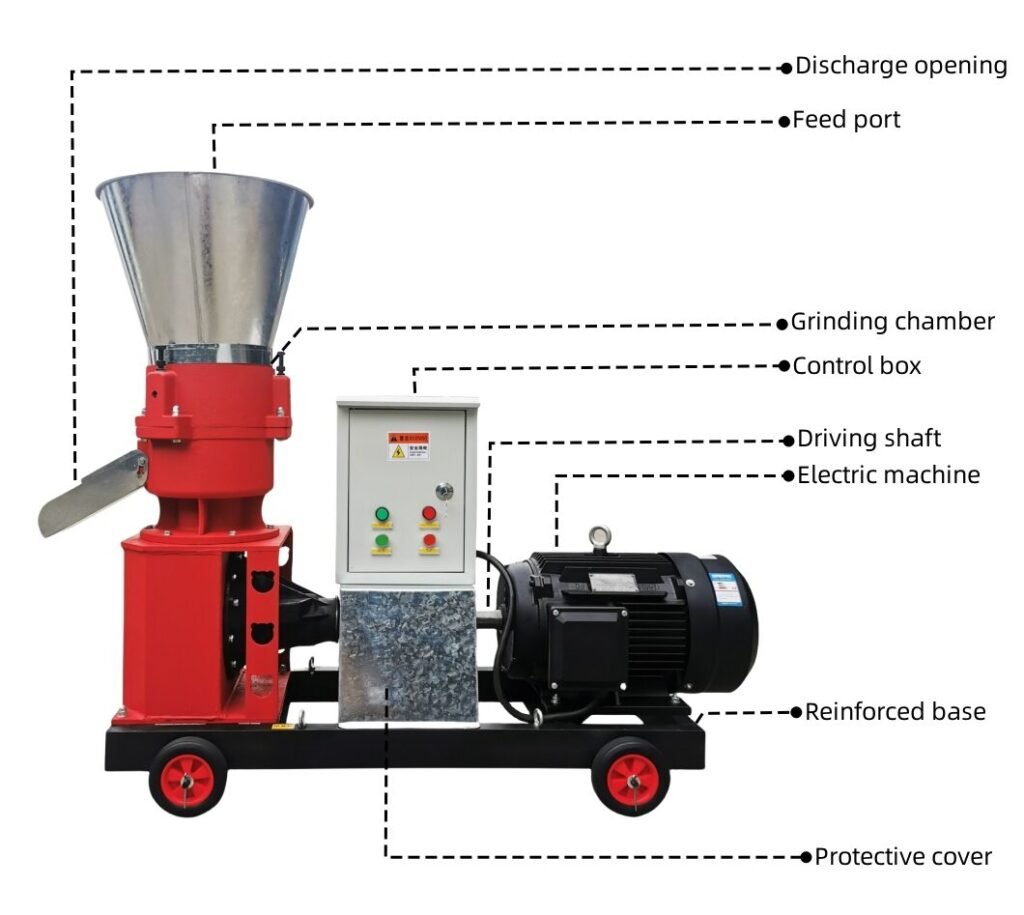
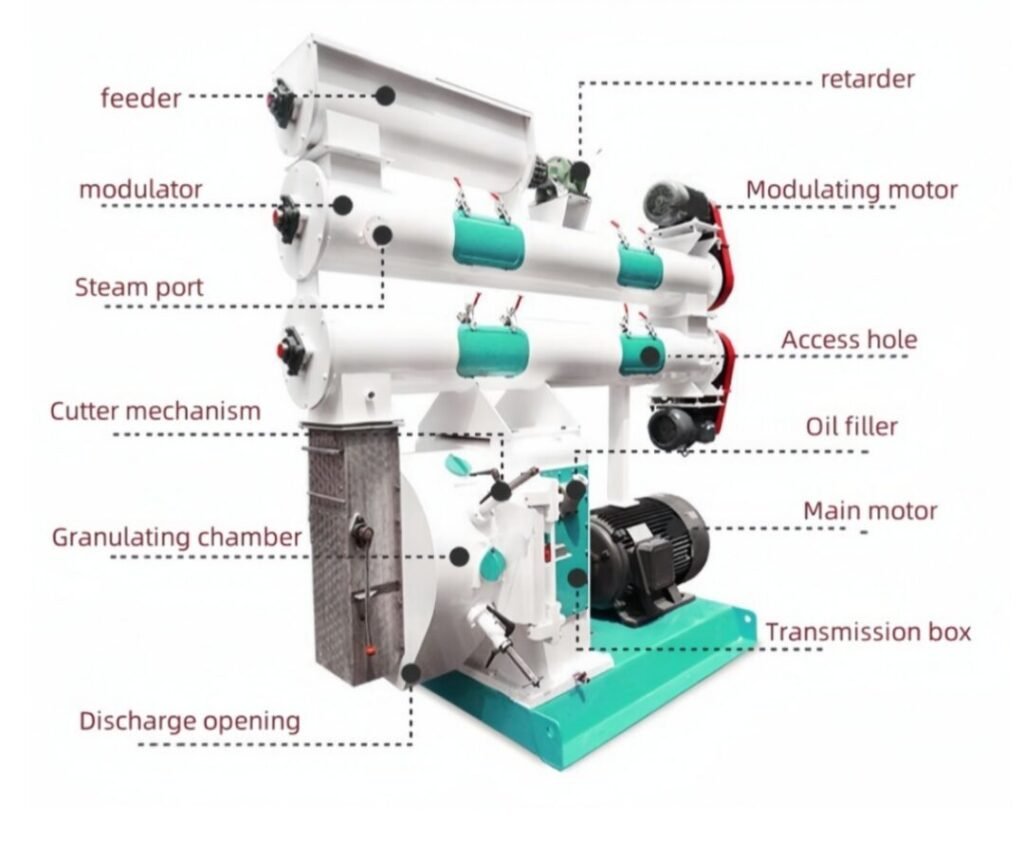
1. Working Principle & Structural Differences
The flat die feed pellet mill adopts a horizontal fixed die plate. The rollers rotate actively to squeeze various crushed feed raw materials through the die holes to form solid cylindrical feed pellets. The whole machine has a simple mechanical structure, few wearing parts, and does not require complicated installation and foundation fixation.
The ring die feed pellet mill uses a rotating circular ring die with fixed pressure rollers. The materials are pressed outward through the ring die holes. It belongs to industrial heavy-duty equipment, with a thickened body, stable operation, and higher overall structural strength.
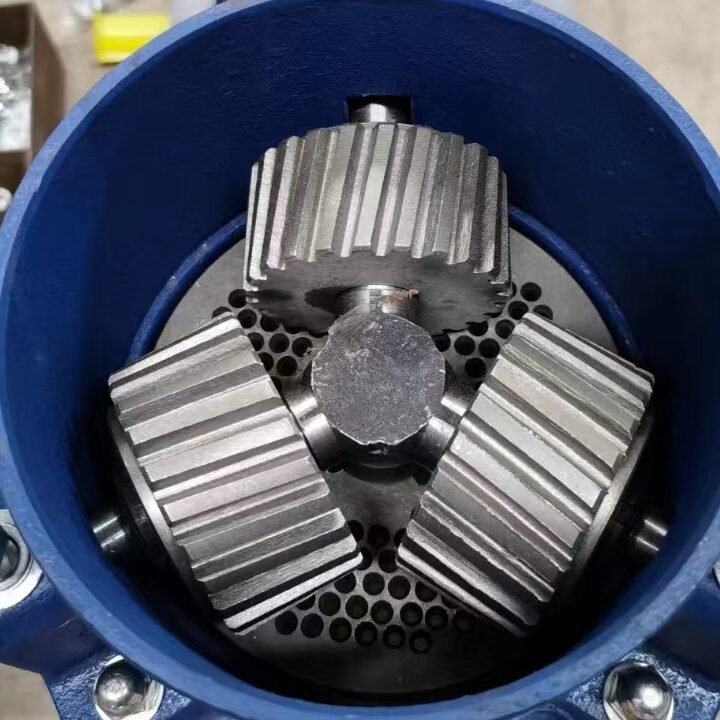
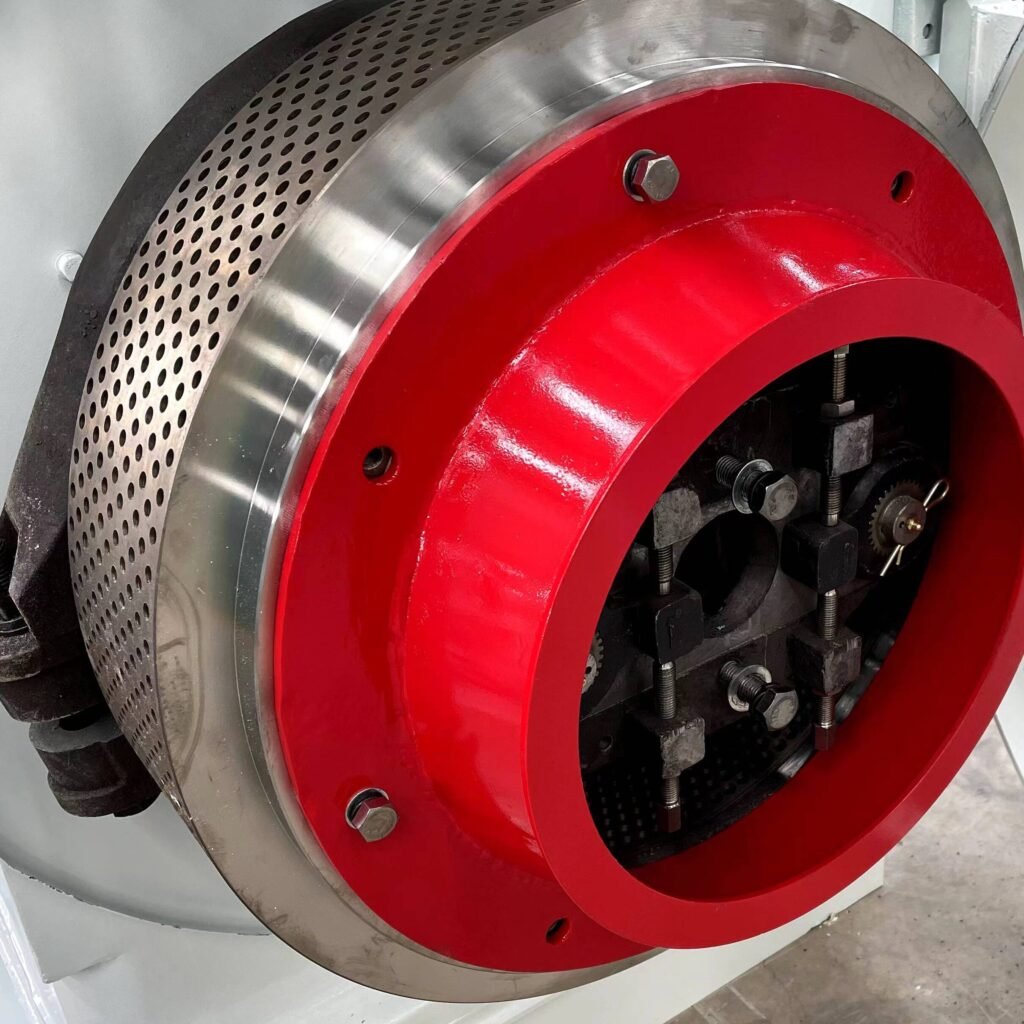
2. Core Advantages & Disadvantages
Flat Die Feed Pellet Mill
Flat die pellet machines are widely recognized as the most cost-effective feed processing equipment for small-scale production. Its biggest advantages are low price, small floor space, flexible operation, and convenient die replacement and daily cleaning. It is very suitable for intermittent production and frequent equipment shutdown maintenance.
The only shortcoming is that the continuous working capacity is limited. Long-term 24-hour uninterrupted heavy-load operation will accelerate the wear of the die plate and pressure rollers, resulting in reduced pellet forming rate.
Ring Die Feed Pellet Mill
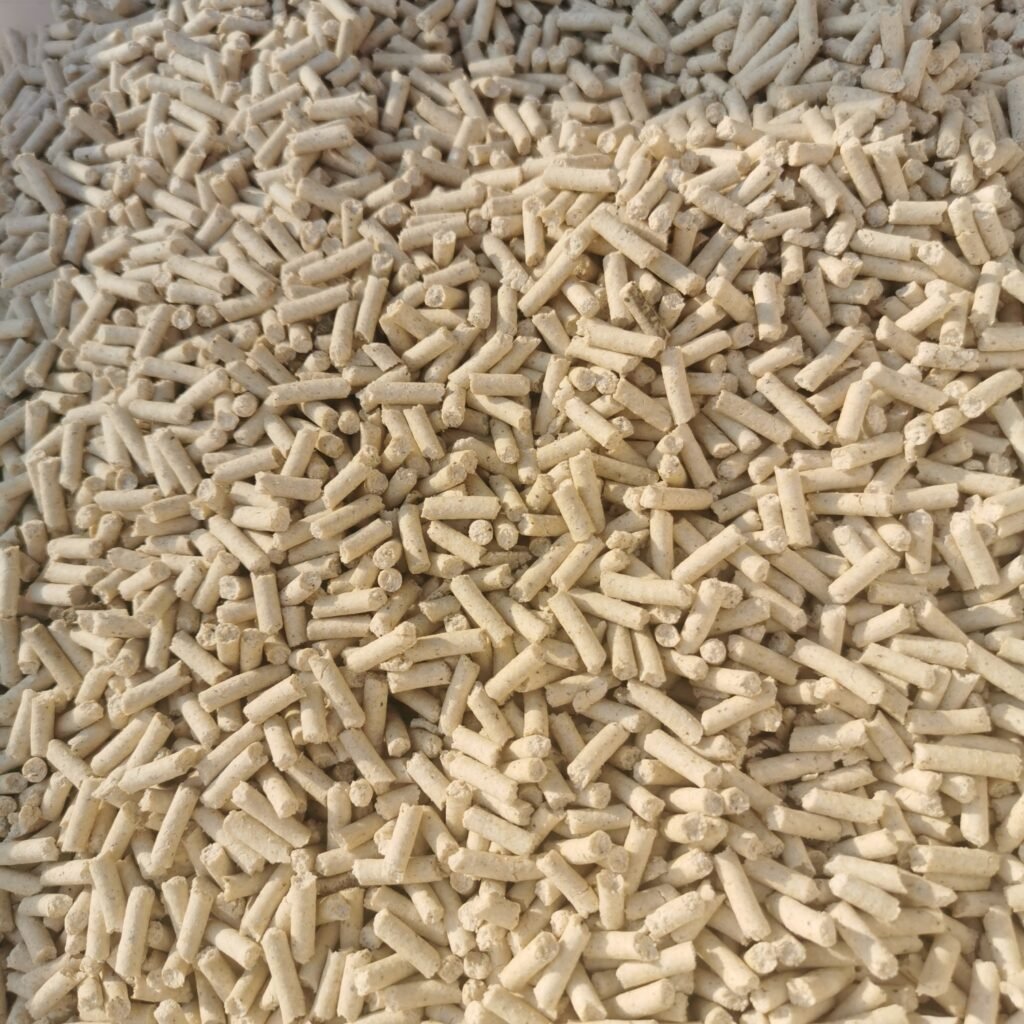
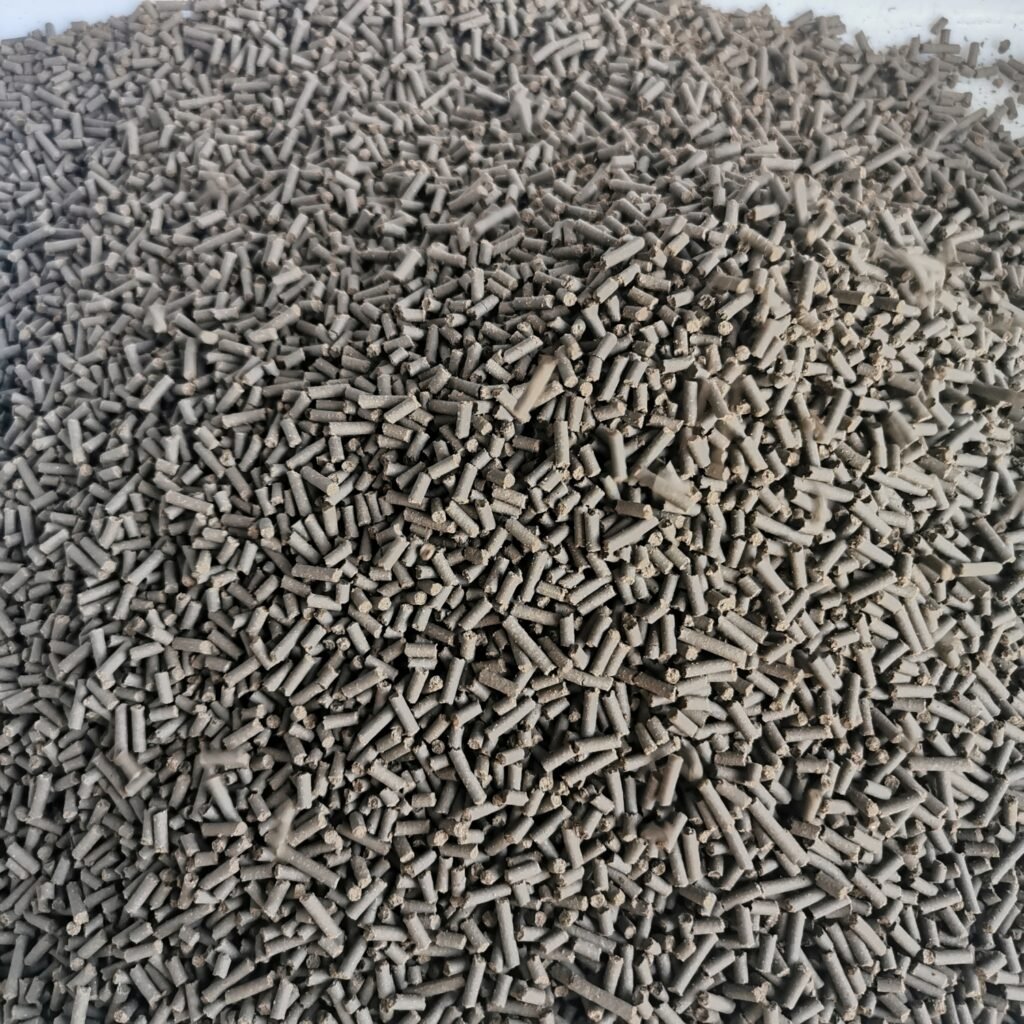
Ring die pellet mills support long-term continuous industrial production, with large output, uniform pellet density, and extremely low failure rate. The finished feed pellets have smooth surfaces and high hardness, which fully meets the production standards of commercial feed factories.
However, the disadvantages are obvious: high equipment investment cost, complex daily maintenance, difficult die replacement, and strict requirements on workshop site and installation foundation.
3. Applicable Raw Materials & Production Scenarios
Both machines can process conventional livestock feed raw materials, including corn flour, soybean meal, bran, alfalfa grass powder, crop straw powder, and mixed compound feed. The final feed pellets are suitable for chicken, duck, cattle, and sheep breeding.
The flat die model is more suitable for family farms, individual breeders, and small startup workshops with daily output below 2 tons and discontinuous production. The ring die model is specially designed for medium and large professional feed factories with stable large-volume orders and long-term continuous operation.
4. How to Choose the Right Model for Your Project
If you are a small breeder or new investor with a limited budget, intermittent production demand, and no need for super large output, the flat die feed pellet mill is your best choice. It balances low investment, low operating cost, and easy operation, perfectly matching small farm breeding needs.
If you plan to build a standardized large feed processing factory and pursue high output and long-term stable operation, the ring die feed pellet mill is more professional and durable.
5. Final Conclusion
There is no absolute difference between good and bad flat die and ring die pellet machines, only suitability for different production scales. For most individual farmers and small feed processing startups, flat die feed pellet mills have higher cost performance and lower investment risks.
Get Custom Solution for Your Feed Production
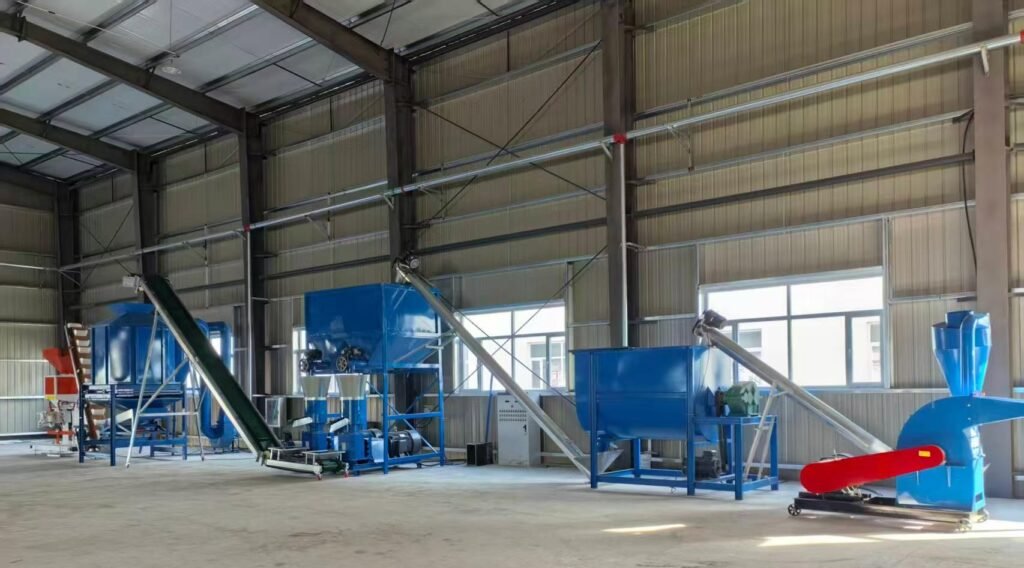
If you are looking for a reliable flat die feed pellet mill for your breeding farm, contact MORETHAN Machinery now. We provide professional model selection, production line layout design, and customized quotation services according to your raw materials, workshop size, and expected output.