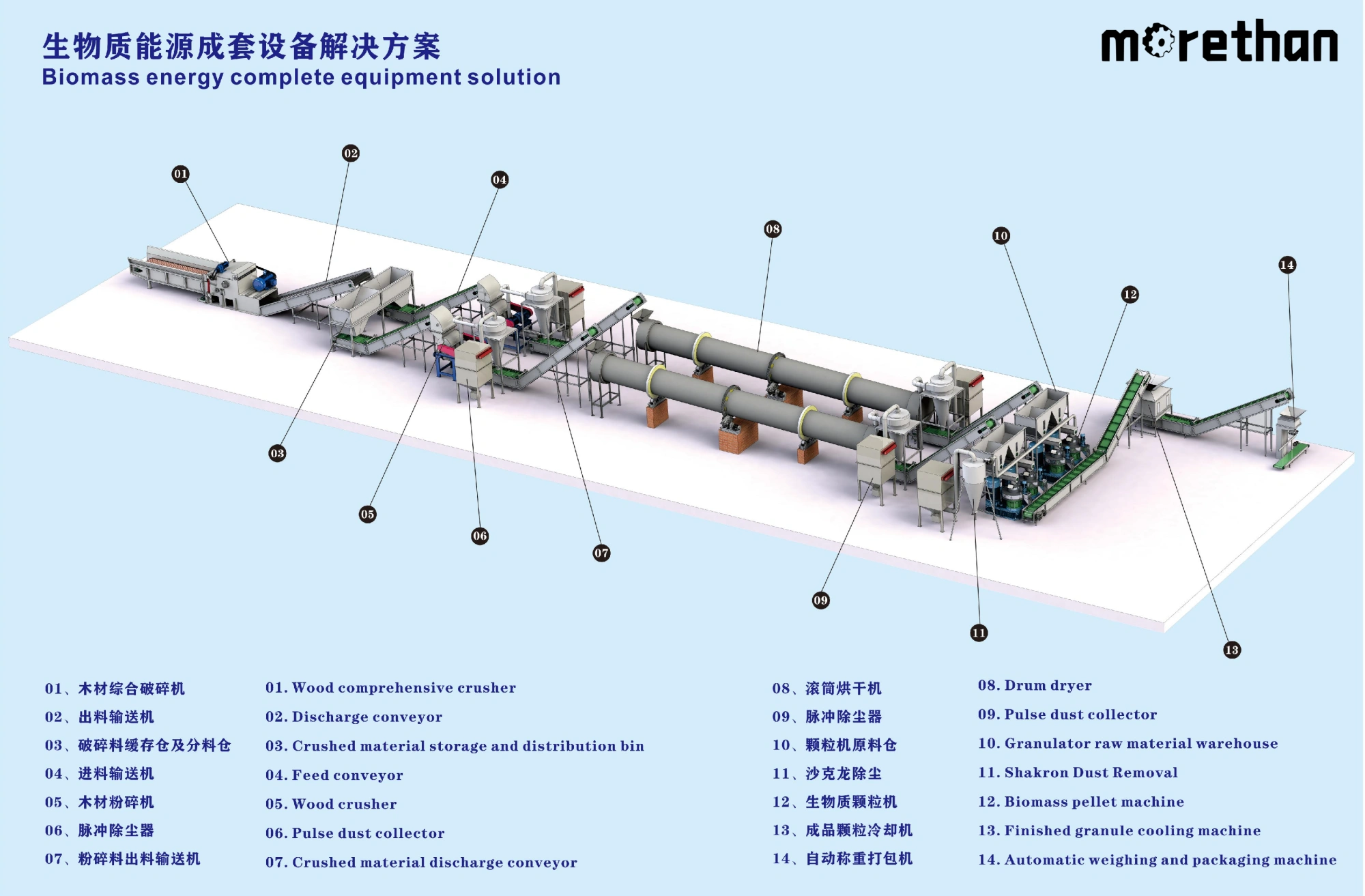
3D layout of a complete wood pellet production line, including crushing, drying, pelletizing, cooling and packaging equipment.
If you are planning to build a wood‑pellet manufacturing plant, one of your first and most‑asked‑questions will always be: how much will a full‑scale wood pellet production line cost in 2026?
Many new investors get confused by huge price gaps from different suppliers. Quotations can range from tens of thousands to millions of US dollars, even for production lines with the same hourly capacity.
This article breaks down real‑world pricing ranges, cost‑driving factors, hidden expenses you need to budget for, and practical advice to help you make a smart investment decision.
1. Standard Price Range by Production Capacity (Equipment‑Only Cost, 2026)
Model
Weight
Size
Capacity
Power
Parts
Price (USD)
300MTRD
600 kg
1270*630*1180 mm
0.2-0.4 t/h
22 kW
pelletizer , electric control cabinet
$3,300
400MTRD
1050 kg
1370*730*1280 mm
0.4-0.6 t/h
37 kW
$5,900
450MTRD
2500 kg
1800*1000*1780 mm
0.6-0.8 t/h
55 kW
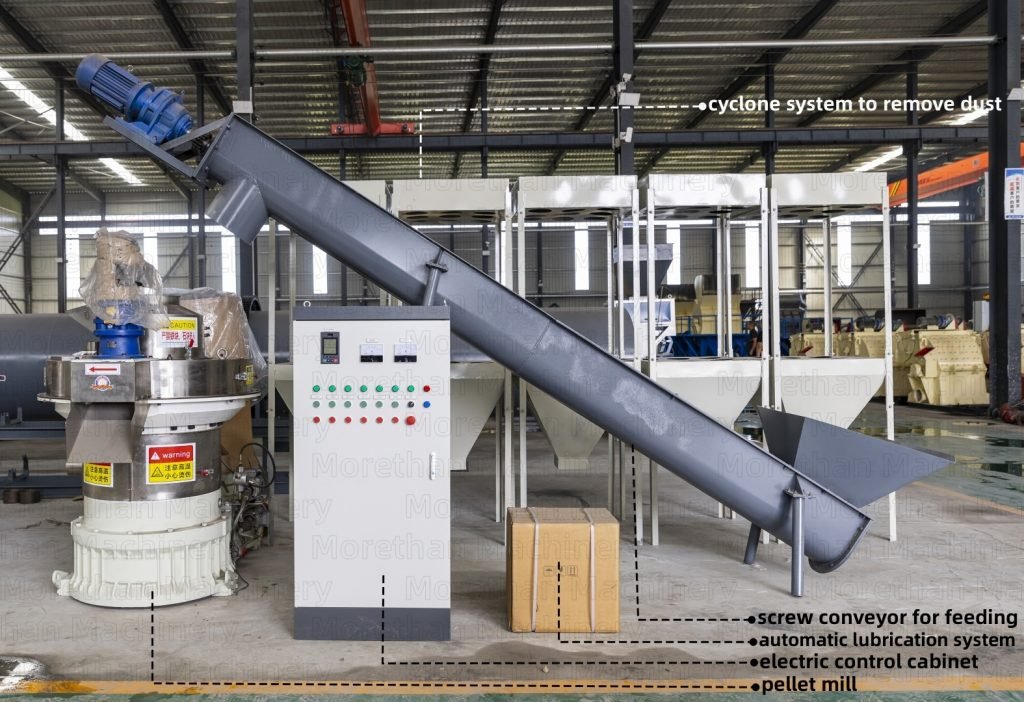
Complete set including : 1.pellet mill 2.cyclone system to remove dust 3.4 meter screw conveyor 4.electric control cabinet 5.automatic lubrication oil system
$13,000
470MTRD
4000 kg
1800*1100*1780 mm
0.8-1 t/h
75 kW
$14,000
560MTRD
5600 kg
2350*1500*1850 mm
1.2-1.5 t/h
90 kW
$17,000
600MTRD
6500 kg
2450*1600*1850 mm
1.8-2 t/h
110 kW
$18,000
650MTRD
7000 kg
2550*1700*1850 mm
2-2.5 t/h
132 kW
$20,000
700MTRD
8000 kg
2800*1800*1950 mm
2.5-3 t/h
160 kW
$26,000
760MTRD
8600 kg
2900*1850*2000 mm
2.8-3.2 t/h
185 kW
$28,000
850MTRD
9500 kg
3200*2200*2500 mm
3.5-4 t/h
220 kW
$40,000
880MTRD
10000 kg
3400*2500*2500 mm
4.5-5 t/h
250 kW
$55,000
Rev 1.0 | 2026-1-1
The table below lists prices for standalone ring‑die pellet mill main units only. This cost does not include chippers, dryers, conveyors, coolers or packaging machines for the full‑production line.
Below are realistic budget ranges for turn‑key wood pellet lines, based on our global project experience. These prices cover core equipment including chipping, crushing, drying, pelletizing, cooling, screening and automatic packaging.
Prices do NOT include factory building, land, local civil construction or logistics freight.
Small‑Scale Farm & Workshop Plant (0.5‑1 ton/hour) Equipment Investment: $10,000‑$20,000 Best choice for small farmers, local waste‑wood recycling businesses, beginners with limited startup funds. Flat‑die pellet mills are widely adopted in this segment.
Medium‑Scale Commercial Production Line (1‑3 ton/hour) Equipment Investment: $50,000‑$100,000 The most popular configuration for commercial pellet sales. Most projects use ring‑die biomass pellet mills, semi‑automatic or full‑automatic control systems. Stable output, good profit margin for regional fuel‑pellet markets.
Mid‑to‑Large Industrial Line (3‑6 ton/hour) Equipment Investment: $120,000‑$200,000 Fully‑automated PLC‑controlled plant, suitable for medium‑sized pellet manufacturers with long‑term supply contracts. Requires larger workshop space and continuous‑shift operation.
Important reminder: All prices above are reference ranges. Final quotations depend on your exact raw‑material condition and customized configuration.
2. Key Factors That Change Your Final Production‑Line Price
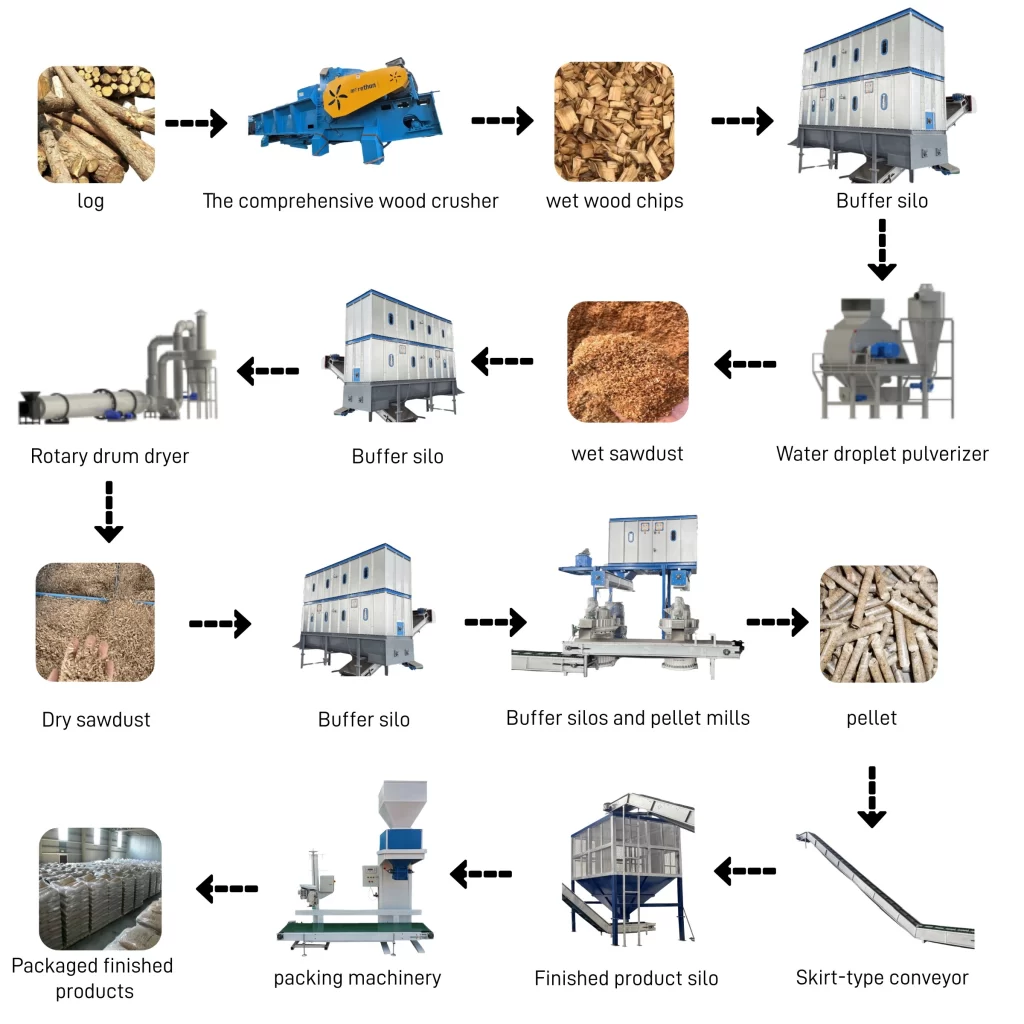
Complete workflow diagram of biomass pellet production line from raw material crushing to finished pellets packaging.
Even two projects with the same hourly output can end up with very different costs. These four factors create the biggest price differences:
2.1 Raw‑material moisture and quality
This is one of the most‑overlooked cost factors.
If your raw‑material is dry sawdust, moisture below 15%: you may skip or reduce drying equipment investment.
If you process fresh branches, wet bark, forest waste with moisture 25‑40%: you must add a large rotary dryer or airflow dryer, which will greatly raise your total budget.
2.2 Automation Level
Semi‑automatic line: Lower upfront cost, requires more workers during daily operation.
Full‑automatic PLC control system: Higher initial cost, cuts long‑term labor expenses and reduces human error in production.
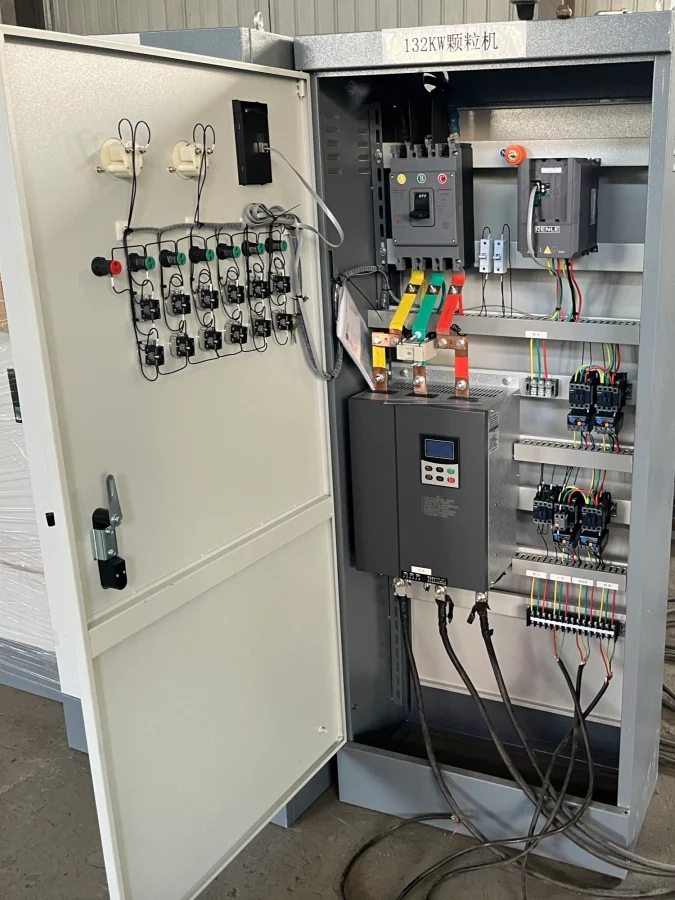
PLC automatic control cabinet for full‑automatic biomass wood pellet production plant.
Ring die pellet mill, core equipment of wood pellet production plant
2.3 Core Pellet Mill Type: Flat‑die VS Ring‑die
Flat‑die pellet mill: Lower price, fit for small‑scale, intermittent production.
Ring‑die pellet mill: Higher equipment cost, longer service life, higher continuous output, perfect for 24‑hour commercial production.
2.4 Extra Optional Equipment
Iron remover, waste‑material re‑circulating system, dust‑removal system, fully‑auto bagging and palletizing robot will add extra costs to your whole project.
3. Hidden Costs Most New Investors Forget to Budget
The price of machinery is only your first expense. Before starting your wood‑pellet business, remember these long‑term running costs:
Land & factory workshop construction cost
Shipping, customs clearance and local installation‑commissioning fees
Monthly raw‑material purchasing cost (usually 40%‑60% of total production expense)
Electricity, labor, spare‑parts and daily maintenance costs
4. Low‑Price Trap: Why You Should Not Chase The Cheapest Quotation
On the market, you may find surprisingly low‑cost wood‑pellet lines. Please be cautious. Ultra‑cheap equipment usually comes with thinner steel, low‑quality motors, poor heat‑treatment for ring‑dies. These machines suffer frequent breakdowns, short service life, high spare‑part replacement cost, and they can ruin your production schedule and profit in the long‑run.
Choosing a reliable machinery manufacturer with proven overseas project cases will save you far more money in after‑sales and operation.
5. Next Step: Get Your Customized Budget
Every wood‑pellet project is unique. If you want to receive an accurate quotation for your wood pellet production line, please prepare these basic information before contacting machinery suppliers:
Expected hourly production capacity
Your raw‑material type (sawdust, wood branches, straw etc.)
Initial moisture content of raw‑material
Preferred automation level
Local power‑supply condition
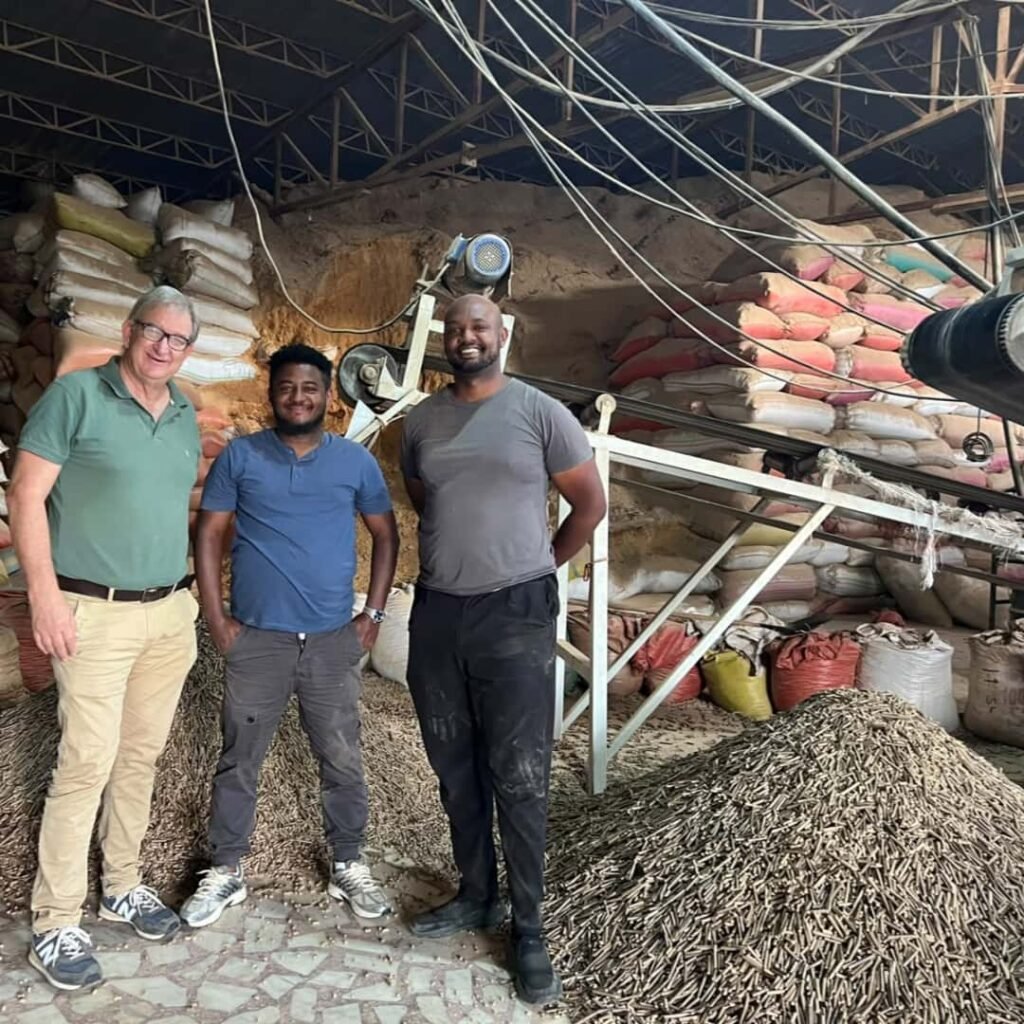
Successful biomass pellet production‑line project, customer site in Ethiopia with finished wood pellets.
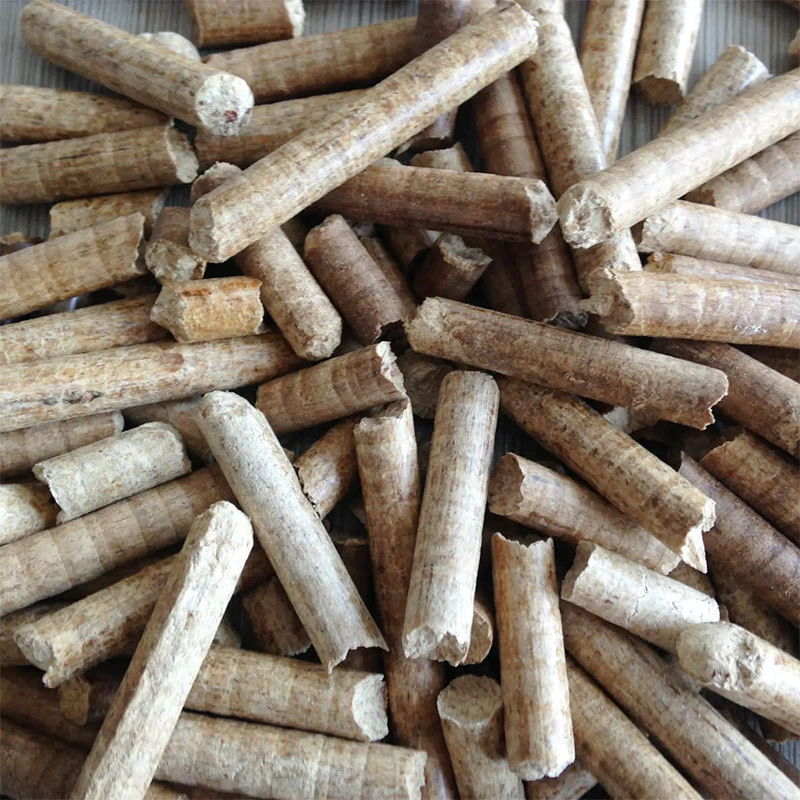
High‑quality finished biomass wood pellets produced from our complete pellet production plant.
If you are ready to discuss your biomass‑pellet plant investment, welcome to contact our team for a free, tailored project solution and quotation.