
Choosing the right oil‑extraction machine is one of the most important decisions for edible‑oil processing factories, small oil mills and farm‑based production projects. Screw oil press, bar‑row oil press and hydraulic oil press are three mainstream oil‑making equipment widely used on the market. Many buyers feel confused when selecting among them. In this article, we will break down their core differences, strengths, weaknesses and suitable‑application scenarios, helping you pick the most cost‑effective machine for your project.
1. Working Principle
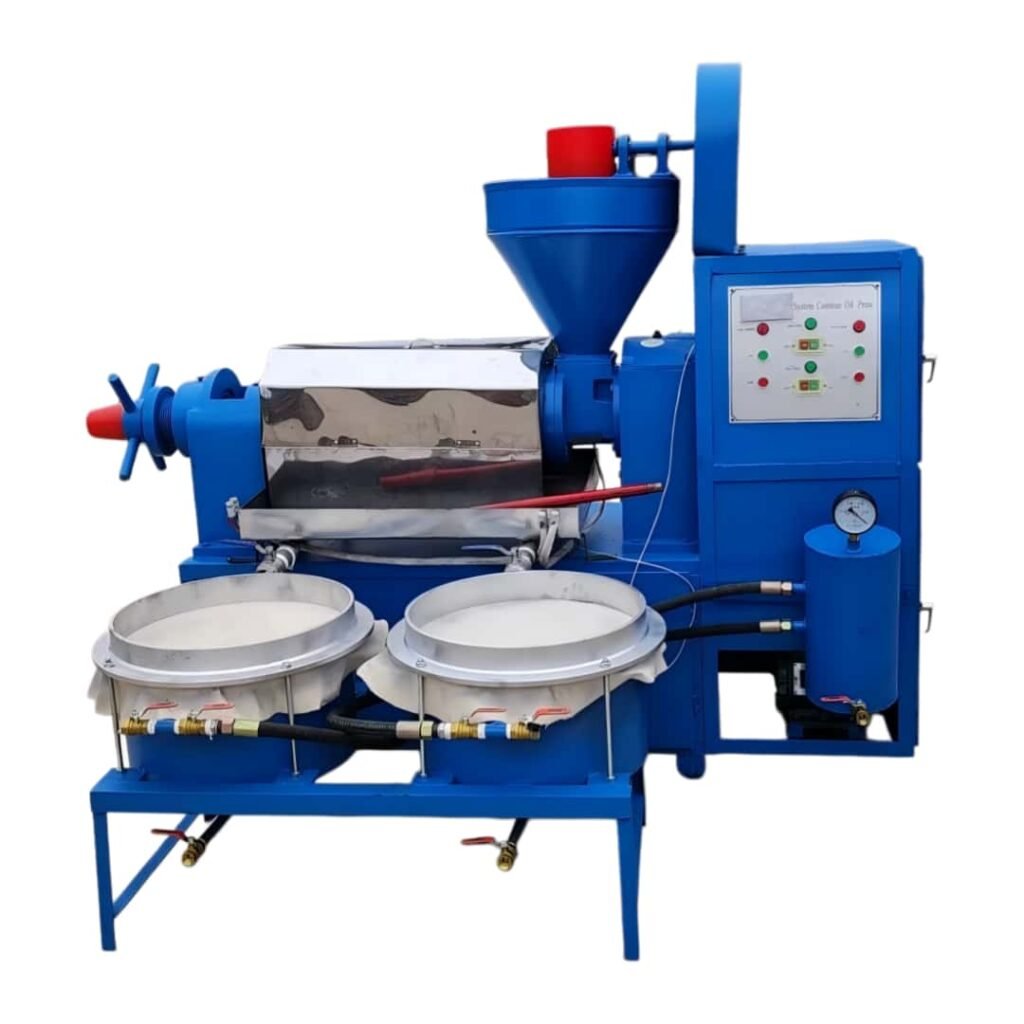
Screw Oil Press
The screw oil press squeezes raw materials continuously by rotating screw shafts inside the pressing chamber. Seeds are pushed forward and compressed under strong friction and extrusion force, so oil flows out from the gaps. It supports 24‑hour non‑stop continuous production.
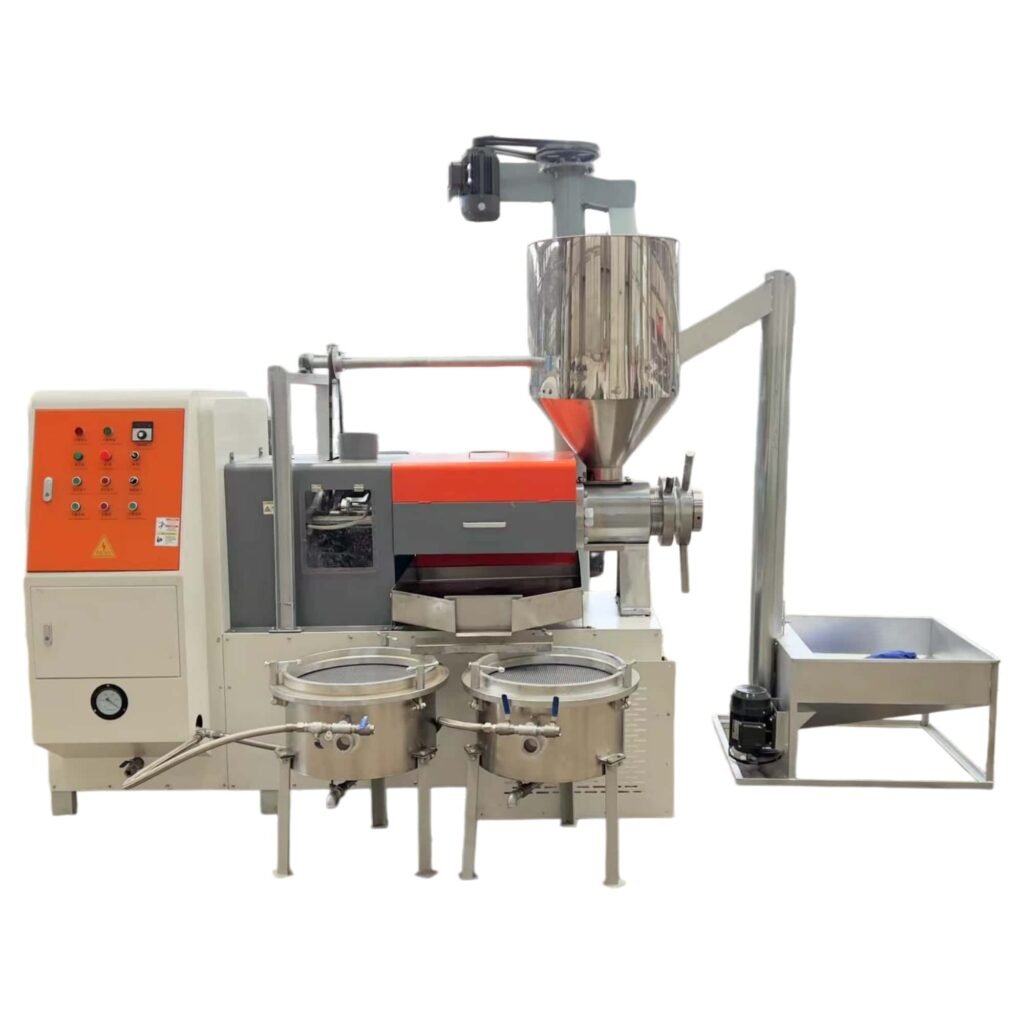
Bar‑row Oil Press
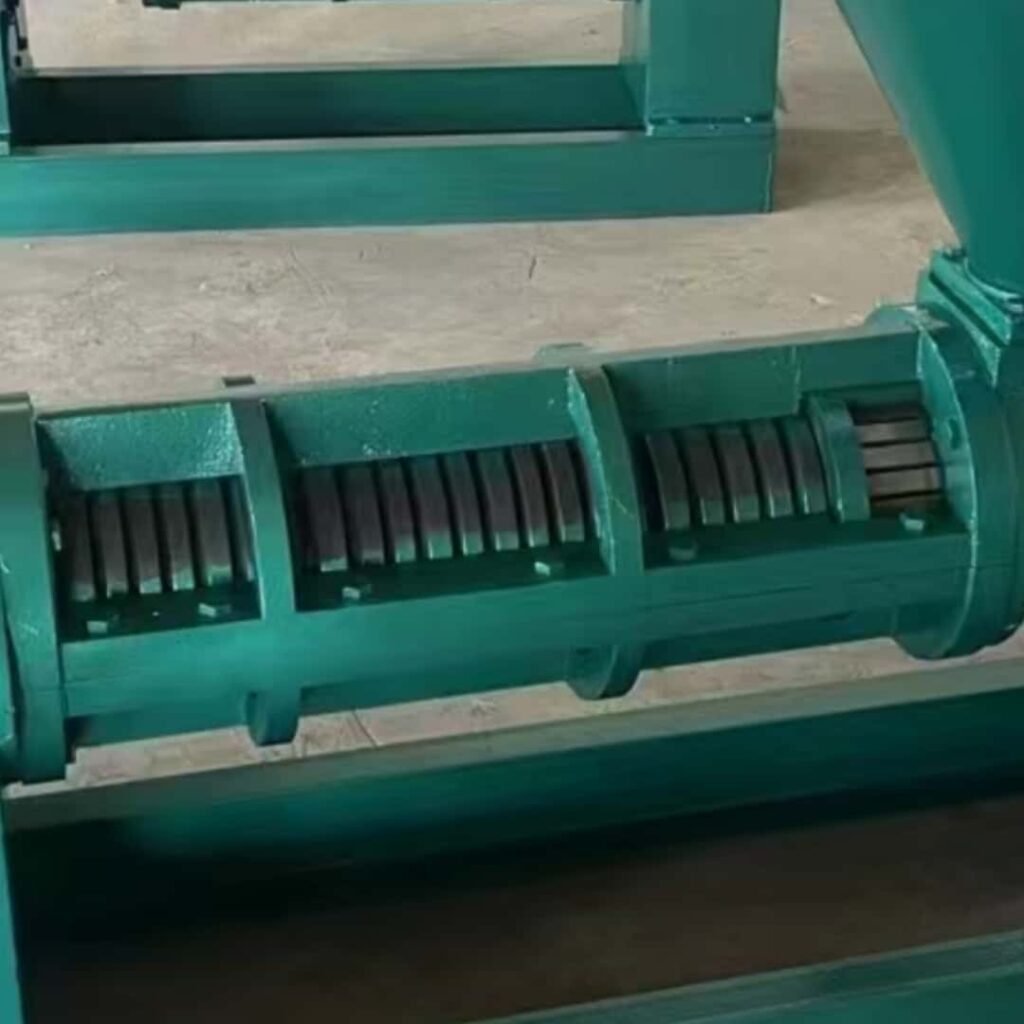
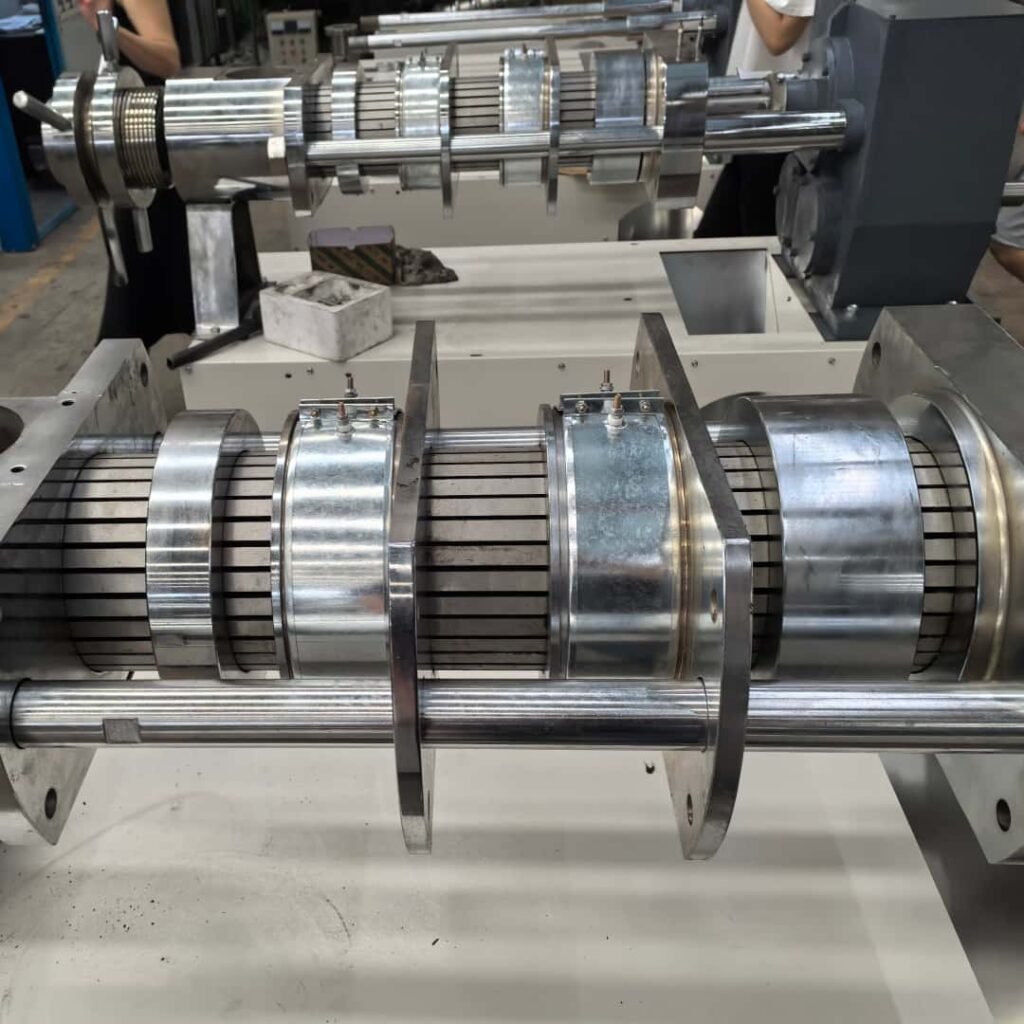
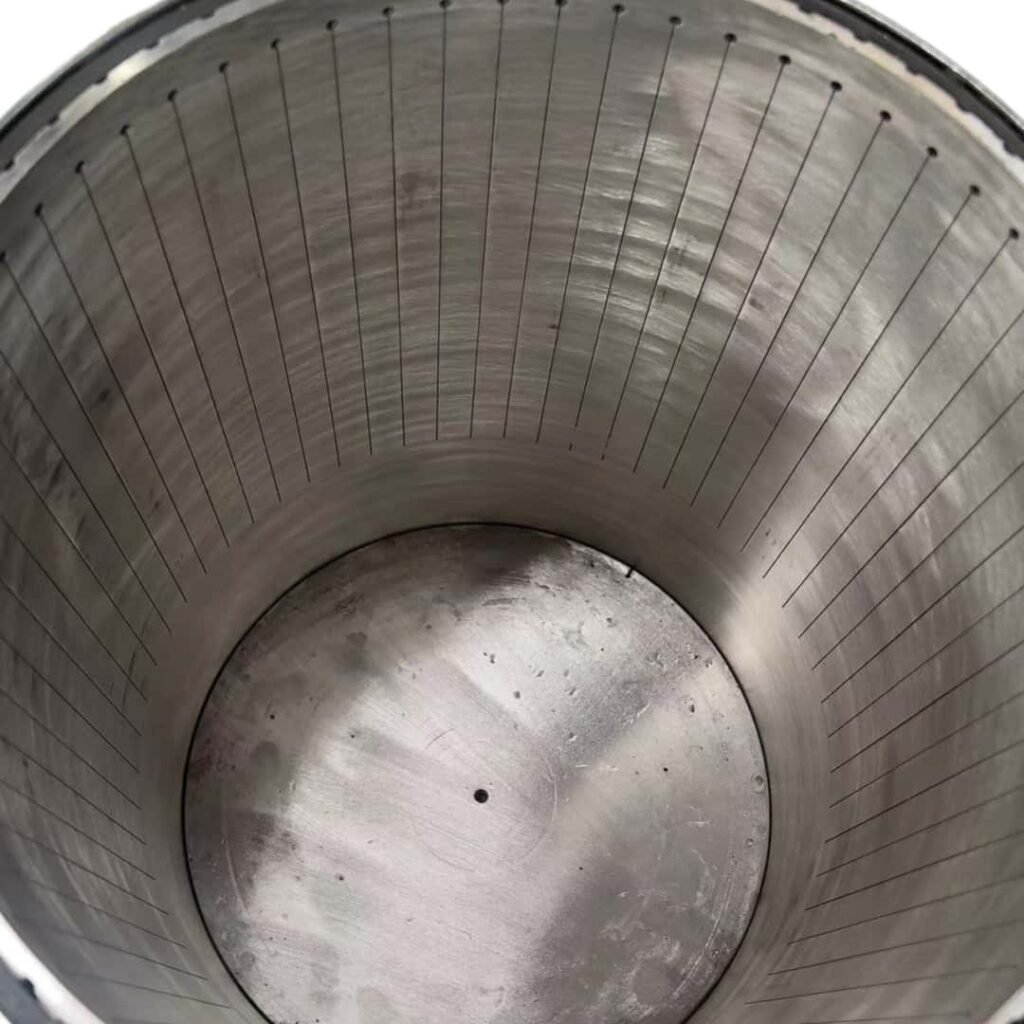
The bar‑row oil press belongs to an upgraded subtype of screw oil‑press equipment. Its pressing cage is assembled with separate steel bars rather than an integrated ring die. Oil drains faster through gaps between the bars. It is also a continuous‑extrusion screw‑type machine.
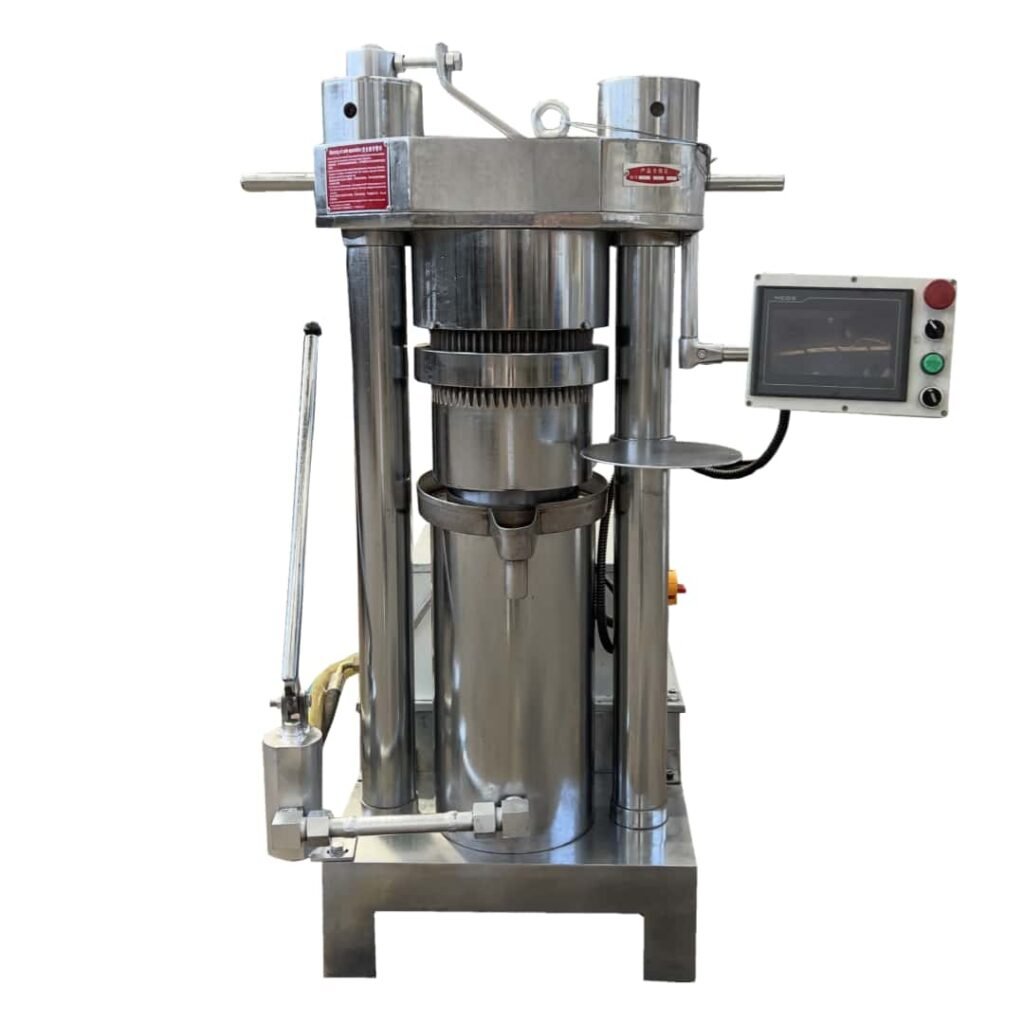
Hydraulic Oil Press
Hydraulic oil presses work with high‑pressure hydraulic cylinders. Oil materials are placed inside pressing trays, and slow static pressure squeezes oil out of raw seeds. It belongs to batch‑type intermittent production equipment, one load at a time.
2. Core Advantages
Screw Oil Press
‑ Fully continuous production, high working efficiency, large hourly output ‑ Wide raw‑material compatibility: sunflower seed, peanut, soybean, rapeseed, sesame and so on ‑ Low‑labor operation, suitable for large‑scale commercial oil mills ‑ Can work together with roasting machines, filters and full oil‑processing production‑lines
Bar‑row Oil Press
‑ Faster oil‑discharging speed, lower residual‑oil rate inside pressed cake ‑ Not easy to get blocked during squeezing ‑ Good heat‑dissipation performance, oil quality stays stable during long‑time running ‑ Very good‑cost performance for medium‑capacity oil workshops
Hydraulic Oil Press
‑ Low squeezing temperature, cold‑pressing technology keeps natural nutrition inside crude oil ‑ Less damage to protein inside oil‑seed cakes ‑ Low noise, simple operation, few wearing spare‑parts ‑ Ideal for high‑value oil materials: sesame, walnut, almond, camellia‑seed
3. Disadvantages & Limitations
Screw Oil Press
‑ High‑speed friction generates extra heat; it is not recommended for pure cold pressing of high‑value seeds ‑ Screw shaft and gear parts need regular wear‑part replacement
Bar‑row Oil Press
‑ Higher price than ordinary integrated‑cage screw oil‑press ‑ Still produces friction heat, not suitable for full cold‑press projects
Hydraulic Oil Press
‑ Batch‑type working, slow production speed, much lower hourly capacity ‑ Longer pressing cycle, not fit for large‑volume mass‑production lines ‑ Cannot run continuously for 24‑hour shifts
4. Suitable‑buyer Recommendation
‑ Pick Screw Oil Press: If you run a commercial‑scale oil mill, require high‑output, long‑hour continuous work and process various common oil seeds. ‑ Pick Bar‑row Oil Press: If you need improved oil yield, long‑time stable running and medium‑scale workshop‑level production, a cost‑effective upgrade over standard screw machines. ‑ Pick Hydraulic Oil Press: If your main raw materials are high‑value nuts & seeds, you prioritize cold‑pressed, high‑quality edible oil, and your daily output demand is not huge.
Final Conclusion
There is no universal “best‑for‑all” oil‑press machine. Your raw‑material types, required daily capacity, hot‑press or cold‑press demands and final‑oil‑quality standards will decide which equipment fits your business best. If you are planning to build a complete edible‑oil production line, welcome to contact our team for customized professional solutions.