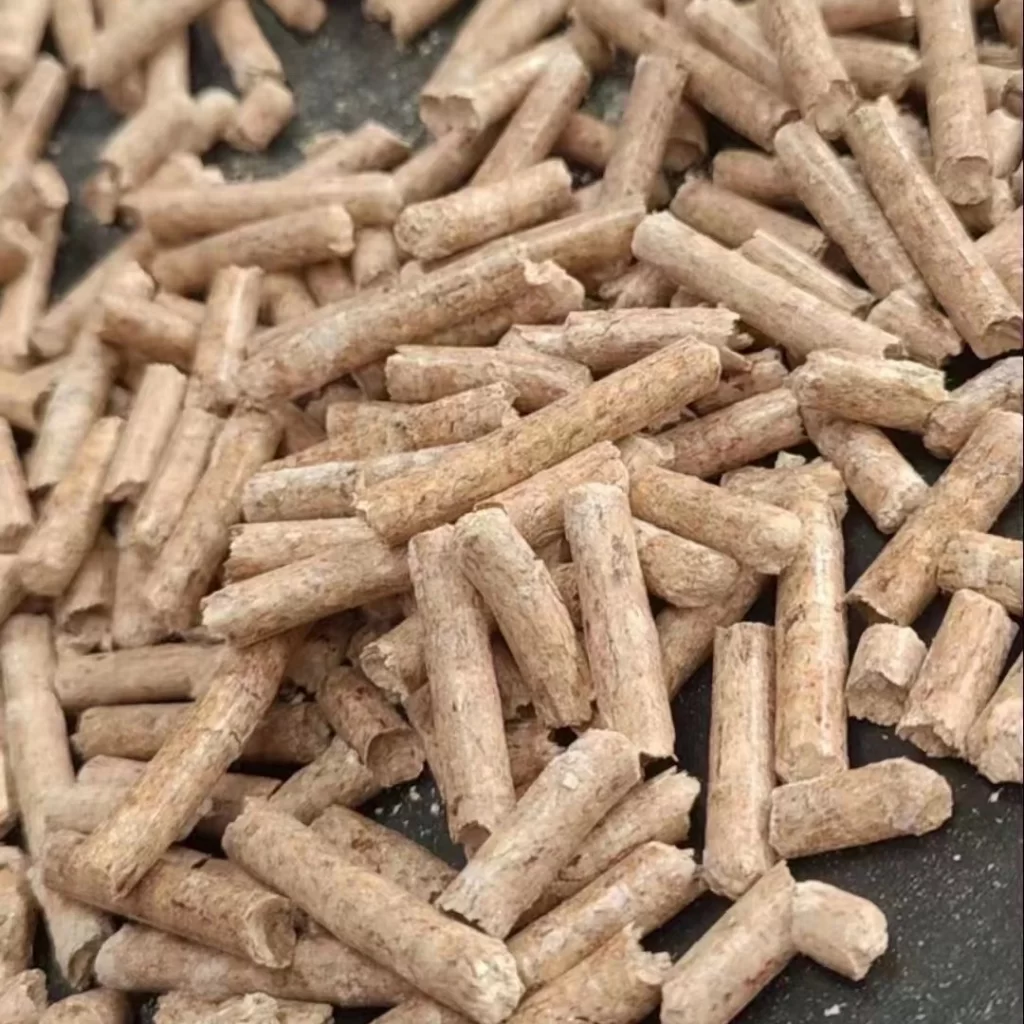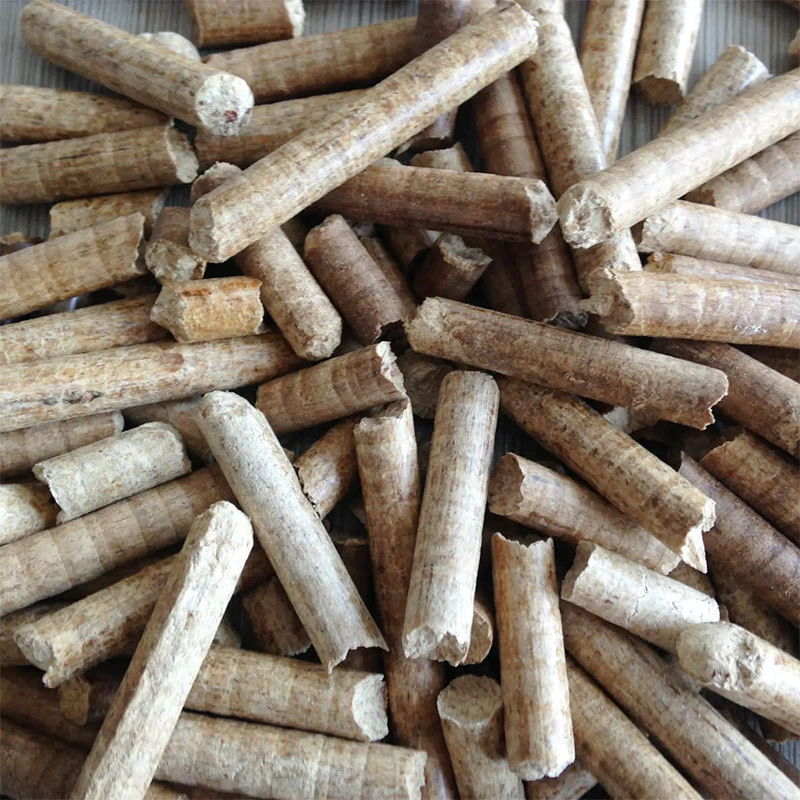
When you are ready to launch your biomass pellet production business, picking the right pellet‑making machine is one of the most critical investment decisions you will make. Both ring‑die and flat‑die pellet mills convert wood sawdust, wood chips, straw, rice husk and agricultural waste into high‑density fuel pellets. However, performance gaps between them are much larger than many new buyers expect. A wrong selection may lead to low pellet quality, frequent spare‑part breakdowns, extra electricity bills and wasted capital investment.
1. Differences in Working Principle
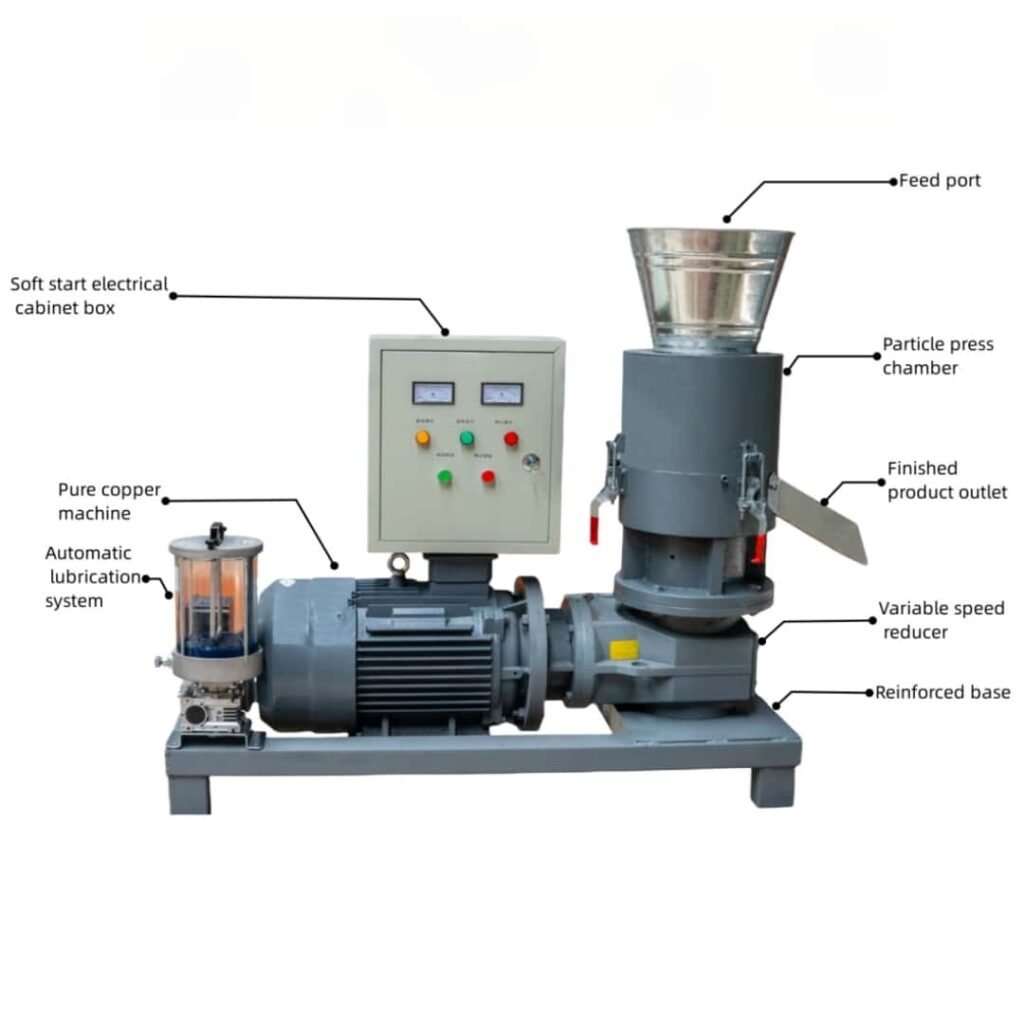
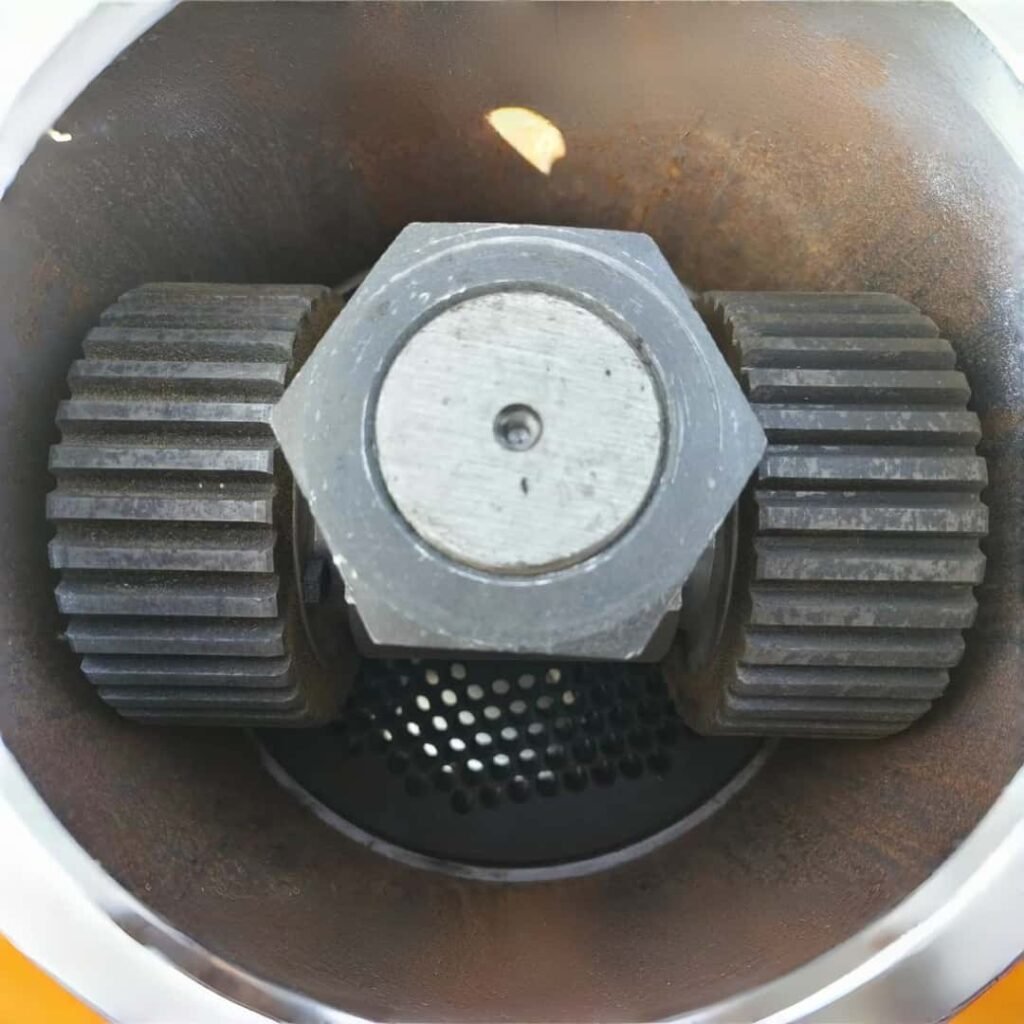
The flat‑die pellet mill adopts a downward‑pressing structure. Its die plate stays fixed, while rotating rollers squeeze raw materials vertically through holes on the flat die. This compact design requires fewer feeding accessories and suits simple workshop layouts.
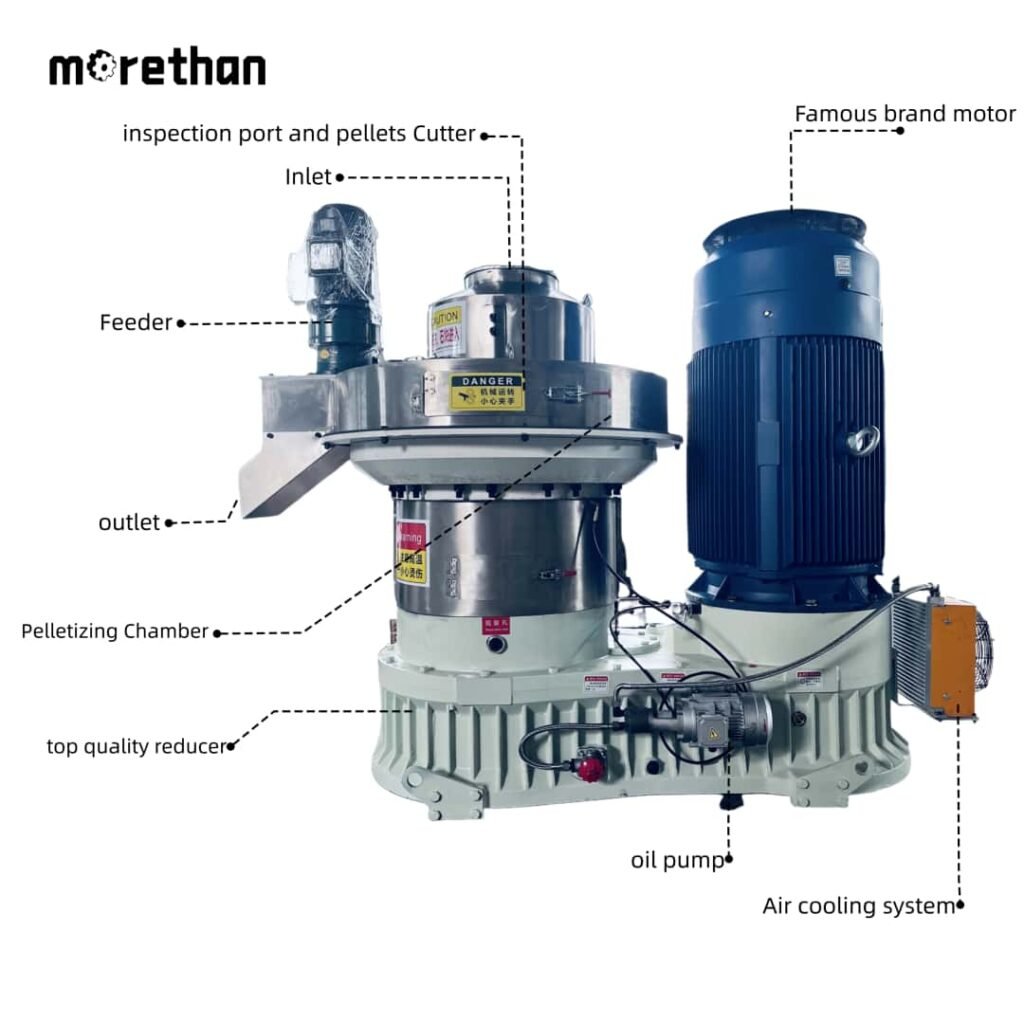
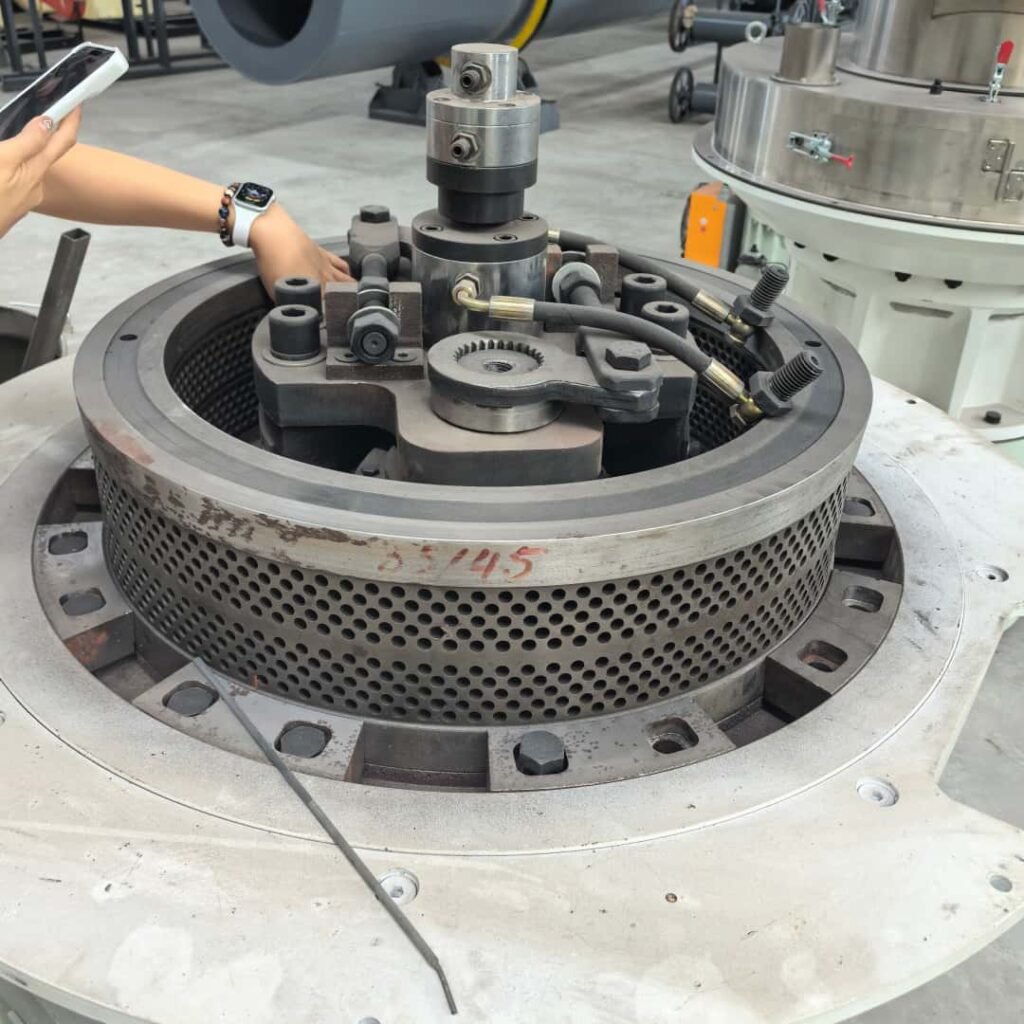
A ring‑die pellet mill works with an opposite extrusion logic. The circular ring die rotates, and inner rollers push materials outwards through die holes on the inner wall. Raw materials receive strong centrifugal force inside the compression chamber, delivering far‑reaching extrusion pressure.
2. Output & Production Scale
Flat‑die pellet machines are designed for small‑scale and intermittent production. Their normal output ranges from 100 kg/h to 1.5 tons per hour. They are an economical fit for small farms, family‑run workshops, and startup investors who do not plan round‑the‑clock manufacturing.
Ring‑die pellet mills are industrial‑grade continuous‑production equipment. Usable capacity starts at 2 tons per hour and can go above 10 tons/h for large‑scale turn‑key pellet plants. If you aim for 8‑16‑hour non‑stop shifts and stable bulk supply for fuel markets, ring‑die models are the preferred option.
3. Raw‑Material Compatibility
Flat‑die pellet mills perform best on light, loose and soft‑fiber biomass materials, such as fresh sawdust, grass, straw and rice husks. Due to limited compression pressure, hard‑fibered feedstock like hardwood branches and bark often needs binders to form qualified pellets.
Ring‑die pellet equipment delivers powerful extrusion force. It can compress hard‑wood chips, tree bark, branches and mixed waste materials into firm pellets, in most cases without adding any binder. This wider raw‑material tolerance brings more flexibility for long‑term production.
4. Spare‑parts Cost & Long‑term Maintenance
Rollers and dies are the main wearing parts for both pellet‑making machines.
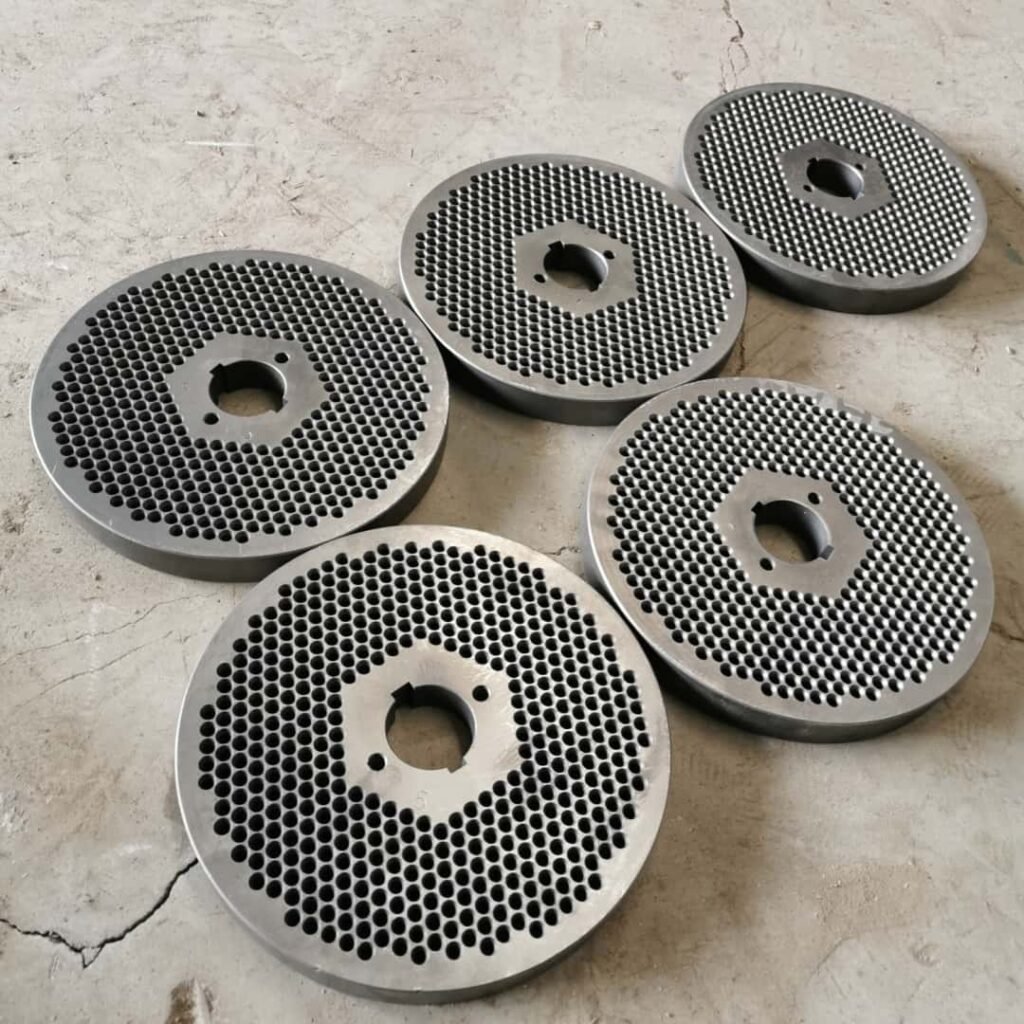
Flat‑die plates wear faster under heavy‑duty, long‑hour production. Though a single flat‑die plate costs less, frequent replacements will raise your operating expense if you process hard biomass every day.
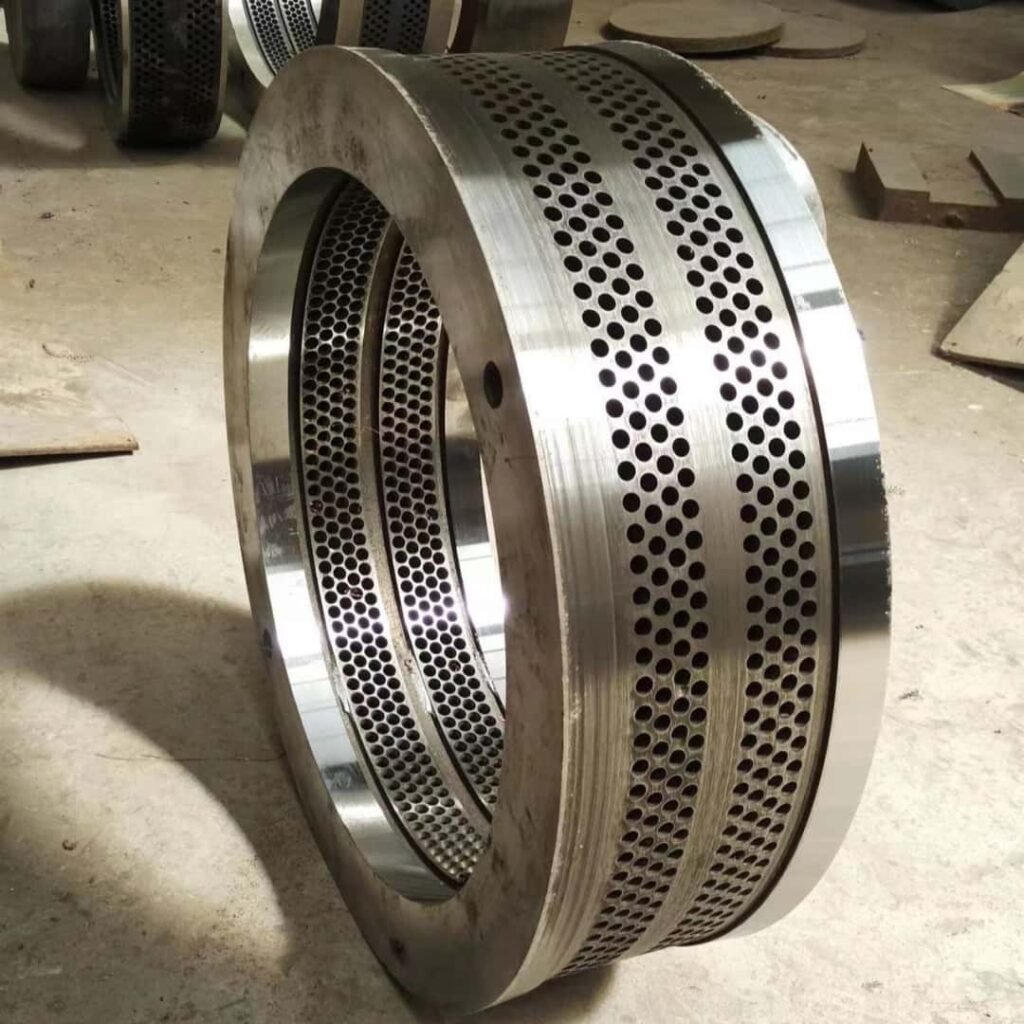
Ring dies carry a higher one‑off purchase price. However, they feature a much longer service life. For large‑volume, long‑run production, ring‑die machines usually cut down your overall cost per ton of finished pellets. Many industrial clients overlook this long‑term saving when comparing initial prices.
5. Power Consumption
At the same hourly‑output level, flat‑die pellet mills consume less power. Their simple transmission system reduces energy loss, making them cost‑effective for occasional small‑batch runs.
Ring‑die pellet production lines require higher installed total power. Even so, when working at full load continuously, their energy cost per ton of pellets becomes highly competitive.
6. Who Should Buy Flat‑Die or Ring‑Die Pellet Mills
Flat‑die pellet mill is your better choice if:
- Your target hourly output is below 1.5 tons
- You have a limited initial investment budget
- Raw‑materials are soft‑fiber biomass: sawdust, grass, straw
- You run intermittent production instead of daily non‑stop shifts
- You are a small‑farm operator, home processor or new project investor
Ring‑die pellet mill is your better choice if:
- You need continuous industrial production of 2 tons per hour or more
- Hardwood, bark or difficult‑to‑compress waste will be your main feedstock
- You intend to build a fully‑automatic, complete biomass pellet plant
- You plan to supply large‑volume fuel pellets to commercial buyers on a long‑term contract
Final Verdict
There is no universal “best” pellet mill for every biomass project. Flat‑die and ring‑die machines serve different business goals. Small‑scale, off‑and‑on producers usually get better returns from flat‑die equipment. For commercial‑grade, high‑capacity and long‑term pellet‑making operations, ring‑die pellet mills deliver stronger stability and lower long‑run costs.
If you are still unsure which solution fits your project, send us details of your raw‑material type, moisture content and expected hourly output. Our technical team can recommend the most cost‑effective pellet mill for you.