
If you are stepping into the biomass charcoal business, you may wonder what makes high-quality charcoal stable and consistent. The answer starts with a reliable briquette extruder. Many investors mistakenly treat briquette extruders and carbonization furnaces as one machine, but they are two independent, sequential core units that determine the final charcoal yield and quality.
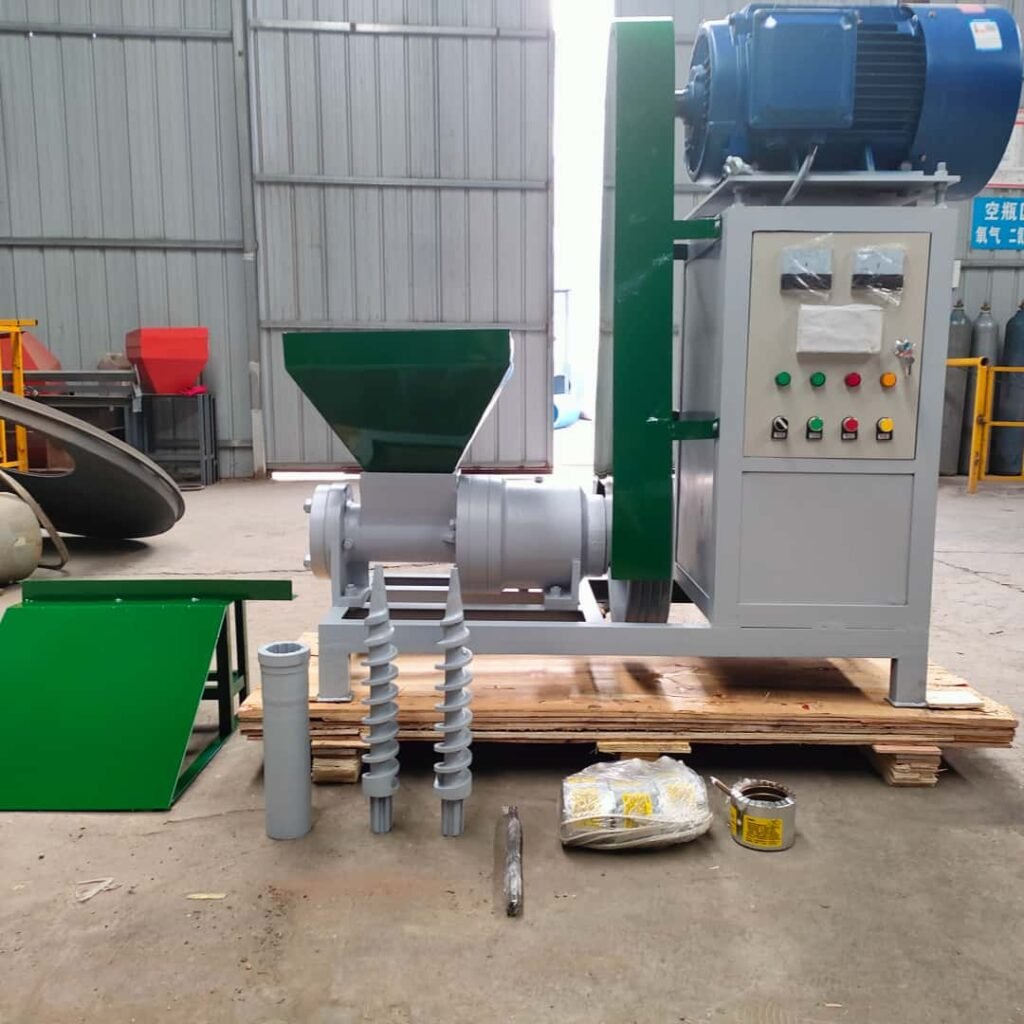
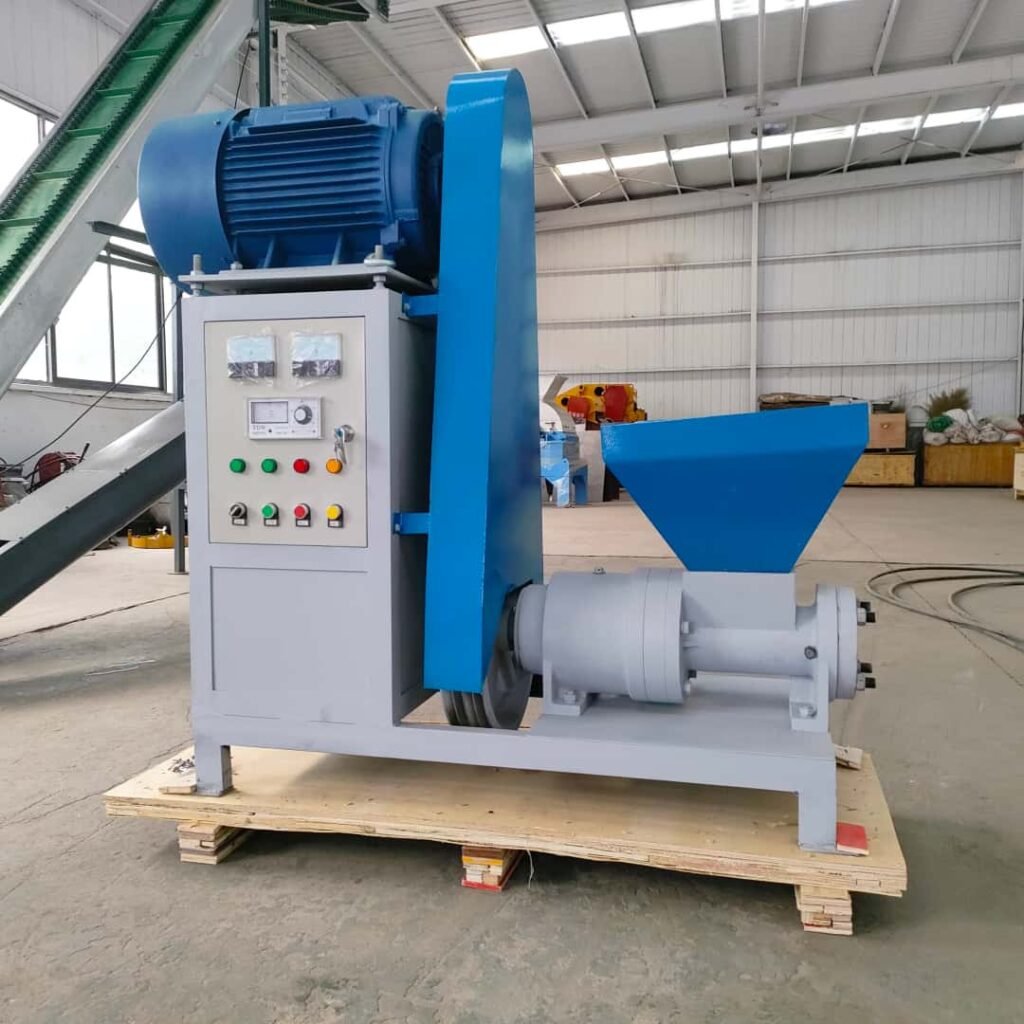
Raw material adaptability is one of the key factors for long-term stable production. This briquette extruder is engineered for dry lignocellulosic biomass feedstock, including sawdust, bamboo shavings, rice husk, peanut shell, sunflower seed shell, corn stalk, cotton stalk and other crop residues. A critical threshold you cannot ignore: raw material moisture must be controlled within 8%-12%. Excess moisture will trigger cracking, deformation and low density of green rods, which will lead to massive waste in the subsequent carbonization stage.
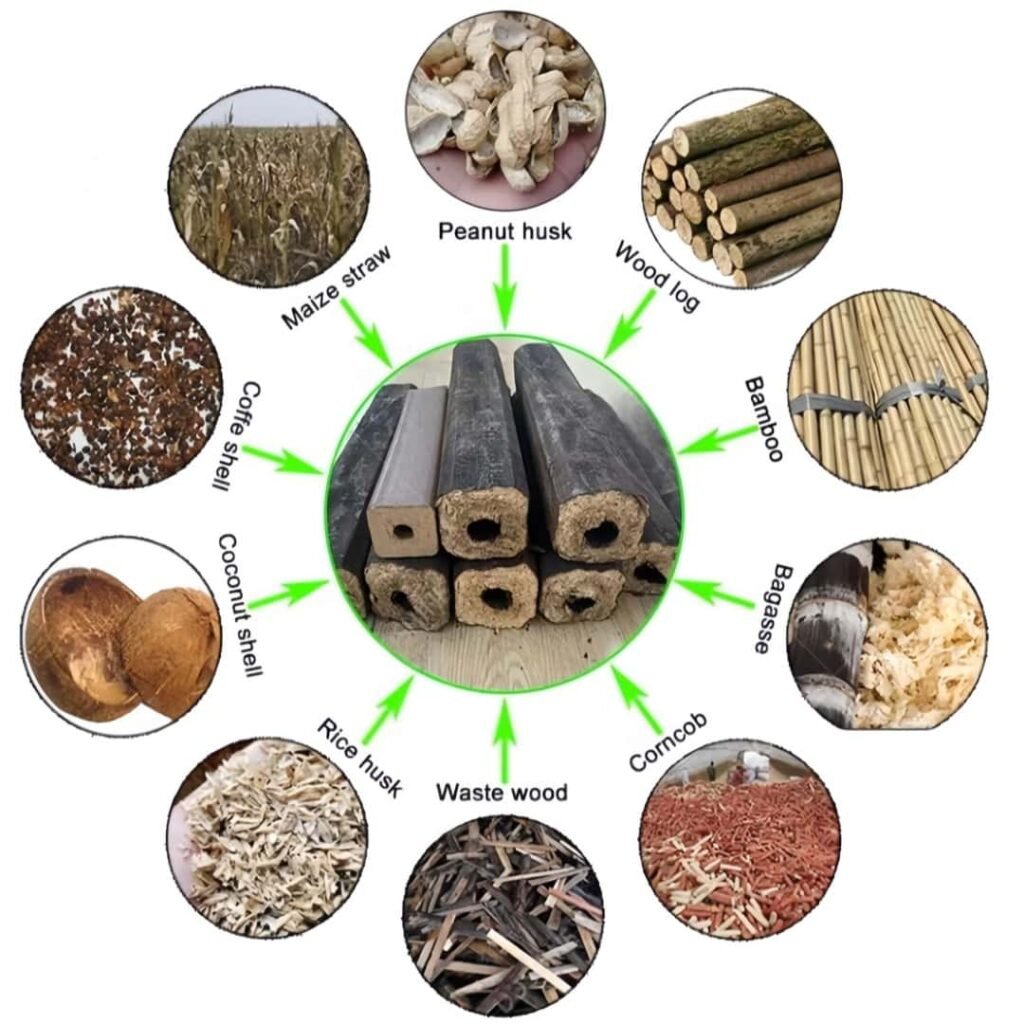
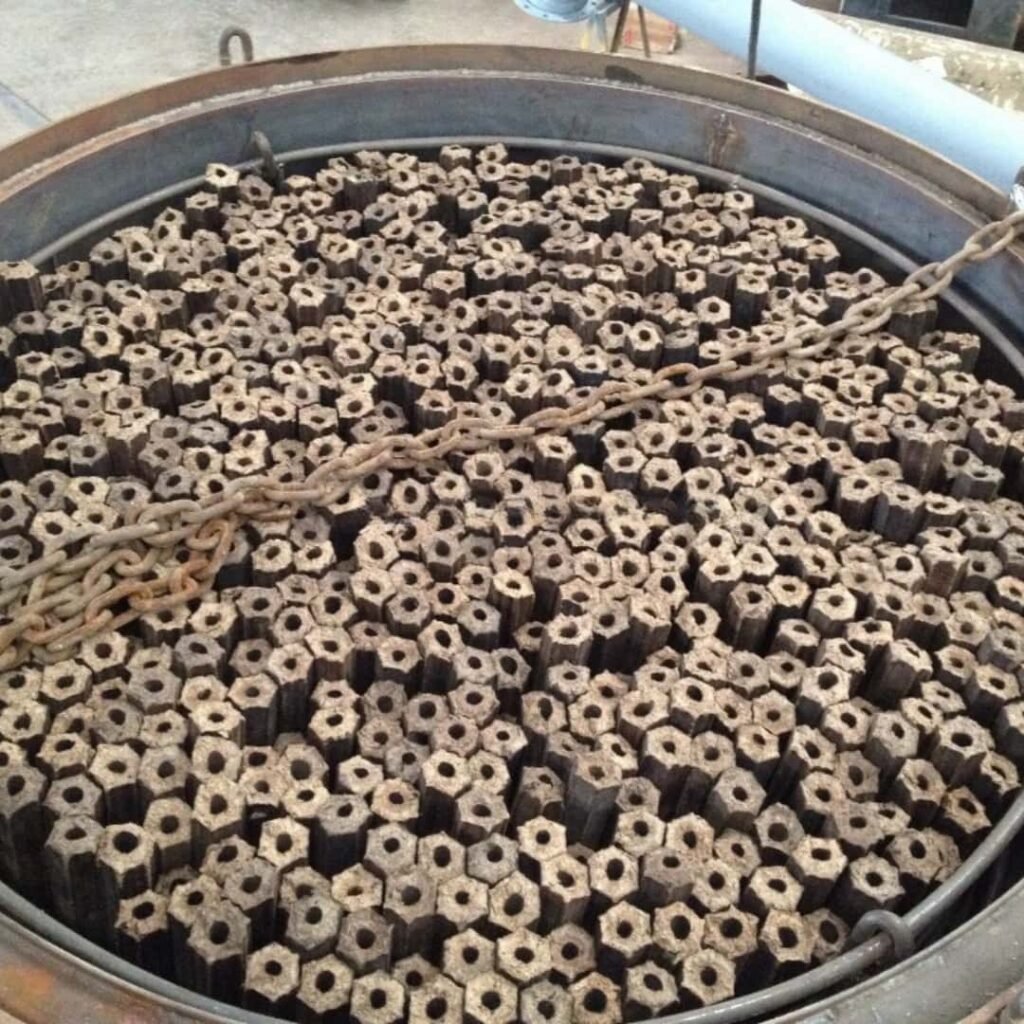
The forming mechanism relies on the natural lignin bonding property of biomass. Inside the extrusion chamber, materials are subjected to synergistic high temperature and mechanical pressure. Lignin softens and acts as a natural binder, with no chemical adhesive added. The material is continuously extruded into dense cylindrical green rods with uniform diameter, smooth surface and stable internal structure. Well-formed green rods create ideal carbonization conditions: consistent heating inside the carbonization furnace, less breakage, higher finished charcoal rate and better calorific value.
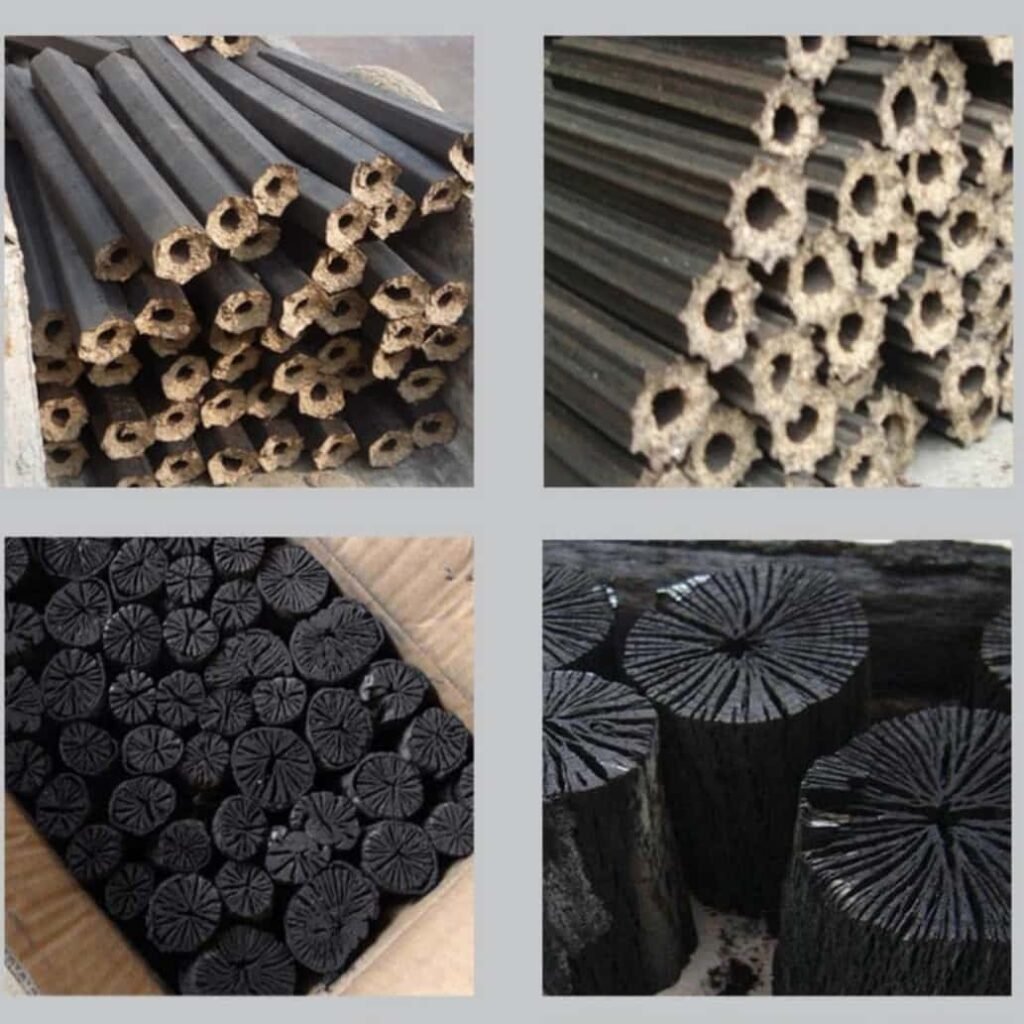
Our briquette extruder adopts integrated thickened casting body and wear-resistant alloy screw propeller. The screw is the core wearing part, and we optimize its structure and heat treatment process to extend service life and reduce replacement frequency. The whole machine runs with low vibration and stable torque, supporting continuous 24-hour industrial production. The control system is intuitive for operators. After standardized training, workers can adjust feeding speed and temperature according to different raw materials. Periodic maintenance is limited to screw inspection, lubrication of transmission parts and cleaning of the extrusion sleeve, which greatly lowers your recurring downtime and operational cost.
Important process note: The green biomass rods produced by this extruder are semi-finished products, not usable charcoal. Carbonization is the next decisive phase. The green rods will be transferred into a carbonization furnace under oxygen-limited environment for pyrolysis. This is where carbonization happens and raw rods turn into high-grade charcoal. We will introduce the carbonization furnace, its working principle and key carbonization parameters in tomorrow’s daily share.
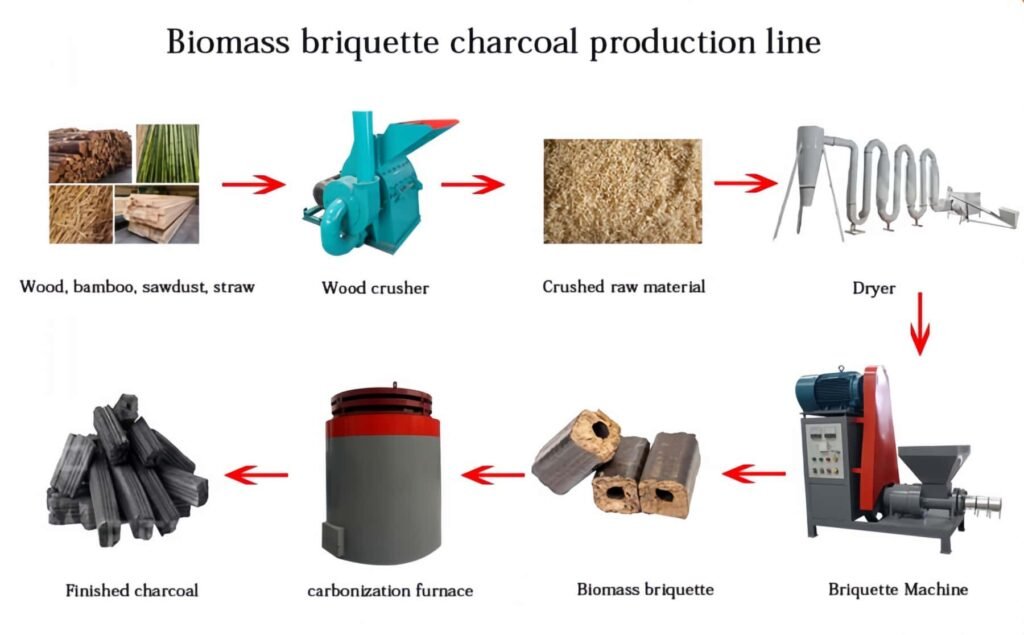
We provide a full spectrum of capacity models to match different project scales, from small workshop units to large commercial continuous production lines. We can configure the complete supporting system including biomass crusher, rotary dryer, briquette extruder and carbonization furnace according to your local raw material type, target output and site condition. Our technical team can offer customized layout design and operation guidance. If you are evaluating a charcoal production project, send us your raw material and capacity requirement to get a tailored quotation and technical proposal.