
Many new investors in biomass fuel production struggle to choose between flat‑die pellet mill and ring‑die pellet mill. Both machines compress sawdust, straw, rice husk and other agricultural‑forest waste into solid fuel pellets. However, they differ greatly in structure, output capacity, raw‑material compatibility, wearing parts and operating cost. This article gives you a full‑dimension comparison to help you make the right choice.
1. Difference in Structure & Working Principle
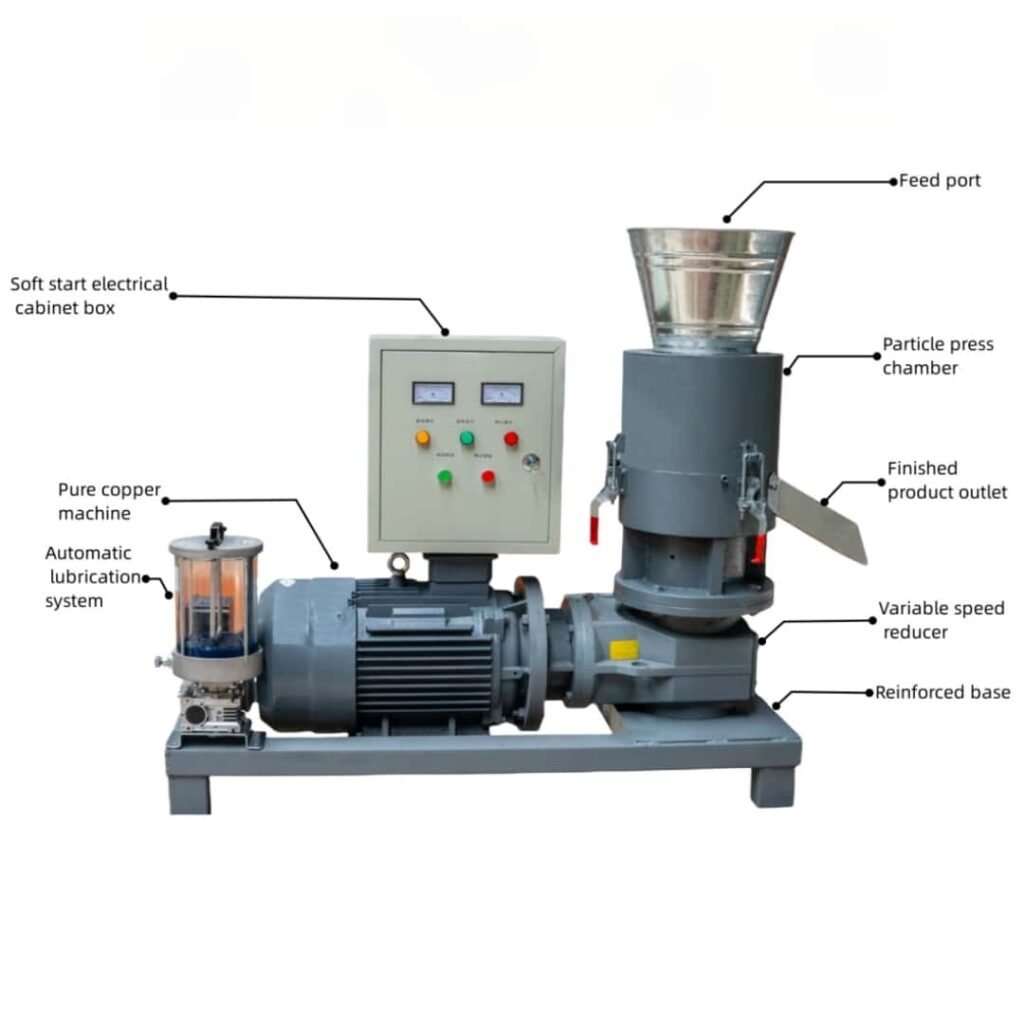
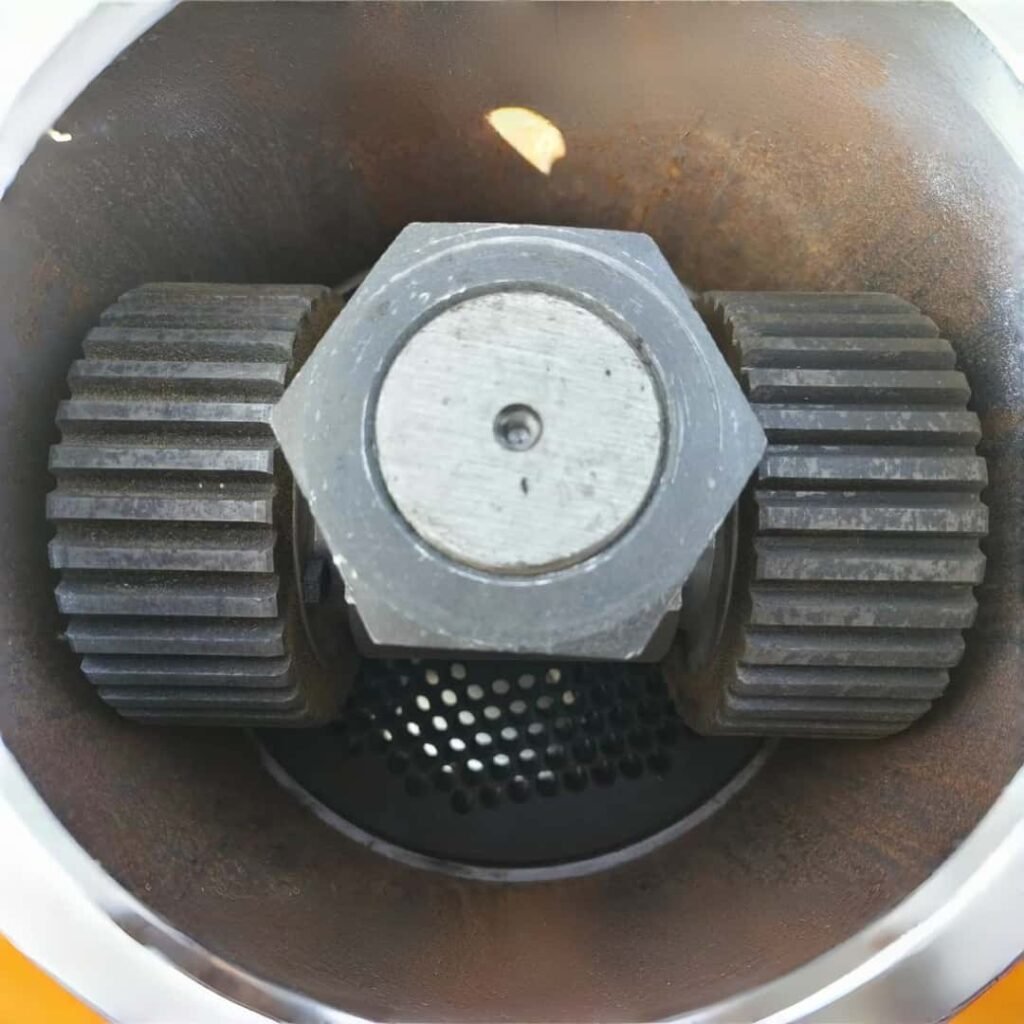
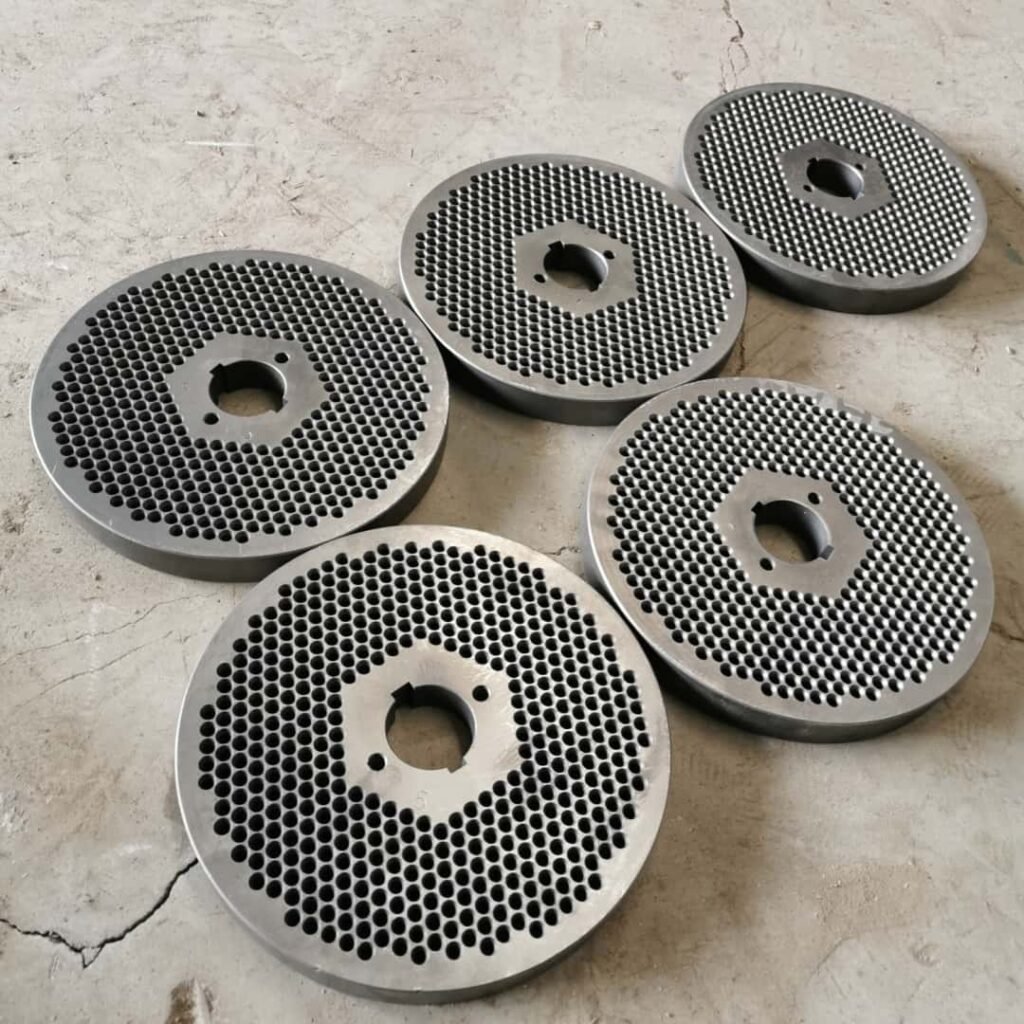
Flat‑die pellet mill Rollers rotate and press material against a stationary flat die plate. Raw materials fall onto die holes by gravity. Rollers squeeze materials through die holes to form pellets. It features compact size and simple mechanical structure.
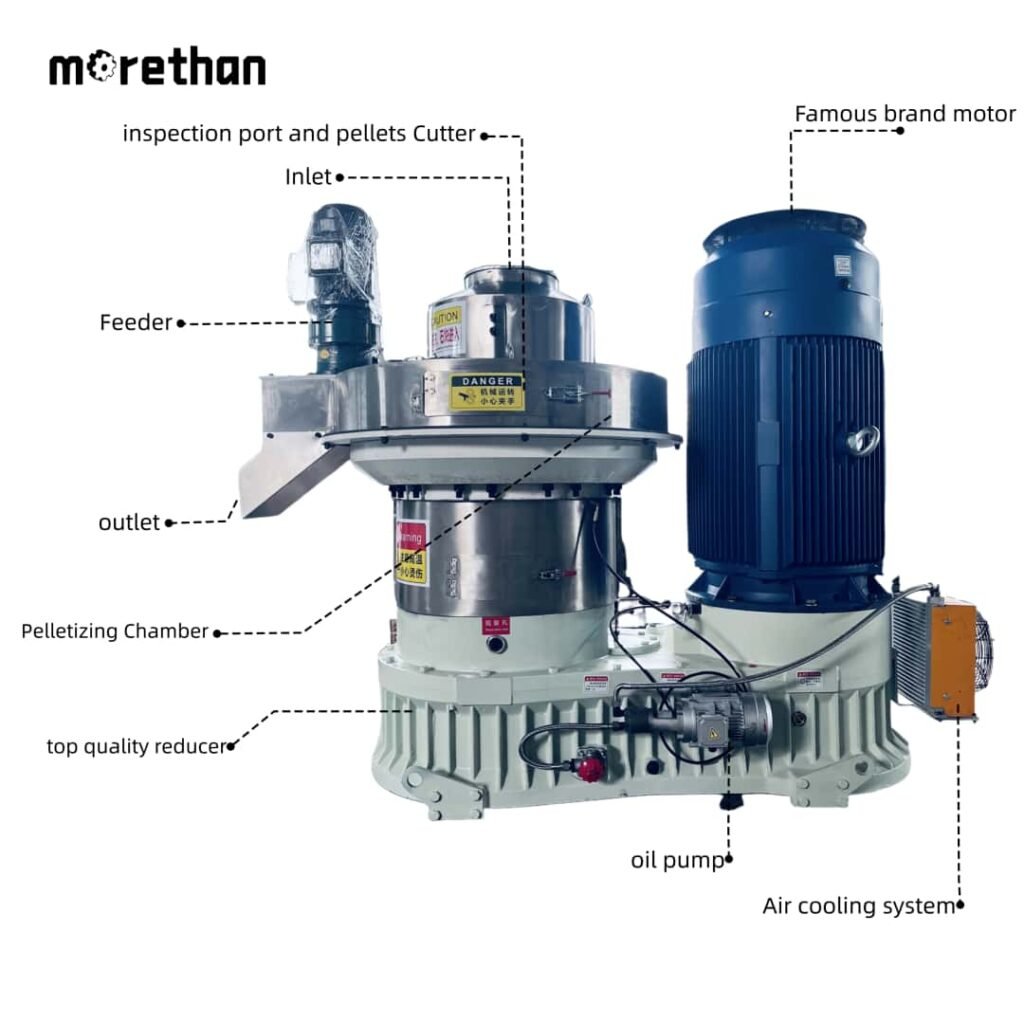
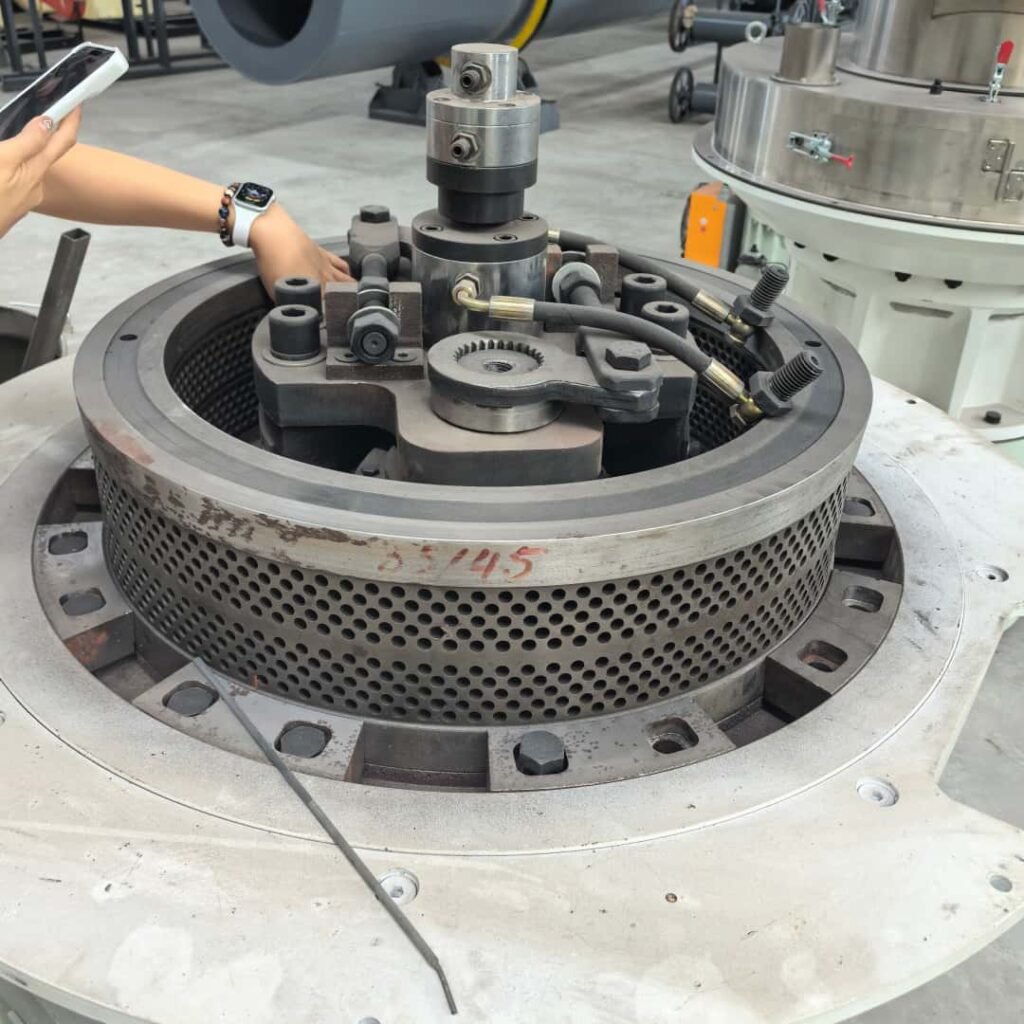
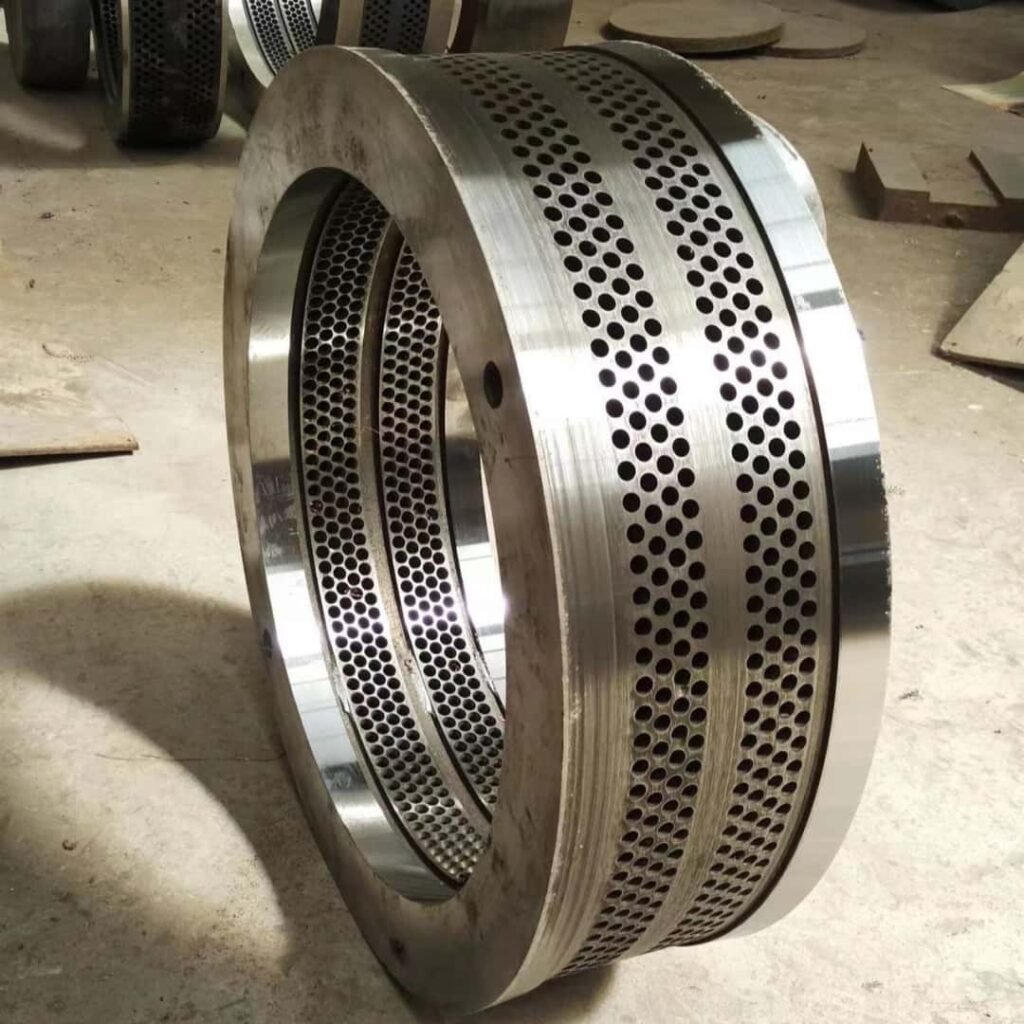
Ring‑die pellet mill The cylindrical ring die rotates while rollers run inside it. Raw materials are fed into the inner cavity. Centrifugal force plus roller pressure push materials outward through ring‑die holes to produce pellets. The whole machine has a larger overall dimension.
2. Production Capacity
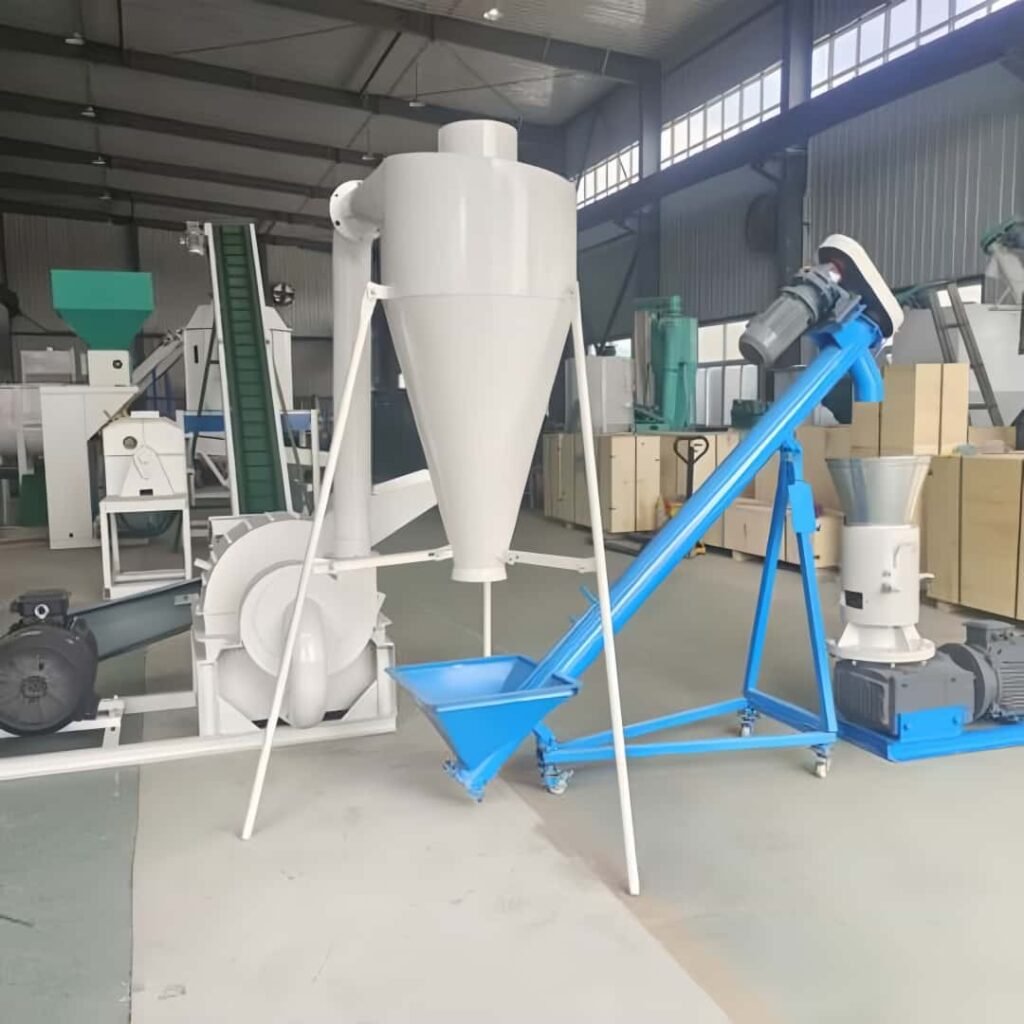
- Flat‑die pellet mill: Mostly small‑medium units. Single‑machine output ranges from 100 kg/h to 800 kg/h. Ideal for small workshops.
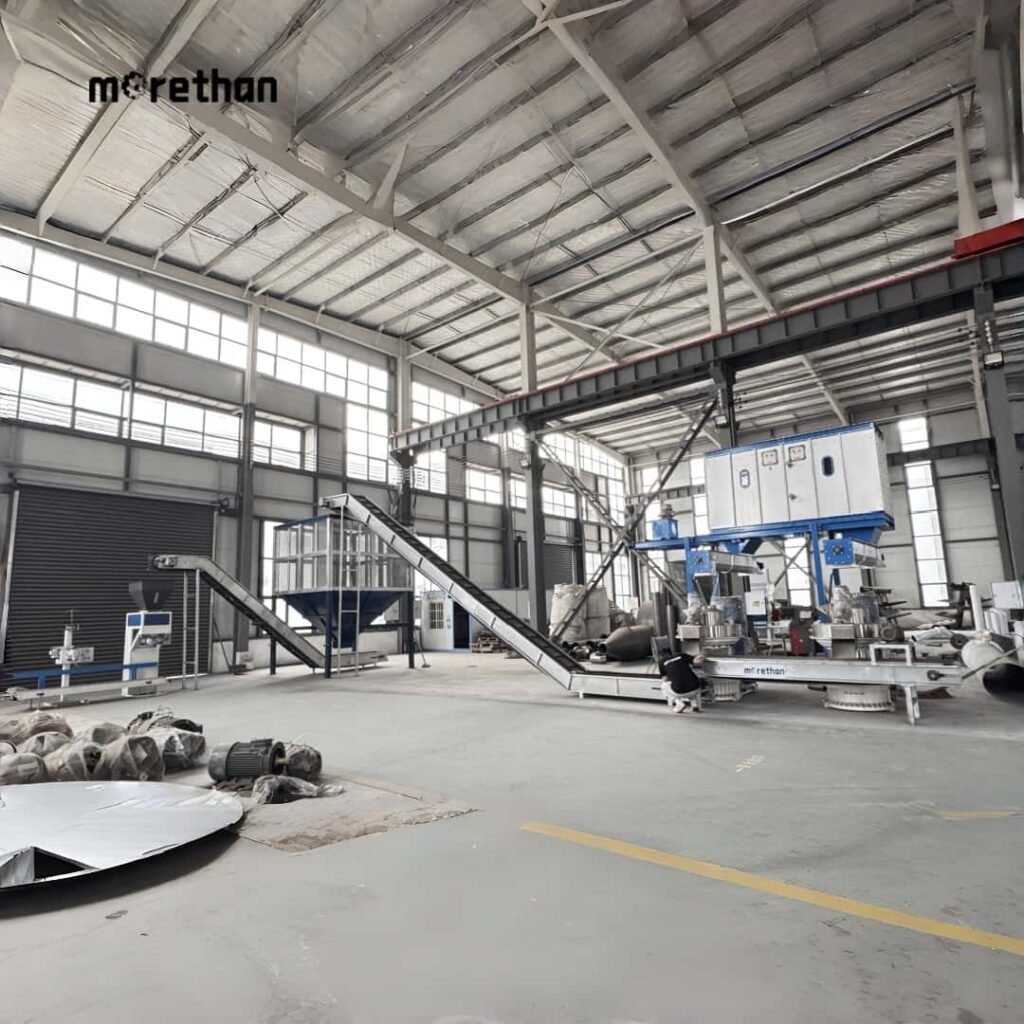
- Ring‑die pellet mill: Covers medium‑to‑large capacity. Output ranges from 800 kg/h up to 5000 kg/h or higher, designed for large‑scale production lines.
Summary: Choose ring‑die for mass continuous production; choose flat‑die for small‑volume processing.
3. Raw Material Compatibility
- Flat‑die pellet mill: Works best for well‑crushed feedstock such as fine sawdust and rice husk. Long‑fiber material must be fully shredded in advance.
- Ring‑die pellet mill: Broader material adaptability. It can process sawdust, rice husk, branches and bark. Higher tolerance for raw‑material pretreatment.
4. Wearing Parts & Maintenance
- Flat‑die pellet mill: Main consumables are flat die plate and pressure rollers. Spare parts are low‑cost and easy to replace by ordinary workers. Disadvantage: Die plate wears faster under long‑time continuous operation.
- Ring‑die pellet mill: Core wearing parts are ring die and pressure rollers. Spare parts cost higher and replacement procedure is more complex. Advantage: Lower wear per ton of pellets for non‑stop running.
5. Purchase & Operating Cost
- Initial investment: Flat‑die pellet mill costs less for similar capacity; ring‑die unit has higher purchase price.
- Power consumption: Ring‑die models show better power efficiency per ton of finished pellets. Flat‑die machines have lower startup cost for small‑batch jobs.
- Maintenance cost: Flat‑die is economical for intermittent small‑batch work. Ring‑die delivers lower comprehensive running cost under 24‑hour industrial continuous production.
6. Application Scenarios
✅Flat‑die pellet mill best for: • Family‑run workshops & small startup projects • Intermittent operation, no 24‑hour non‑stop running • Fine raw materials: sawdust, rice husk
✅Ring‑die pellet mill best for: • Industrial‑scale factories & complete pellet production lines • Long‑time 24‑hour continuous production • Mixed feedstock including bark, branches and various biomass residues
How to choose the right pellet mill quickly
- Pick flat‑die pellet mill: Small daily output, intermittent working hours, limited budget, fine shredded raw materials.
- Pick ring‑die pellet mill: Large‑volume mass production, long continuous running, mixed complex raw materials.
If you are confused about model selection, tell us your target output, raw‑material type and daily working hours, we will recommend suitable equipment for you.